Why it works: Sugar and ginger are a kitchen classic. They rank in the top 17% of all ingredient pairs, and cooks put them together in 14,054 recipes. Both carry 1-penten-3-one, which smells fish, pungent. The science ↓
To Prepare Ginger Beer Powders
Ingredients
Directions
Prepare the powders
In a mortar, mix the sugar, ginger, and carbonate of potash until well combined.
Keep the citric or tartaric acid separate from the mixture.
Make the drink
In two glasses, fill each halfway with water.
Stir the compound powder into one glass and the acid powder into the other.
Mix the two liquids together; an effervescence will occur.
Drink the ginger beer immediately.
Transcribed from a scanned cookbook and modernised for today's kitchens. Where the book gave no heat or time, or said "a moderate oven", the temperatures and times here may be modern equivalents rather than the book's own figures.
Explore the science
The flavor team
The pairs that carry this dish. Each one is judged two ways: how much their aromas overlap, and how often cooks already put them together.
-
Sugar + gingertop 17% of all pairsSmell alikelowCooked together14,054 recipes
Shared aroma: 1-penten-3-one (fish, pungent).
Sugar and ginger barely smell alike, yet cooks put them together in 14,054 recipes: they work on texture and structure more than aroma.
Ranks compare each pair with 20,000 random ingredient pairs on CompKitchen. How we score pairs
What each ingredient does
- Carbonate of potash
- Reacts with the acid to release carbon dioxide, which makes the drink fizz.
- Citric acid or tartaric acid
- Provides the acid that reacts with the carbonate to create effervescence and a sharp tang.
- Fine loaf sugar
- Adds sweetness and dissolves readily, balancing the sharpness of the acid.
- Ginger
- Supplies the main aroma and spicy flavour of the drink.
The step that matters
Keep the acid separate from the powder mixture. Carbonate and acid react as soon as they meet in liquid, releasing carbon dioxide. If they mix while dry or too early, the fizz is lost before drinking, so the two components are combined only in the glasses just before serving.
“What each ingredient does” and “The step that matters” were written by Claude from this recipe’s own method and reviewed in samples by CompKitchen.
You might also like
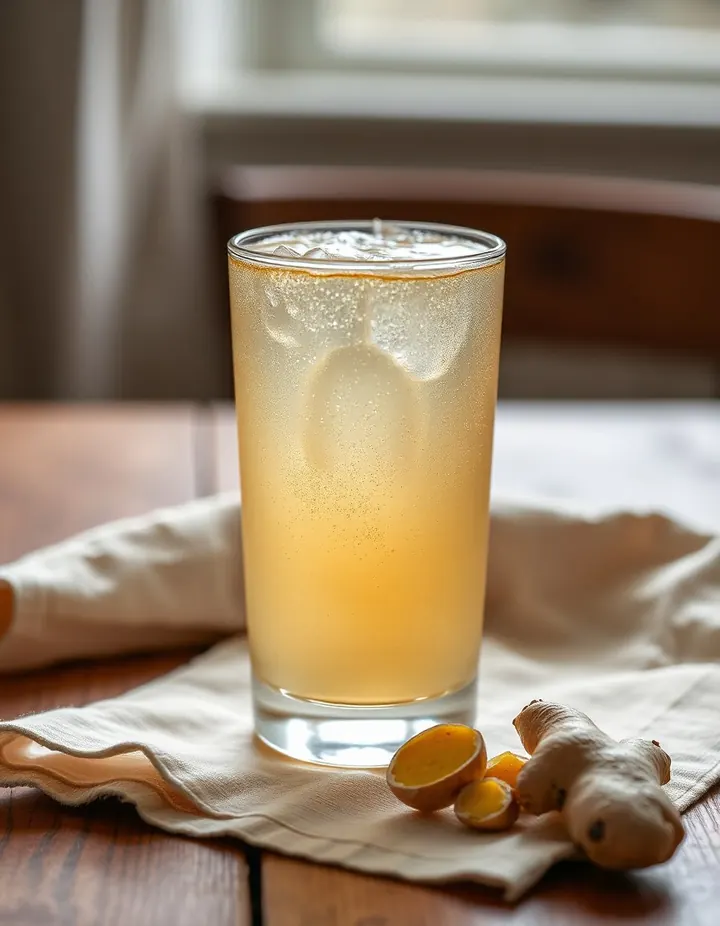 Ginger Pop22 recipes
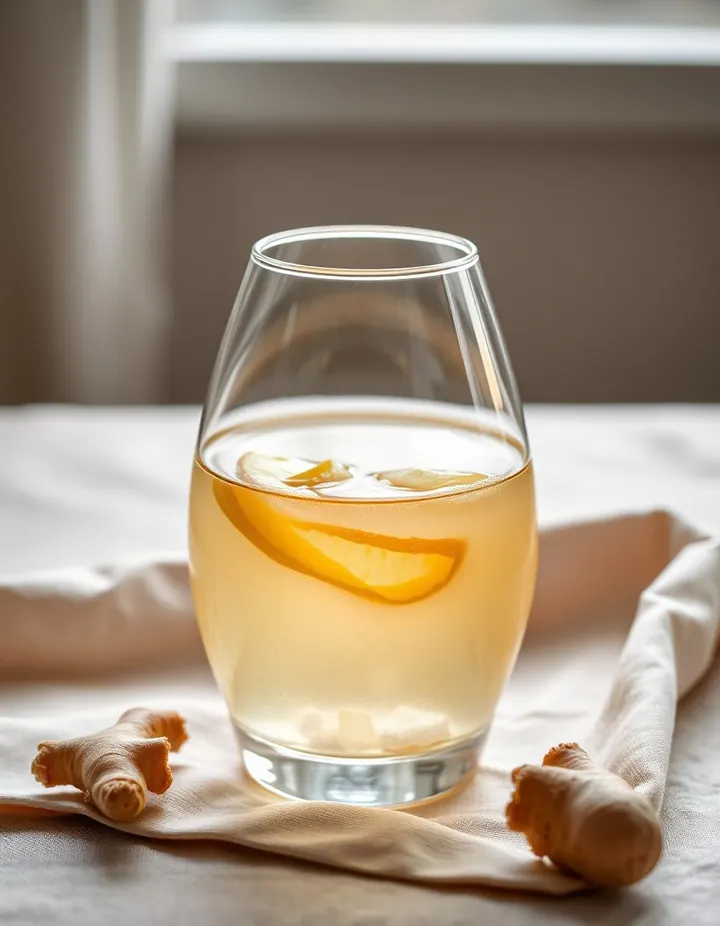 Ginger Wine12 recipes
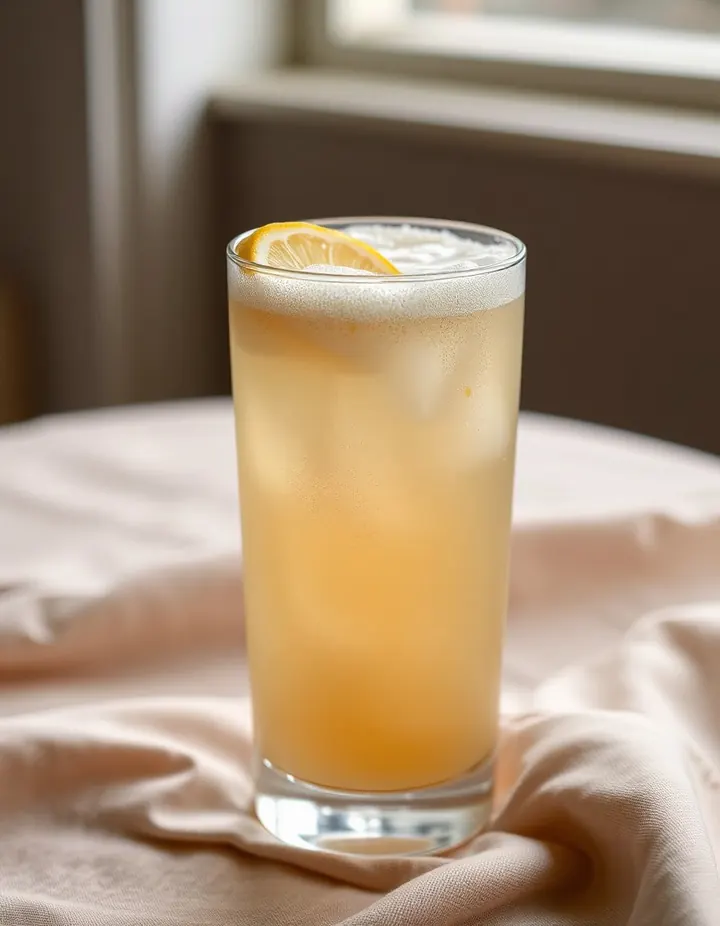 Ginger Beer11 recipes
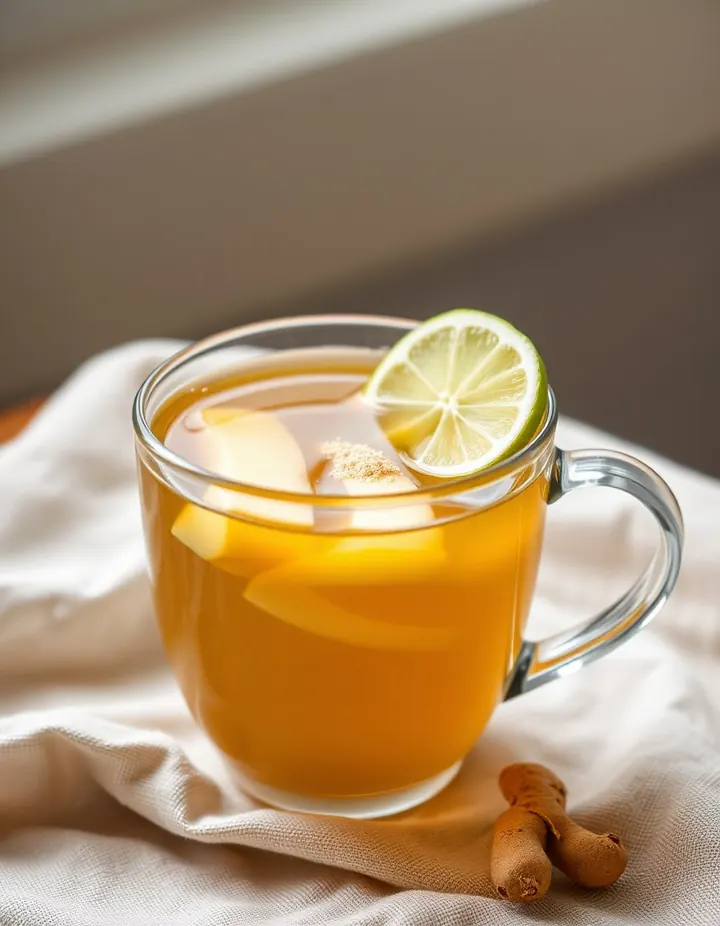 Ginger Tea9 recipes
The free Flavor Lab newsletter: one surprising pairing a week and the molecular reason it works, in 60 seconds. No spam, unsubscribe anytime.
Prefer an account? Create a free account to save pairings and unlock the full chemistry.