Why it works: Pepper and lemon match in chemistry and in kitchens. They rank in the top 3% of all ingredient pairs, and 27,047 recipes mention both. Both carry trans-2-nonenal, which smells cardboard, fatty. The science ↓
Pigeons in Jelly
Ingredients
Directions
The book says “a moderate oven”. The 350°F in the steps is the modern equivalent, not the book's own figure.
Prepare the pigeons
Pick, wash, and singe the pigeons, leaving heads and feet on.
Clean the pigeons well and clip the nails close to the claws.
Truss the pigeons, propping the heads up with skewers.
Season the inside of each pigeon with pepper and salt, and place a bit of butter inside each pigeon.
Bake and set
In a baking dish, combine veal stock, ham, mace, sweet herbs, white pepper, lemon peel, and the pigeons.
Bake in a moderate oven (350°F / 175°C) until done.
Remove from jelly and let cool, covering to preserve color.
Skim fat off the jelly when cold, then boil it with beaten egg whites to clarify.
Transcribed from a scanned cookbook and modernised for today's kitchens. Where the book gave no heat or time, or said "a moderate oven", the temperatures and times here may be modern equivalents rather than the book's own figures.
Explore the science
The flavor team
The pairs that carry this dish. Each one is judged two ways: how much aroma chemistry they share, and how many recipes mention both.
-
Pepper + lemontop 3% of all pairsAroma overlapstrongMentioned together27,047 recipes
Shared aroma: trans-2-nonenal (cardboard, fatty).
-
Mace + white peppertop 9% of all pairsAroma overlapmoderateMentioned together1,695 recipes
Shared aroma: myrcene (balsamic, herbaceous).
-
Veal + hamtop 15% of all pairsAroma overlaplowMentioned together3,264 recipes
Shared aroma: 2,4-decadienal (seaweed).
-
Pepper + macetop 16% of all pairsAroma overlaplowMentioned together12,257 recipes
Shared aroma: myristicin (spice, warm).
-
Butter + lemontop 16% of all pairsAroma overlapmoderateMentioned together41,227 recipes
Shared aroma: 3-hexenal (apple, fruity).
Pepper and mace share little aroma chemistry, yet 12,257 recipes mention both: they likely work on texture and structure more than aroma.
Ranks compare each pair with 20,000 random ingredient pairs on CompKitchen. How we score pairs
What each ingredient does
- Pigeons
- Provide the main meat, which is cooked whole and trussed to hold its shape.
- Veal stock
- Forms the jelly that sets around the birds, giving the aspic its body.
- Egg whites
- Bind to impurities in the jelly when boiled, clarifying it to a clear result.
- Butter
- Adds richness and moisture to the inside of the birds as they bake.
The step that matters
Clarifying the jelly with egg whites. Egg whites coagulate and trap cloudy particles as the jelly boils, so it must be boiled gently and then strained; hard boiling or skipping the skim leaves it murky.
Flavor stand-ins for the mace
How well each one fits the dish's main ingredients (pepper, butter, veal, ham, white pepper, lemon, egg):
- Parsleybetter flavor fit
- Tarragonbetter flavor fit
- Marjorambetter flavor fit
- Macethe original
Fit is the average pairing score against pepper, butter, veal, ham, white pepper, lemon, egg. Candidates are from the same food group and used in at least 100 recipes. This compares flavor only: it does not check the job the ingredient does in the dish (bulk, moisture, acidity, structure).
“What each ingredient does” and “The step that matters” were written by Claude from this recipe’s own method and reviewed in samples by CompKitchen.
You might also like
 Lemon Sauce236 recipes
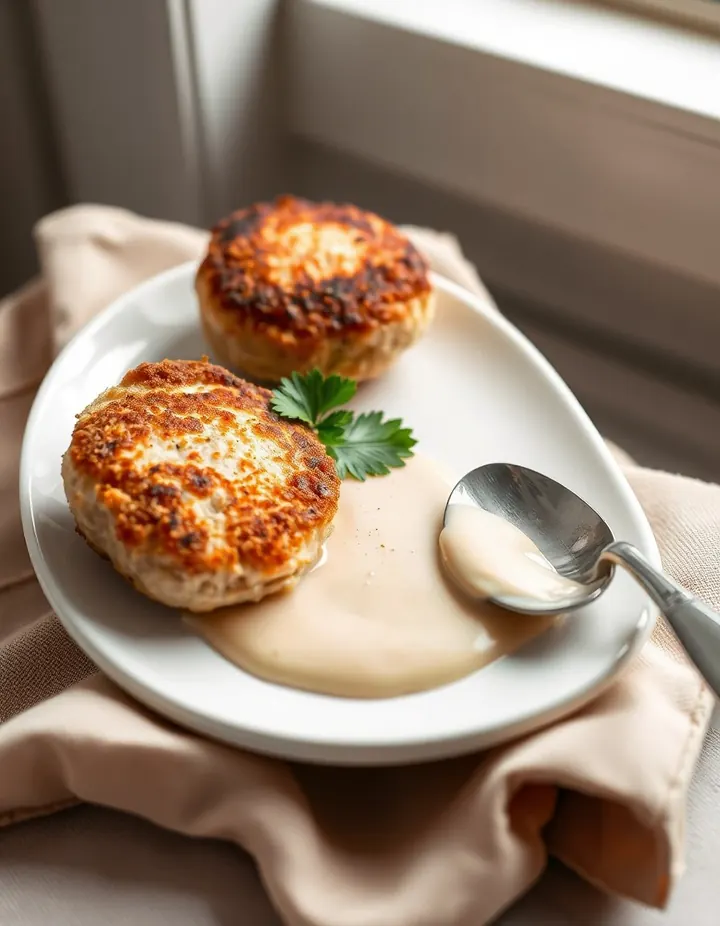 Veal Patties50 recipes
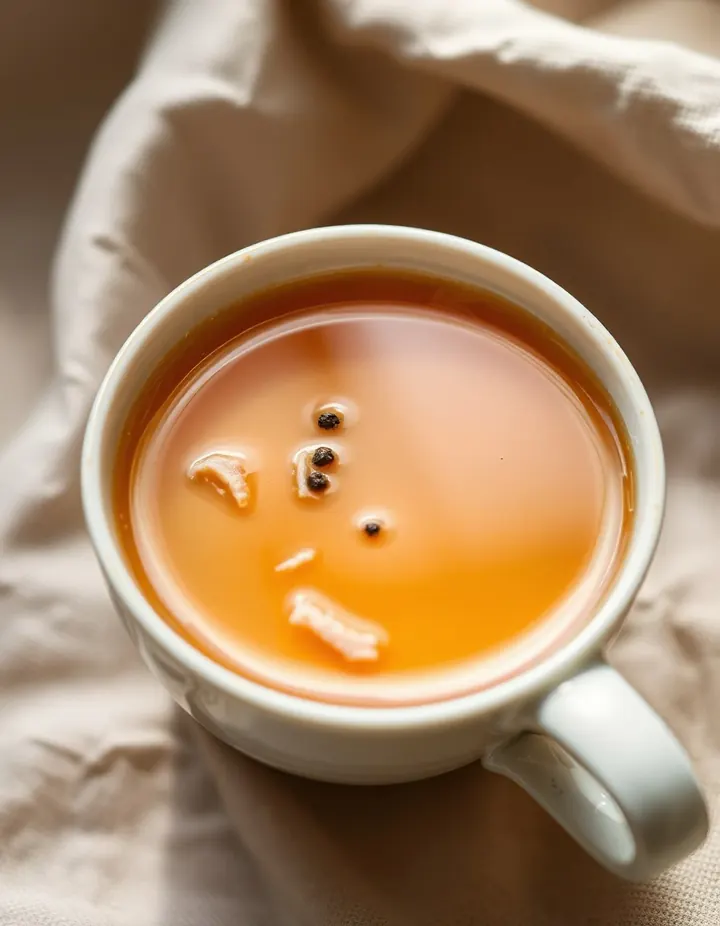 Beef, Mutton, or Veal Broth6 recipes
 Tomato Soup526 recipes
The Sunday pairing: one pairing, the chemistry behind it, and how to cook it. No spam, unsubscribe anytime.
Prefer an account? Create a free account for sign-in; Pro adds the full results and chemistry.