Why it works: Buttermilk and sugar match in chemistry and in kitchens. They rank in the top 9% of all ingredient pairs, and cooks put them together in 2,973 recipes. Both carry ethanol, which smells alcoholic, ethereal. The science ↓
English Home-made Koumiss
Ingredients
Directions
Prepare
Mix buttermilk, fresh milk, and powdered sugar in a large bowl.
Stir until the sugar is dissolved.
Ferment and bottle
Cover the mixture with a cloth and place it near a warm fire for 12 hours.
After 12 hours, bottle the mixture and tie the corks securely.
Store the bottles lying down to manage the fermentation.
Transcribed from a scanned cookbook and modernised for today's kitchens. Where the book gave no heat or time, or said "a moderate oven", the temperatures and times here may be modern equivalents rather than the book's own figures.
Explore the science
The flavor team
The pairs that carry this dish. Each one is judged two ways: how much their aromas overlap, and how often cooks already put them together.
-
Buttermilk + sugartop 9% of all pairsSmell alikestrongCooked together2,973 recipes
Shared aroma: ethanol (alcoholic, ethereal).
-
Milk + sugartop 18% of all pairsSmell alikelowCooked together77,875 recipes
Shared aroma: 2-nonenal (fatty, green).
-
Buttermilk + milktop 41% of all pairsSmell alikelowCooked together9 recipes
Shared aroma: 1-octen-3-ol (mushroom, earthy).
Milk and sugar barely smell alike, yet cooks put them together in 77,875 recipes: they work on texture and structure more than aroma.
Ranks compare each pair with 20,000 random ingredient pairs on CompKitchen. How we score pairs
What each ingredient does
- Buttermilk
- Supplies lactic acid bacteria that start the fermentation and give a tangy flavour.
- Fresh milk
- Provides the liquid and proteins that thicken and sour as the culture works.
- Powdered sugar
- Feeds the fermenting bacteria and adds a touch of sweetness.
The step that matters
Storing the bottles lying down. Fermentation keeps producing gas in sealed bottles. Lying the bottles down keeps the corks moist and sealed, and the pressure is managed as the mixture carbonates. Stored upright, dry corks can loosen and let the gas escape or the bottle burst.
“What each ingredient does” and “The step that matters” were written by Claude from this recipe’s own method and reviewed in samples by CompKitchen.
You might also like
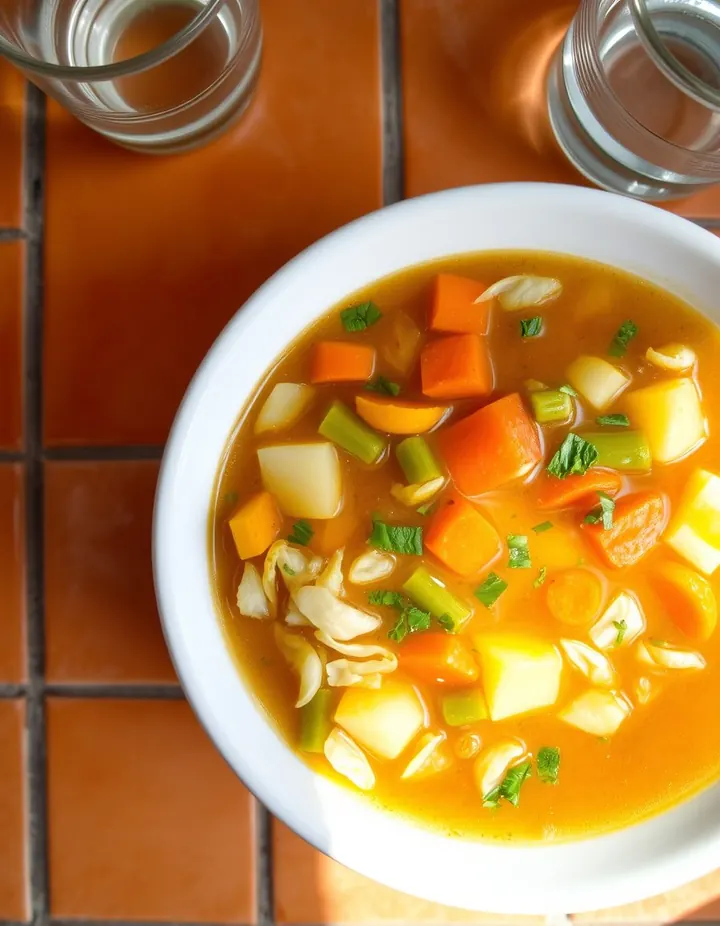 Vegetable Soup350 recipes
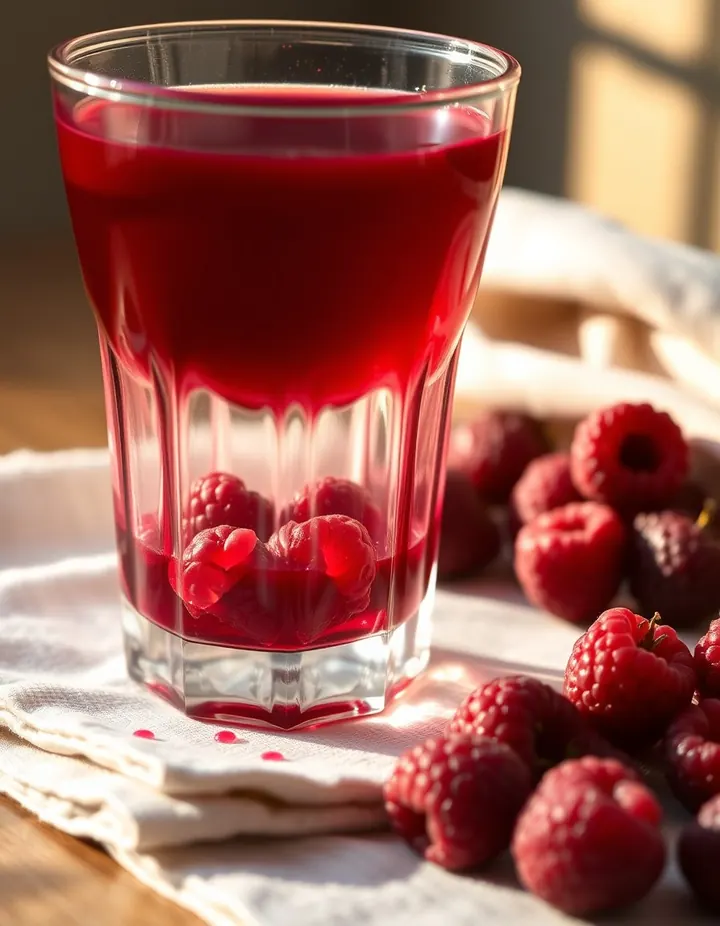 Raspberry Vinegar214 recipes
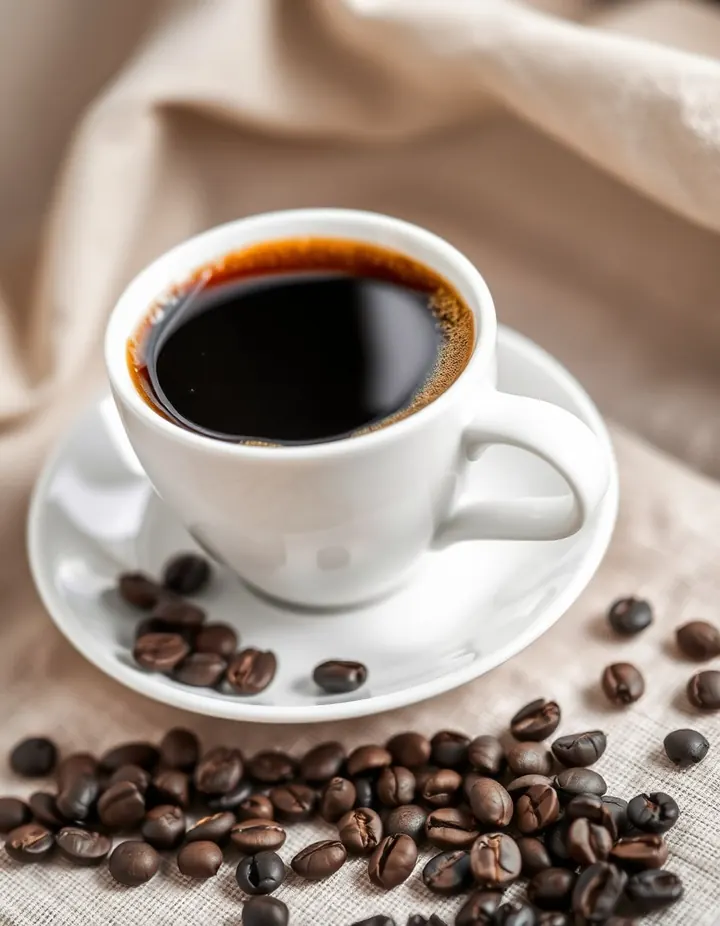 Brown Coffee with Egg175 recipes
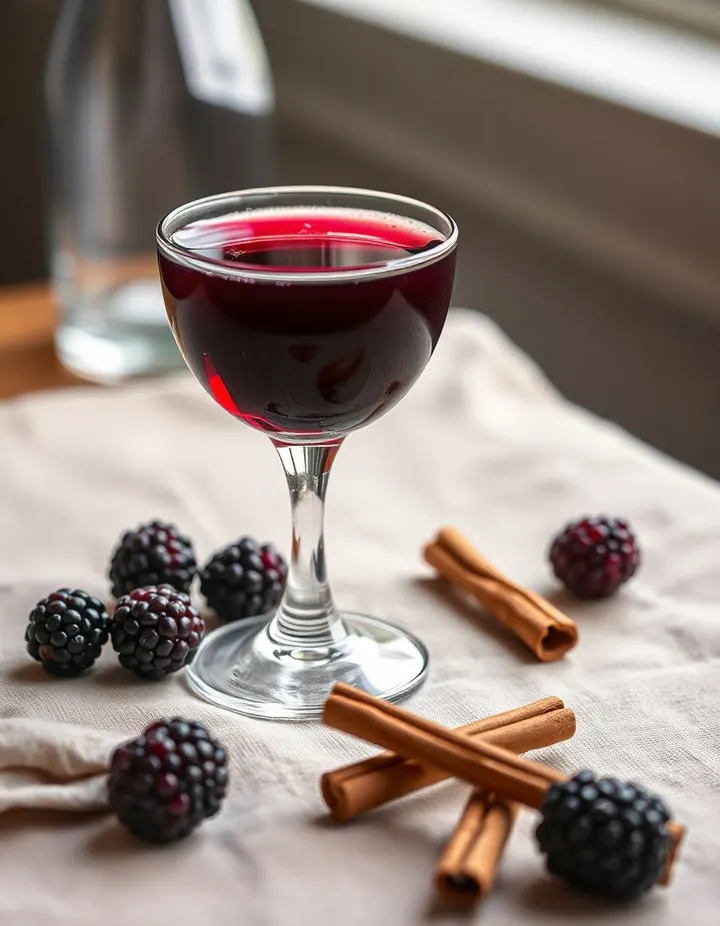 Blackberry Cordial129 recipes
The free Flavor Lab newsletter: one surprising pairing a week and the molecular reason it works, in 60 seconds. No spam, unsubscribe anytime.
Prefer an account? Create a free account to save pairings and unlock the full chemistry.