
Photo: K8
Italian Gravy
16 ingredients
45 min + 5 hr
12 servings
openrecipes
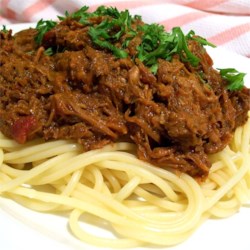
"This recipe is a homemade spaghetti meat sauce that has been passed down to 4 generations of Sicilians. The recipe has been altered by each person to fit personal preference and taste. Fresh tomatoes can be put in the place of the puree but not recommended, due to the high acidity of the fresh tomatoes."
Estimated Nutrition (whole recipe, rough)
525
Calories
30g
Protein
28g
Fat
34g
Carbs
Counts 13 of 14 ingredients — the other 1 aren't in our nutrition table and contribute nothing above, so the real totals are higher.
What these numbers assume — 13 portions →
| Ingredient | Portion assumed | kcal |
|---|---|---|
| Pork | 100g cooked | 242 |
| Olive Oil | 1 tbsp (14g) | 119 |
| Sugar | 1 tbsp (12.5g) granulated | 49 |
| Onion | 1 medium (110g) | 44 |
| Wine | 2 tbsp cooking wine (30ml) | 25 |
| Tomato | 1 medium (123g) | 22 |
| Black Pepper | 1 tsp ground (2.3g) | 6 |
| Oregano | 1 tsp dried (1.8g) | 5 |
| Garlic | 1 clove (3g) | 4 |
| Thyme | 1 tsp dried (1.4g) | 4 |
| Rosemary | 1 tsp dried (1.2g) | 4 |
| Parsley | 1 tbsp chopped fresh (3.8g) | 1 |
| Salt | 1 tsp (6g) | 0 |
| Water | not in our table | 0 |
Totals for the whole recipe, adding one typical portion per ingredient — listed above. Quantities in the recipe are not counted, so this is a rough guide only — not suitable for medical or dietary planning.
Ingredients
- 2 tablespoons extra virgin olive oil
- 1 large yellow onion, diced
- 1 clove garlic, minced
- 4 pounds pork shoulder roast
- 1/2 cup white wine
- 3 cups water
- 2 teaspoons dried oregano
- 2 teaspoons dried parsley
- 1 teaspoon dried thyme
- 1 teaspoon dried rosemary
- 3 tablespoons garlic powder
- 1 teaspoon salt
- 1 teaspoon black pepper
- 2 (28 ounce) cans tomato puree
- 6 cups water
- 1/4 cup white sugar
Directions
Step-by-step directions aren't available for this recipe in our database.
View the full recipe at the original source →
By allrecipes ·
Recipe sourced from
openrecipes