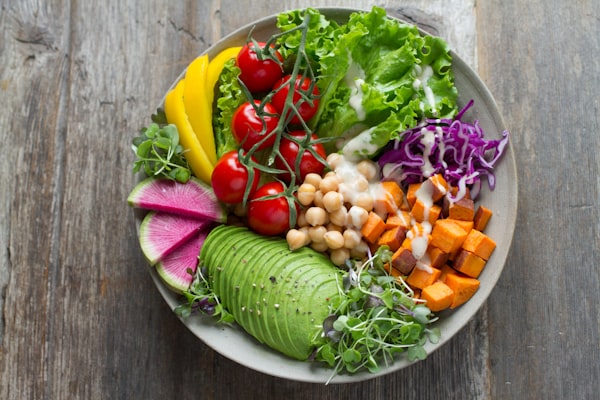
Beet, Orange and Fennel Salad

The combination of beet, orange and fennel is perfect for a wintertime brunch. Any type of beet can be used, but keep in mind that red beets can color your fingers. To avoid stains, wear rubber gloves when peeling them. Chioggia beets, with their concentric red and white rings, bleed only slightly, and golden beets not at all. The flavors are quite similar, with golden beets slightly milder than the other two varieties.
Estimated Nutrition (whole recipe, rough)
Counts 10 of 11 ingredients — the other 1 aren't in our nutrition table and contribute nothing above, so the real totals are higher.
What these numbers assume — 10 portions →
| Ingredient | Portion assumed | kcal |
|---|---|---|
| Olive Oil | 1 tbsp (14g) | 119 |
| Cheese | 1 oz (28g) cheddar | 113 |
| Orange | 1 medium (131g) | 62 |
| Beet | 1/2 cup (85g) | 35 |
| Fennel Bulb | 1/2 bulb (87g) | 27 |
| Almond | 1 almond (1.2g) | 7 |
| Black Pepper | 1 tsp ground (2.3g) | 6 |
| Lettuce | 1 cup shredded (36g) | 5 |
| Vinegar | 1 tbsp (15ml) distilled | 3 |
| Salt | 1 tsp (6g) | 0 |
| Leaf | not in our table | 0 |
Totals for the whole recipe, adding one typical portion per ingredient — listed above. Quantities in the recipe are not counted, so this is a rough guide only — not suitable for medical or dietary planning.
Ingredients
- 4 red or golden beets, about 1/2 lb. total
- 2 tsp. olive oil
- 2 oranges
- 1 fennel bulb
- 2 Tbs. orange-infused olive oil
- 1 tsp. red wine vinegar
- 1 tsp. balsamic vinegar
- 1/2 tsp. salt
- 1/4 tsp. freshly ground pepper
- 8 to 12 red leaf or other delicate lettuce leaves
- 1/2 cup grated pecorino cheese
- 1/4 cup slivered almonds, toasted