Why it works: Bread and olive are a kitchen classic. They rank in the top 9% of all ingredient pairs, and cooks put them together in 1,091 recipes. Both carry 2-undecenal, which smells sweet. The science ↓
Lebanese Pita Bread
Ingredients
Directions
Make the dough
Measure 1 cup flour and stir in the dry ingredients in a large mixing bowl.
Add the oil and hot water.
Mix for about 30 seconds to blend, then beat vigorously with a wooden spoon for three minutes.
Stir in the remaining flour, 1/2 cup at a time.
If the dough is moist, add a small amount of flour.
Turn the dough onto a lightly floured work surface and knead with a push-turn-fold motion.
Knead for about 6 minutes.
Shape and rest
Divide the dough into eight pieces.
Roll each piece into a ball, cover with wax paper or a towel, and let rest for 20 minutes.
Flatten each ball into a disk with the palm of your hand.
Using a rolling pin, flatten the dough into a disk about 6 inches in diameter and 3/16-inch thick.
Place each round on a prepared piece of foil.
Bake and serve
Preheat oven to 500°F.
Carefully place 2 or 3 of the breads on their foil directly on an oven rack.
Bake for about 8 minutes, or until puffed.
Repeat with remaining disks.
Place the pitas under the broiler for 2 minutes if a browner crust is desired.
Remove the breads from the oven and wrap in a large piece of foil.
Serve warm, or let cool and freeze.
Thaw before using.
To reheat, stack several in a pile, wrap in foil, and place in a 375°F oven for 10 to 15 minutes.
Nutrition, whole recipe (rough)
Counts 4 of 5 ingredients. The other 1 aren't in our nutrition table and add nothing above, so the real totals are higher.
What these numbers assume: 4 portions
| Ingredient | Portion assumed | kcal |
|---|---|---|
| Flour | 1 cup (125g) all-purpose | 455 |
| Olive Oil | 1 tbsp (14g) | 119 |
| Sugar | 1 tbsp (12.5g) granulated | 49 |
| Salt | 1 tsp (6g) | 0 |
| Water | not in our table | 0 |
One typical portion per ingredient; the recipe's quantities are not counted. A rough guide only, not for medical or dietary planning.
Steps grouped into stages for easier reading; the method is the source's own.
Explore the science
The flavor team
The pairs that carry this dish. Each one is judged two ways: how much their aromas overlap, and how often cooks already put them together.
-
Bread + olivetop 9% of all pairsSmell alikemoderateCooked together1,091 recipes
Shared aroma: 2-undecenal (sweet).
-
Flour + sugartop 15% of all pairsSmell alikemoderateCooked together92,116 recipes
Shared aroma: phenylacetaldehyde (hawthorne, honey).
-
Flour + olivetop 19% of all pairsSmell alikemoderateCooked together16,871 recipes
Shared aroma: isobutyraldehyde (malty, green).
-
Bread + flourtop 25% of all pairsSmell alikelowCooked together10,383 recipes
Shared aroma: isobutyraldehyde (malty, green).
-
Bread + sugartop 32% of all pairsSmell alikelowCooked together8,638 recipes
Shared aroma: 2-nonenal (fatty, green).
Bread and flour barely smell alike, yet cooks put them together in 10,383 recipes: they work on texture and structure more than aroma.
Ranks compare each pair with 20,000 random ingredient pairs on CompKitchen. How we score pairs
What each ingredient does
- Bread flour
- Provides the gluten network that gives the pita its structure and chewy texture.
- Yeast
- Produces carbon dioxide as it ferments, leavening the dough so it puffs in the oven.
- Oil
- Adds fat that tenderizes the dough and keeps the crumb soft.
- Sugar
- Feeds the yeast and helps the crust brown slightly.
The step that matters
Baking at high heat until puffed. A very hot oven creates rapid steam and gas expansion inside the dough, which causes the pocket to form. A cooler oven bakes the bread flat and dry instead of puffed.
“What each ingredient does” and “The step that matters” were written by Claude from this recipe’s own method and reviewed in samples by CompKitchen.
You might also like
 Brown Bread461 recipes
 White Bread80 recipes
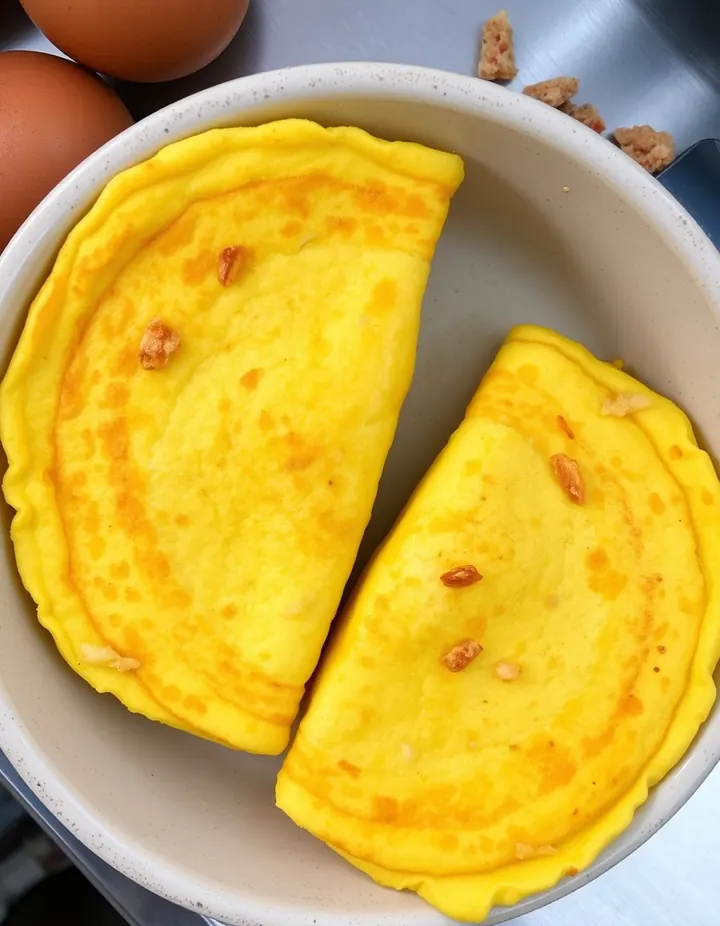 Bread Omelette60 recipes
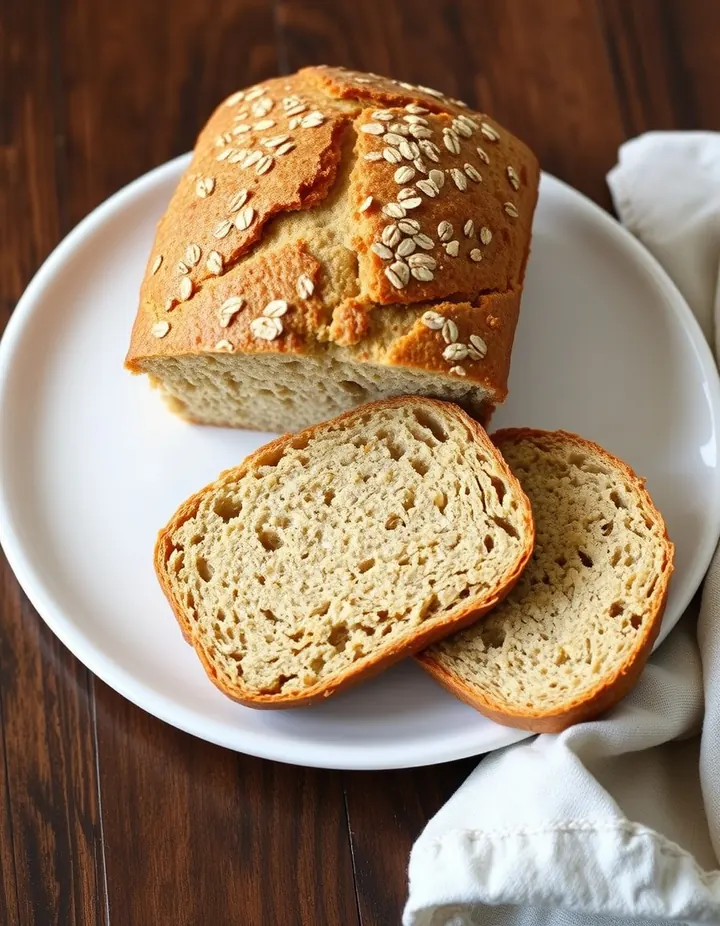 Oatmeal Bread51 recipes
The free Flavor Lab newsletter: one surprising pairing a week and the molecular reason it works, in 60 seconds. No spam, unsubscribe anytime.
Prefer an account? Create a free account to save pairings and unlock the full chemistry.