Why it works: Milk and vanilla are a kitchen classic. They rank in the top 5% of all ingredient pairs, and cooks put them together in 19,187 recipes. Both carry ethyl caproate, which smells fruity, apple peel. The science ↓
Steamed Pudding with Golden Syrup
Ingredients
Directions
Make the batter
Cream the butter and sugar.
Beat in the egg.
Fold in the flour alternately with milk and vanilla.
Assemble the pudding
Put the golden syrup in the bottom of a 4 cup pudding basin or ordinary ceramic basin.
Spoon the pudding mixture on to the top of the golden syrup.
Cover with a lid or pudding cap, or use greaseproof paper or aluminium foil fastened with string or a rubber band.
Steam and serve
Put the bowl in a large saucepan with about 10cm of water. The water should come halfway up the side of the pudding bowl.
Simmer gently for about 1½ hours.
Remove the water, let it rest for 5 minutes and then turn it out onto a dish.
Serve with cream or ice cream or, more traditionally, custard (hot in winter).
Nutrition, whole recipe (rough)
Counts 6 of 7 ingredients. The other 1 aren't in our nutrition table and add nothing above, so the real totals are higher.
What these numbers assume: 6 portions
| Ingredient | Portion assumed | kcal |
|---|---|---|
| Flour | 1 cup (125g) all-purpose | 455 |
| Milk | 1 cup (244ml) whole | 149 |
| Butter | 1 tbsp (14g) | 102 |
| Egg | 1 large egg (50g) | 78 |
| Sugar | 1 tbsp (12.5g) granulated | 49 |
| Vanilla | 1 tsp extract (4ml) | 12 |
| Syrup | not in our table | 0 |
One typical portion per ingredient; the recipe's quantities are not counted. A rough guide only, not for medical or dietary planning.
Steps grouped into stages for easier reading; the method is the source's own.
Explore the science
The flavor team
The pairs that carry this dish. Each one is judged two ways: how much their aromas overlap, and how often cooks already put them together.
-
Milk + vanillatop 5% of all pairsSmell alikemoderateCooked together19,187 recipes
Shared aroma: ethyl caproate (fruity, apple peel).
-
Sugar + syruptop 6% of all pairsSmell alikestrongCooked together5,842 recipes
Shared aroma: ethanol (alcoholic, ethereal).
-
Butter + milktop 7% of all pairsSmell alikemoderateCooked together81,283 recipes
Shared aroma: (z)-4-heptenal (biscuit, cream).
-
Sugar + vanillatop 8% of all pairsSmell alikelowCooked together35,032 recipes
Shared aroma: beta-damascenone (apple, rose).
-
Butter + flourtop 12% of all pairsSmell alikelowCooked together124,287 recipes
Shared aroma: isobutyraldehyde (malty, green).
Sugar and vanilla barely smell alike, yet cooks put them together in 35,032 recipes: they work on texture and structure more than aroma.
Ranks compare each pair with 20,000 random ingredient pairs on CompKitchen. How we score pairs
What each ingredient does
- Butter
- Creaming with sugar traps air and gives the batter a tender, rich crumb.
- Egg
- Binds the batter and adds structure as it sets during steaming.
- Self-raising flour
- Provides the main structure of the pudding as the batter sets.
- Golden syrup
- Forms a sweet, sticky layer that becomes the sauce when the pudding is turned out.
The step that matters
Keep the water level halfway up the basin. Gentle steam heat cooks the pudding evenly; too much water can seep into the basin and make it soggy, while too little lets the pudding dry out and the cooking stall.
“What each ingredient does” and “The step that matters” were written by Claude from this recipe’s own method and reviewed in samples by CompKitchen.
You might also like
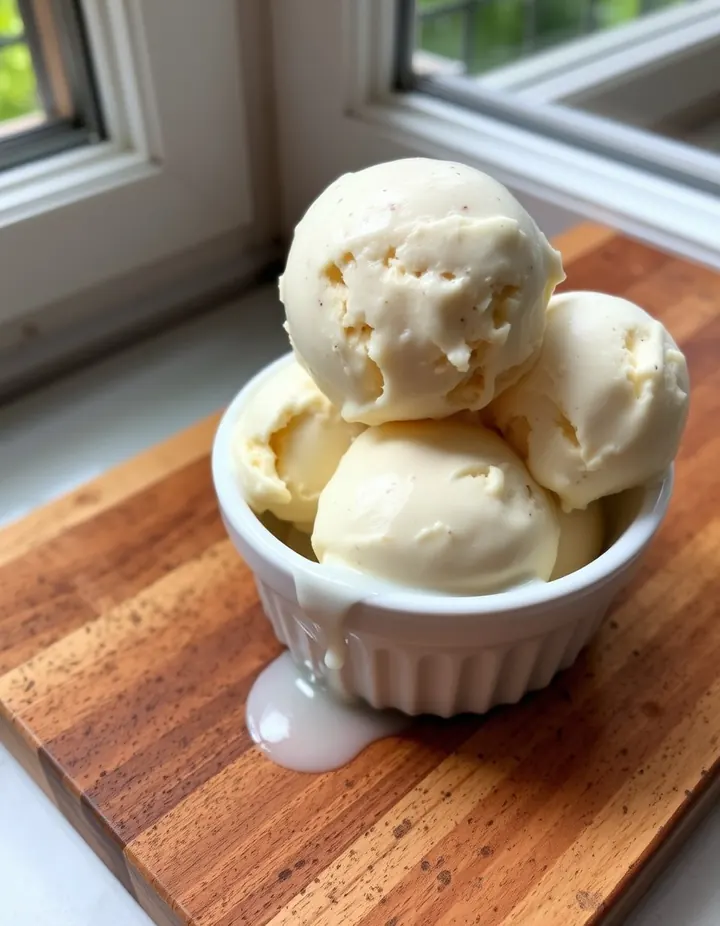 Vanilla Ice Cream108 recipes
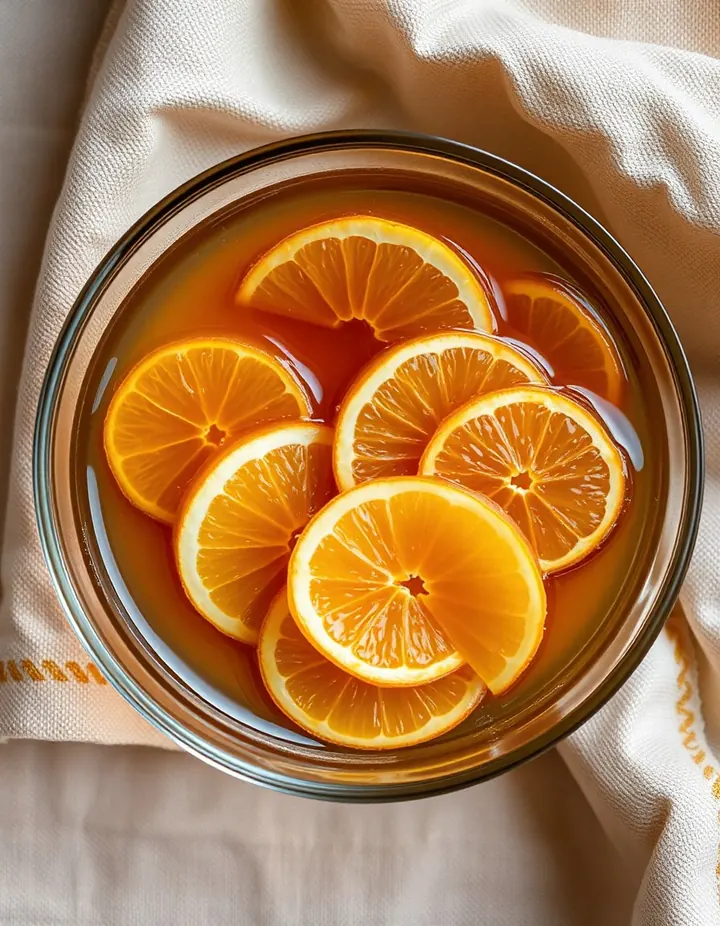 Oranges in Syrup9 recipes
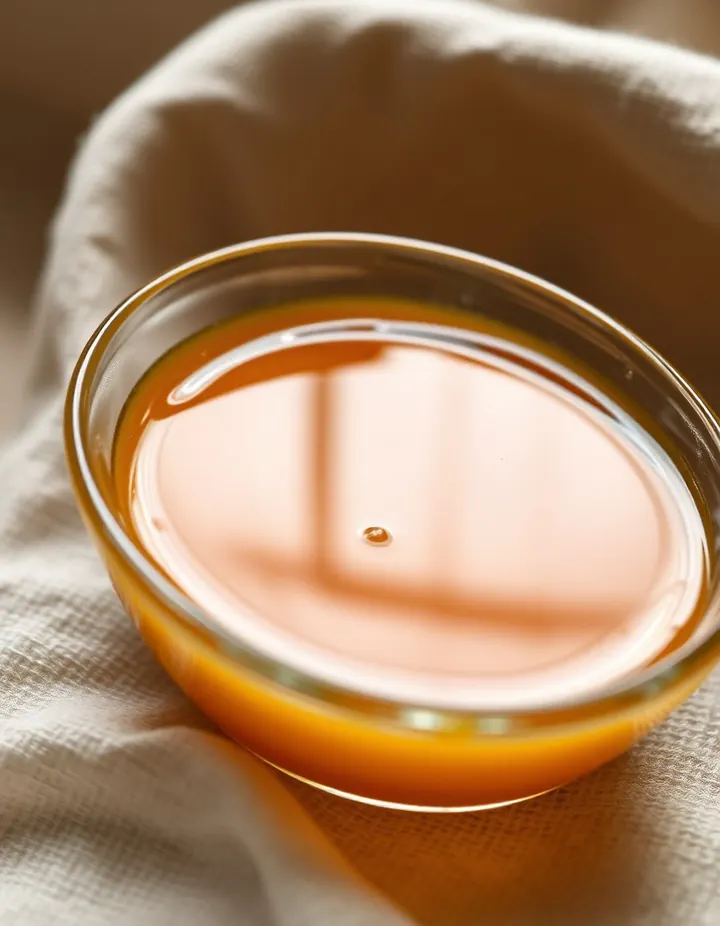 Syrup Sauce6 recipes
 White Cake431 recipes
The free Flavor Lab newsletter: one surprising pairing a week and the molecular reason it works, in 60 seconds. No spam, unsubscribe anytime.
Prefer an account? Create a free account to save pairings and unlock the full chemistry.