Why it works: Flour and wheat are a kitchen classic. They rank in the top 12% of all ingredient pairs, and cooks put them together in 4,373 recipes. Both carry isobutyraldehyde, which smells malty, green. The science ↓
Taftoon
Ingredients
Directions
Make the dough
Sift the flours into a large mixing bowl.
Dissolve the yeast in 1/4 cup of the warm water.
Add 1 1/2 cups of the remaining water and the salt.
Pour the yeast mixture into the center of the flour and gradually work it in.
Beat with your hands for 20-30 minutes. Alternatively, use a dough hook on an electric mixer and beat for 20 minutes.
Gradually add the remaining 3/4 cup water as the dough takes it.
Preheat the oven and griddle
Preheat the oven to high (around 450°F or more).
Place a griddle on the center shelf to preheat for 10-15 minutes.
When hot, lightly oil the griddle with a small cloth dipped in oil.
Shape and bake
Turn the dough out onto an oiled board.
Oil your hands and divide the dough into six parts, rolling each into a ball.
Roll out each ball as thinly as possible with an oiled rolling pin.
Prick all over with a fork or pinwheel, in 3-4 vertical lines across the surface.
Take the round of dough and stretch it a little across the backs of your hands.
Place the dough on the smooth side of a cushion or pad.
Pull the rack out where the heated griddle is on.
Turn the cushion over and press down onto it.
Close the oven and cook for 1 minute.
Pat down the dough to prevent the bread from puffing up.
Bake until the surface is bubbly (about 3 minutes).
Turn the bread over and cook for 2 minutes more.
Remove the bread from the oven and wrap it in a towel.
Allow the oven temperature to reheat before starting another batch.
Do not allow rolled dough to rest before baking; prepare just before putting it in the oven.
Nutrition, whole recipe (rough)
Counts 3 of 4 ingredients. The other 1 aren't in our nutrition table and add nothing above, so the real totals are higher.
What these numbers assume: 3 portions
| Ingredient | Portion assumed | kcal |
|---|---|---|
| Flour | 1 cup (125g) all-purpose | 455 |
| Olive Oil | 1 tbsp (14g) | 119 |
| Salt | 1 tsp (6g) | 0 |
| Water | not in our table | 0 |
One typical portion per ingredient; the recipe's quantities are not counted. A rough guide only, not for medical or dietary planning.
Steps grouped into stages for easier reading; the method is the source's own.
Explore the science
The flavor team
The pairs that carry this dish. Each one is judged two ways: how much their aromas overlap, and how often cooks already put them together.
-
Flour + wheattop 12% of all pairsSmell alikemoderateCooked together4,373 recipes
Shared aroma: isobutyraldehyde (malty, green).
Ranks compare each pair with 20,000 random ingredient pairs on CompKitchen. How we score pairs
What each ingredient does
- All-purpose flour
- Forms the gluten network that gives the dough its stretch and structure.
- Whole-wheat flour
- Adds bulk, a coarser texture and a nutty flavour to the dough.
- Active dry yeast
- Produces gas as it ferments, making the dough rise and become airy.
The step that matters
Bake the rolled dough right after shaping. Rolled dough that rests relaxes and can puff unevenly or lose its thin shape, so it should go into the hot oven straight away. Pressing it down helps control puffing.
“What each ingredient does” and “The step that matters” were written by Claude from this recipe’s own method and reviewed in samples by CompKitchen.
You might also like
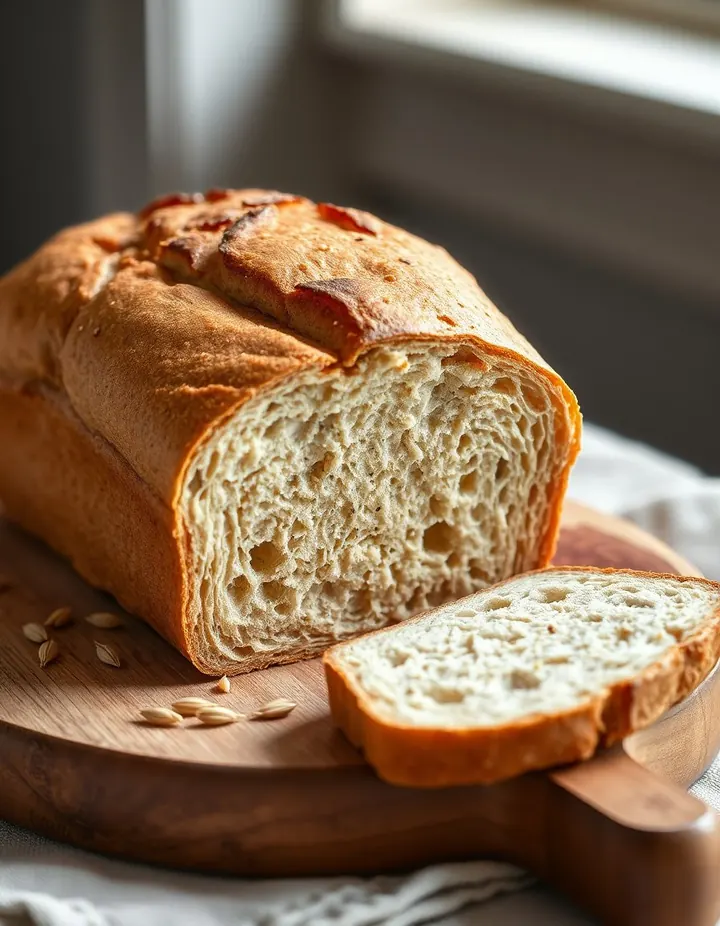 Wheat Bread65 recipes
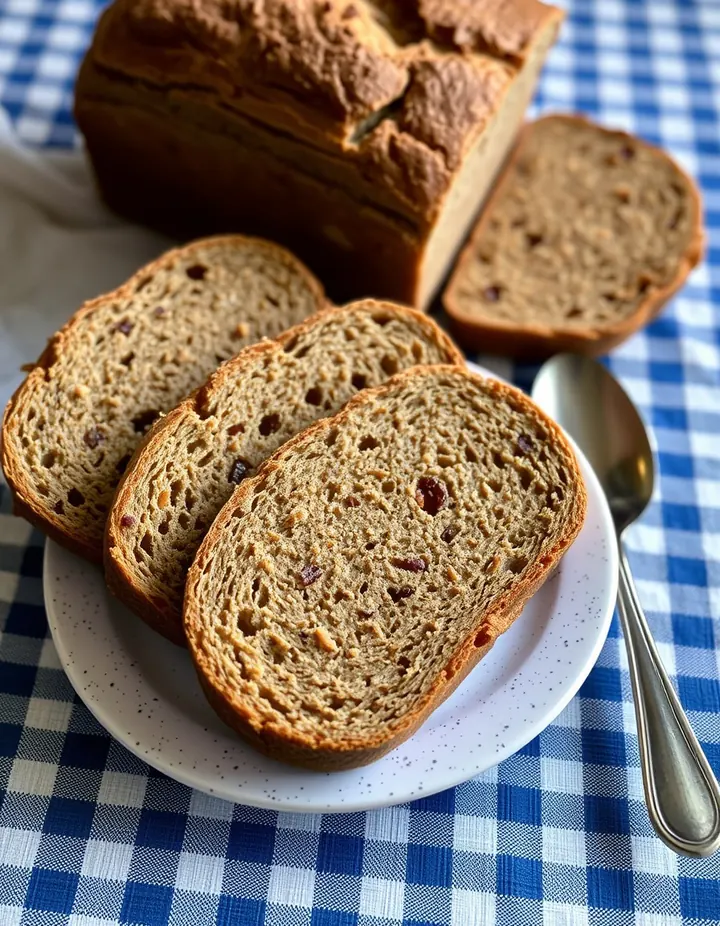 Whole Wheat Bread55 recipes
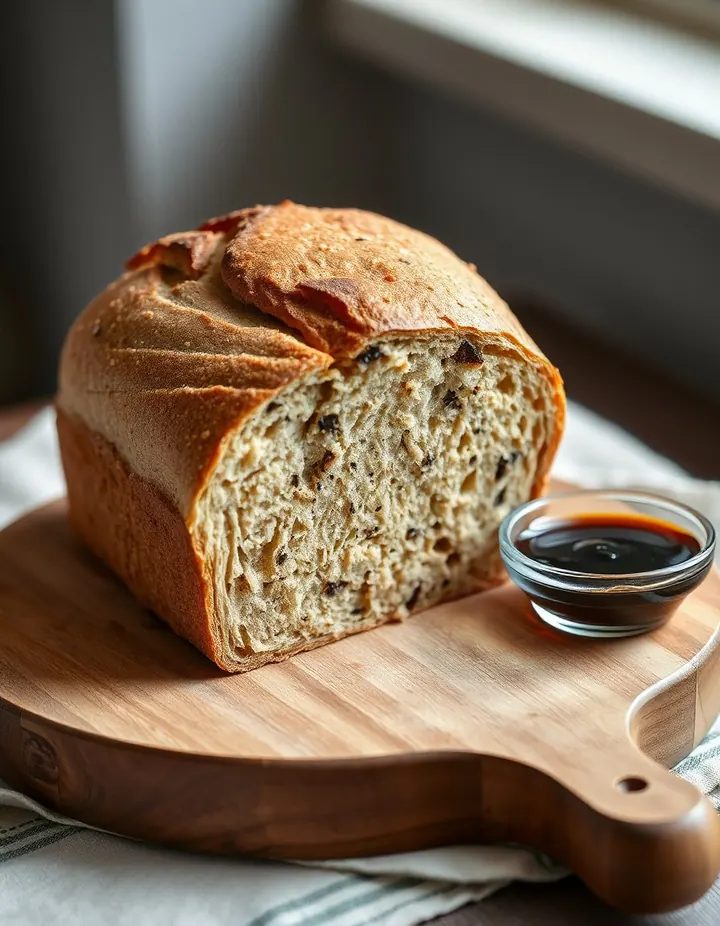 Barley Wheat Bread6 recipes
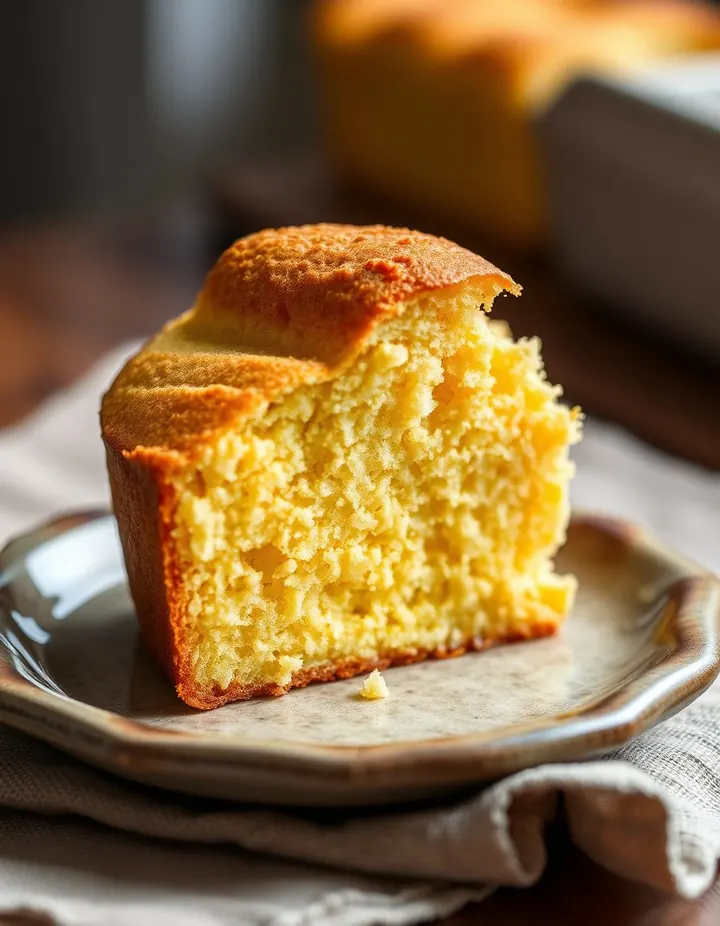 Cornbread345 recipes
The free Flavor Lab newsletter: one surprising pairing a week and the molecular reason it works, in 60 seconds. No spam, unsubscribe anytime.
Prefer an account? Create a free account to save pairings and unlock the full chemistry.