Why it works: Rice and flour are a kitchen classic. They rank in the top 16% of all ingredient pairs, and cooks put them together in 6,611 recipes. Both carry isobutyraldehyde, which smells malty, green. The science ↓
Azuki Shiratama
Ingredients
Directions
Make the dough
Put shiratama‑ko in a bowl.
Add water slowly until the dough becomes as soft as earlobes.
Knead the dough.
Make small oval‑shaped dumplings.
Cook and serve
Boil water in a large pan and add the dumplings.
Boil the dumplings until they float.
Remove the dumplings and cool them in cold water. Drain the water.
Serve dumplings on individual plates and top with anko.
Nutrition, whole recipe (rough)
Counts 2 of 3 ingredients. The other 1 aren't in our nutrition table and add nothing above, so the real totals are higher.
What these numbers assume: 2 portions
| Ingredient | Portion assumed | kcal |
|---|---|---|
| Flour | 1 cup (125g) all-purpose | 455 |
| Rice | 1 cup cooked (158g) white | 206 |
| Water | not in our table | 0 |
One typical portion per ingredient; the recipe's quantities are not counted. A rough guide only, not for medical or dietary planning.
Steps grouped into stages for easier reading; the method is the source's own.
Explore the science
The flavor team
The pairs that carry this dish. Each one is judged two ways: how much their aromas overlap, and how often cooks already put them together.
-
Rice + flourtop 16% of all pairsSmell alikemoderateCooked together6,611 recipes
Shared aroma: isobutyraldehyde (malty, green).
Ranks compare each pair with 20,000 random ingredient pairs on CompKitchen. How we score pairs
What each ingredient does
- Shiratama-ko (glutinous rice flour)
- Forms the chewy, elastic dough that gives the dumplings their soft, springy texture.
- Water
- Hydrates the flour so it forms a smooth, pliable dough that can be shaped.
- Anko
- Adds sweetness and a rich bean flavour that contrasts with the plain dumplings.
The step that matters
Adding the water slowly. Glutinous rice flour absorbs water unevenly, so adding it gradually lets you reach the right softness. Too much water makes the dough sticky and hard to shape, while too little leaves it stiff and cracked.
“What each ingredient does” and “The step that matters” were written by Claude from this recipe’s own method and reviewed in samples by CompKitchen.
You might also like
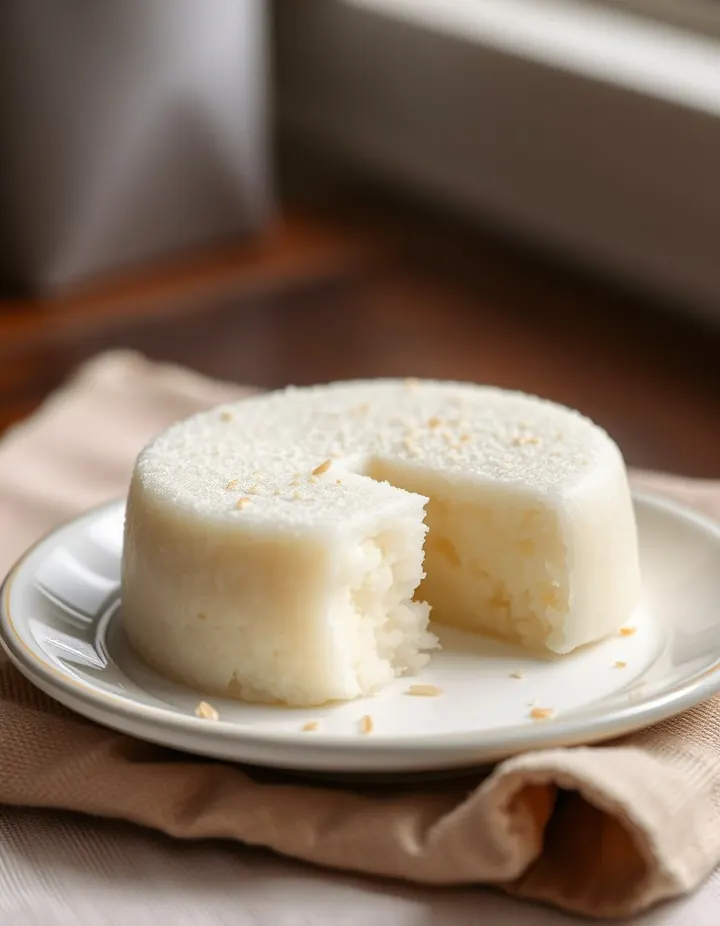 Rice Cake120 recipes
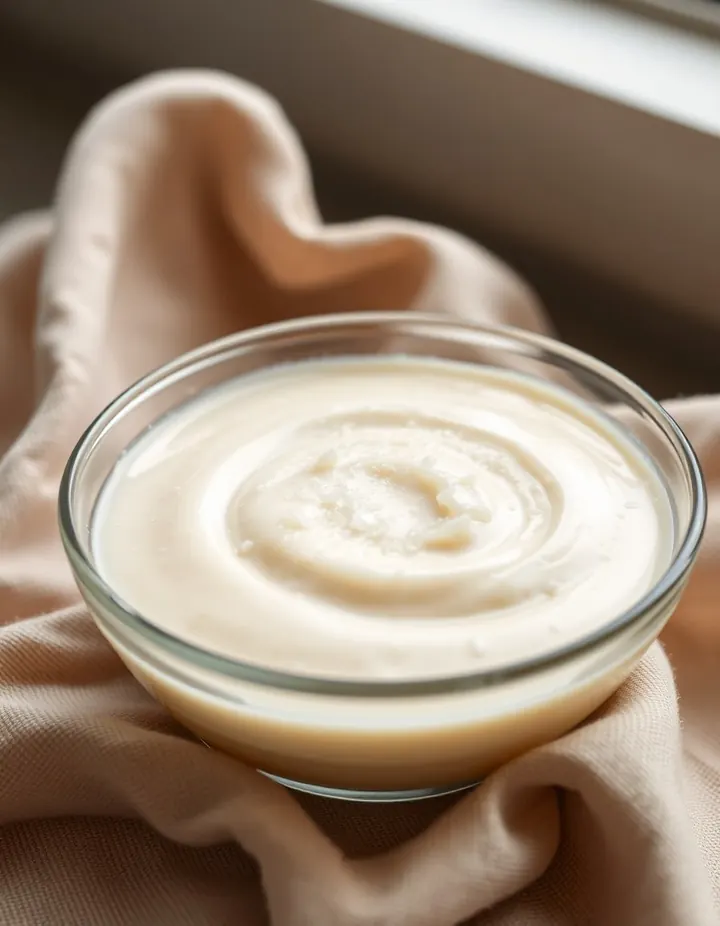 Rice Cream43 recipes
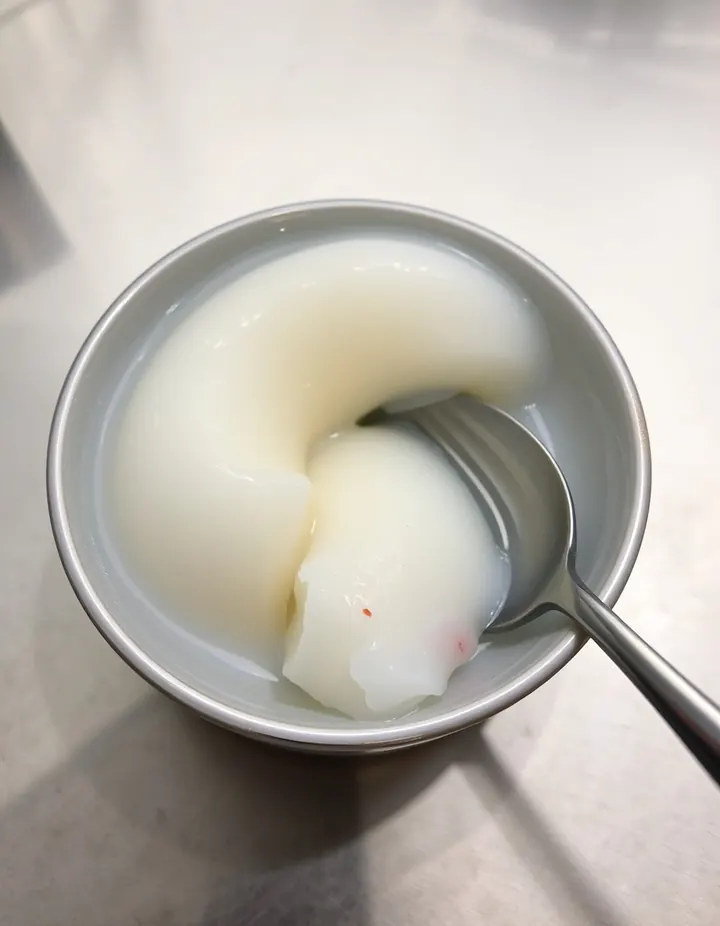 Rice Jelly42 recipes
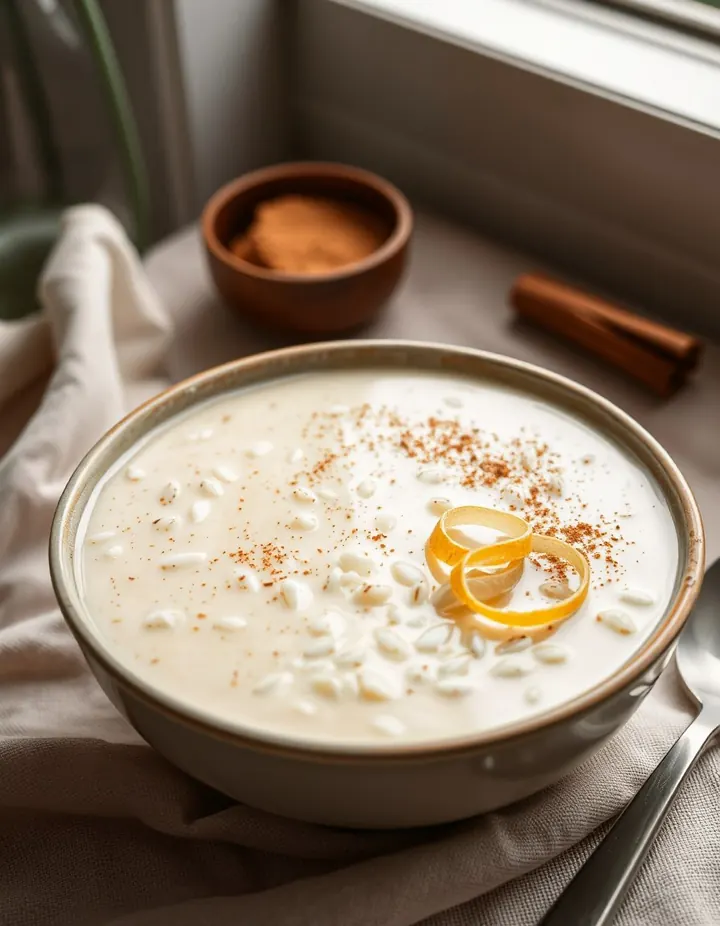 Rice Pudding22 recipes
The free Flavor Lab newsletter: one surprising pairing a week and the molecular reason it works, in 60 seconds. No spam, unsubscribe anytime.
Prefer an account? Create a free account to save pairings and unlock the full chemistry.