Why it works: Onion and garlic match in chemistry and in kitchens. They rank in the top 1% of all ingredient pairs, and cooks put them together in 29,058 recipes. Both carry furaneol, which smells caramel, strawberry. The science ↓
Lumpia Shanghai
Ingredients
Directions
Prepare the filling
Combine ground pork, ground beef, onion, and carrot in a large bowl.
Mix thoroughly until ingredients are evenly distributed.
Knead the mixture with your hands if desired.
Gradually blend in soy sauce, black pepper, garlic powder, and salt until evenly distributed.
Wrap the lumpia
Lay a wrapper on a flat surface.
Place about 2 tablespoons of filling in a line down the center of the wrapper.
Fold the bottom and top edges of the wrapper toward the center.
Fold the left and right sides toward the center.
Moisten the last edge of the wrapper to seal.
Repeat with remaining wrappers.
Fry and serve
Heat oil in a deep-fryer or heavy skillet to 375°F (190°C).
Fry 3 or 4 lumpia at a time for about 3 or 4 minutes, turning once.
Remove when lumpia float and wrappers are golden brown.
Cut in half or serve whole with dipping sauce.
Nutrition, whole recipe (rough)
What these numbers assume: 9 portions
| Ingredient | Portion assumed | kcal |
|---|---|---|
| Beef | 100g cooked | 250 |
| Pork | 100g cooked | 242 |
| Olive Oil | 1 tbsp (14g) | 119 |
| Onion | 1 medium (110g) | 44 |
| Carrot | 1 medium (61g) | 25 |
| Soy Sauce | 1 tbsp (15ml) | 9 |
| Black Pepper | 1 tsp ground (2.3g) | 6 |
| Garlic | 1 clove (3g) | 4 |
| Salt | 1 tsp (6g) | 0 |
One typical portion per ingredient; the recipe's quantities are not counted. A rough guide only, not for medical or dietary planning.
Steps grouped into stages for easier reading; the method is the source's own.
Explore the science
The flavor team
The pairs that carry this dish. Each one is judged two ways: how much their aromas overlap, and how often cooks already put them together.
-
Onion + garlictop 1% of all pairsSmell alikestrongCooked together29,058 recipes
Shared aroma: furaneol (caramel, strawberry).
-
Pork + beeftop 1% of all pairsSmell alikestrongCooked together5,690 recipes
Shared aroma: 12-methyltridecanal (tallowy, beefy).
-
Carrot + peppertop 6% of all pairsSmell alikestrongCooked together14,555 recipes
Shared aroma: 2-isopropyl-3-methoxypyrazine (earthy, pea).
-
Onion + carrottop 6% of all pairsSmell alikemoderateCooked together21,601 recipes
Shared aroma: 2-isopropyl-3-methoxypyrazine (earthy, pea).
-
Beef + oniontop 7% of all pairsSmell alikemoderateCooked together17,092 recipes
Shared aroma: 2-isopropyl-3-methoxypyrazine (earthy, pea).
Ranks compare each pair with 20,000 random ingredient pairs on CompKitchen. How we score pairs
What each ingredient does
- Ground pork
- Provides fat and richness, keeping the filling moist and savory.
- Ground beef
- Adds savory depth and body to the filling.
- Soy sauce
- Adds salty, savory flavor and umami to the filling.
- Spring roll wrappers
- Form a thin, crisp shell that fries to golden brown.
- Onion
- Adds aromatic sweetness and moisture to the filling.
The step that matters
Frying at 375°F (190°C). Oil that is too cool lets the wrappers soak up grease and turn soggy, while oil that is too hot browns the wrappers before the filling is cooked through. Holding a steady temperature gives crisp wrappers and a fully cooked filling.
Swap the carrot
How well each one fits the dish's main ingredients (pork, beef, onion, sauce, pepper, garlic):
- Potatofits better
- Tomatofits better
- Capsicumfits better
- Carrotthe original
Fit is the average pairing score against pork, beef, onion, sauce, pepper, garlic. Candidates are from the same food group and used in at least 100 recipes.
“What each ingredient does” and “The step that matters” were written by Claude from this recipe’s own method and reviewed in samples by CompKitchen.
You might also like
 Roast Beef211 recipes
 Beef Loaf175 recipes
 Carrot Soup134 recipes
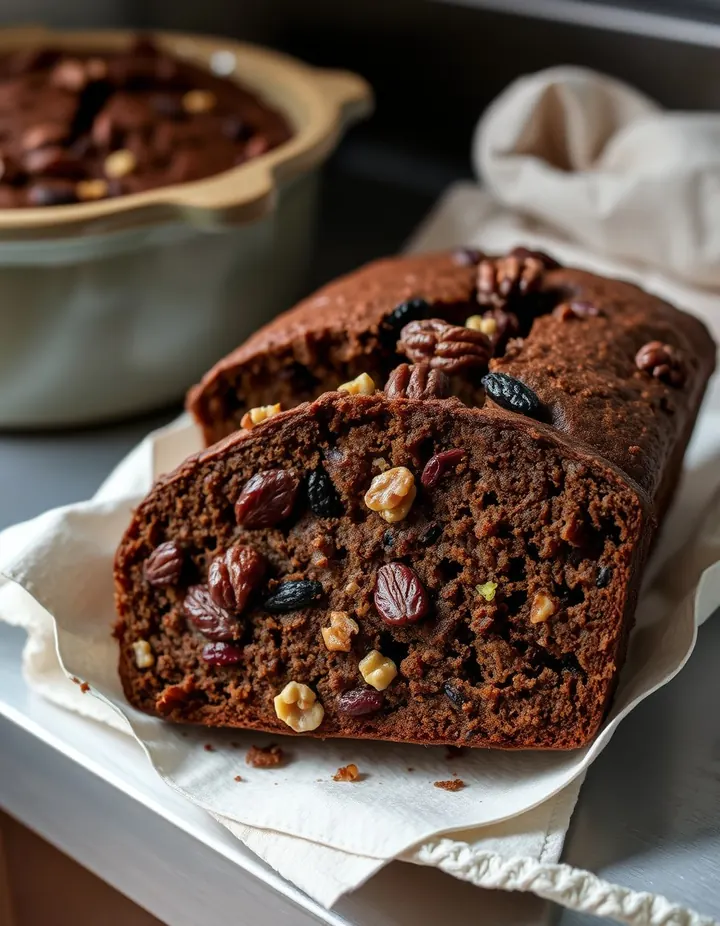 Pork Cake107 recipes
The free Flavor Lab newsletter: one surprising pairing a week and the molecular reason it works, in 60 seconds. No spam, unsubscribe anytime.
Prefer an account? Create a free account to save pairings and unlock the full chemistry.