Why it works: Butter and flour are a kitchen classic. They rank in the top 12% of all ingredient pairs, and cooks put them together in 124,287 recipes. Both carry isobutyraldehyde, which smells malty, green. The science ↓
Lebanese Cookies
Ingredients
Directions
Make the dough
In a mixer bowl, beat the cooking oil into the butter until blended, then beat in the sugar.
Add the orange juice, baking powder and baking soda, and mix well.
Add the flour a little at a time to make a soft dough.
Shape the dough into 2-inch ovals and place them on an ungreased baking sheet.
Bake and cool
Bake at 350°F for 20 to 25 minutes or until golden.
Cool the pastries on a rack.
Syrup and finish
Meanwhile, in a saucepan, combine the 3/4 cup sugar, honey and 1/2 cup water, bring to a boil, then boil gently, uncovered, for 5 minutes.
Dip the cooled pastries into the warm syrup.
Sprinkle immediately with the nuts.
Dry on a wire rack.
Nutrition, whole recipe (rough)
What these numbers assume: 7 portions
| Ingredient | Portion assumed | kcal |
|---|---|---|
| Flour | 1 cup (125g) all-purpose | 455 |
| Olive Oil | 1 tbsp (14g) | 119 |
| Butter | 1 tbsp (14g) | 102 |
| Honey | 1 tbsp (21g) | 64 |
| Orange | 1 medium (131g) | 62 |
| Sugar | 1 tbsp (12.5g) granulated | 49 |
| Walnut | 1 walnut half (4g) | 26 |
One typical portion per ingredient; the recipe's quantities are not counted. A rough guide only, not for medical or dietary planning.
Steps grouped into stages for easier reading; the method is the source's own.
Explore the science
The flavor team
The pairs that carry this dish. Each one is judged two ways: how much their aromas overlap, and how often cooks already put them together.
-
Butter + flourtop 12% of all pairsSmell alikelowCooked together124,287 recipes
Shared aroma: isobutyraldehyde (malty, green).
-
Orange + walnuttop 12% of all pairsSmell alikemoderateCooked together1,058 recipes
Shared aroma: 2,4-nonadienal (fatty, green).
-
Orange + honeytop 12% of all pairsSmell alikemoderateCooked together1,068 recipes
Shared aroma: pinene (pine, turpentine).
-
Flour + walnuttop 12% of all pairsSmell alikemoderateCooked together5,873 recipes
Shared aroma: isobutyraldehyde (malty, green).
-
Butter + honeytop 14% of all pairsSmell alikemoderateCooked together2,327 recipes
Shared aroma: anethole (sweet, anise).
Butter and flour barely smell alike, yet cooks put them together in 124,287 recipes: they work on texture and structure more than aroma.
Ranks compare each pair with 20,000 random ingredient pairs on CompKitchen. How we score pairs
What each ingredient does
- All-purpose flour
- Forms the structure of the soft dough that holds the shaped pastries together.
- Butter
- Adds richness and a tender texture to the dough.
- Cooking oil
- Adds moisture, keeping the baked pastries tender.
- Baking powder
- Releases gas during baking, helping the pastries rise and lighten.
- Baking soda
- Reacts with the acid in the orange juice to produce gas, aiding rise.
- Honey
- Adds sweetness and moisture to the syrup that the pastries absorb.
The step that matters
Dip the pastries after they cool, and sprinkle nuts right away. Cooled pastries absorb warm syrup gradually, while hot ones can turn soggy or crumble. Nuts stick best while the syrup is still sticky, so sprinkle them immediately after dipping.
Swap the orange
How well each one fits the dish's main ingredients (butter, sugar, flour, honey, walnut):
- Figfits better
- Vanillafits better
- Pearfits better
- Orangethe original
Fit is the average pairing score against butter, sugar, flour, honey, walnut. Candidates are from the same food group and used in at least 100 recipes.
“What each ingredient does” and “The step that matters” were written by Claude from this recipe’s own method and reviewed in samples by CompKitchen.
You might also like
 Orange Bundt Cake349 recipes
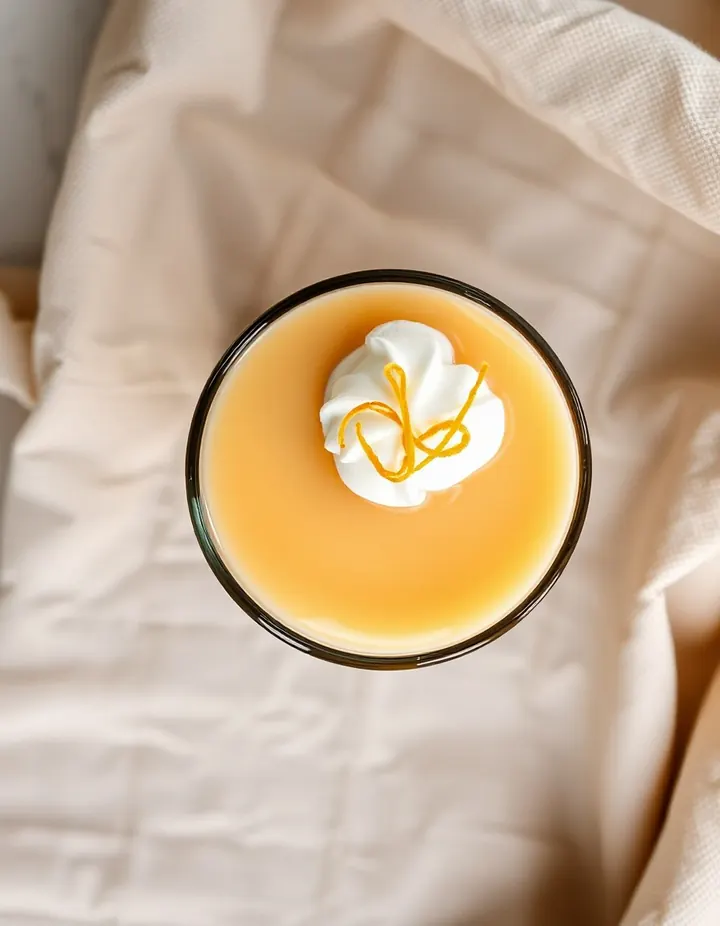 Orange Cream Rice Pudding121 recipes
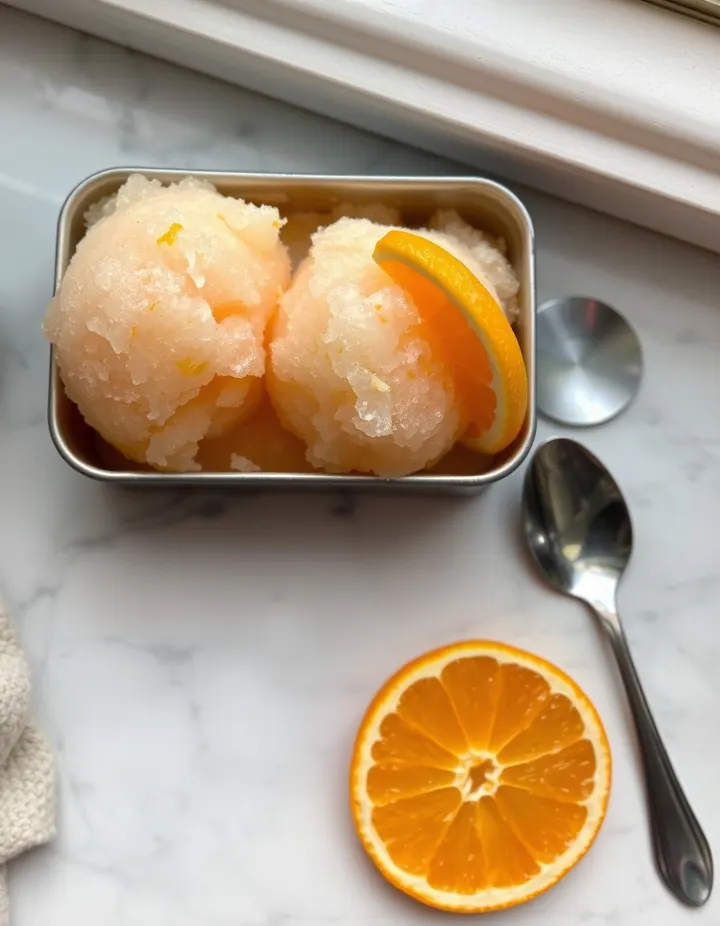 Orange Gelatin100 recipes
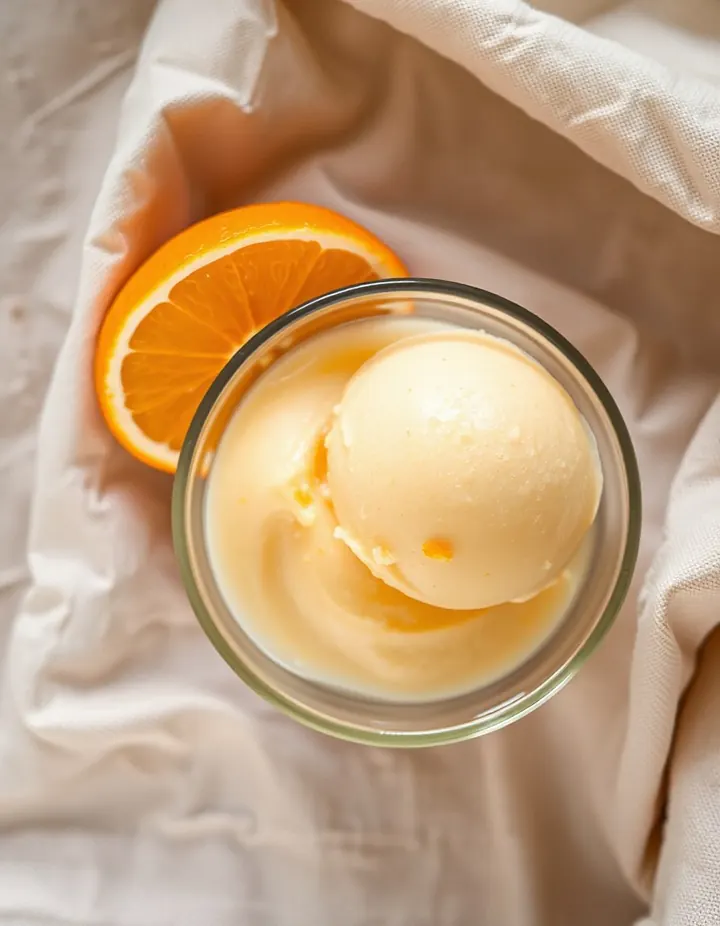 Orange Sherbet73 recipes
The free Flavor Lab newsletter: one surprising pairing a week and the molecular reason it works, in 60 seconds. No spam, unsubscribe anytime.
Prefer an account? Create a free account to save pairings and unlock the full chemistry.