Why it works: Pasta and spinach match in chemistry and in kitchens. They rank in the top 1% of all ingredient pairs, and cooks put them together in 376 recipes. Both carry nonanal, which smells fat, citrus. The science ↓
Low-fat Ricotta Spinach Rolls
Ingredients
Directions
Prepare
Preheat oven to 350°F.
Chop basil and parsley.
Prepare lasagna pasta according to package instructions.
Lay a few sheets of wax paper on the kitchen table.
Make the filling
In a mixing bowl, combine ricotta, 1/2 mozzarella, parsley, basil, spinach, salt, pepper, egg, and carrots. Mix well by hand.
Assemble and bake
Lay cooked lasagna pasta on wax paper.
Spread a thin layer of spinach mixture down the length of the lasagna.
Spread a little sauce on the bottom of a large shallow casserole dish.
Roll each filled lasagna and place in casserole dish.
Spoon the pasta sauce onto the spinach rolls.
Top with remaining mozzarella cheese.
Bake for 20-30 minutes.
Serve hot with crusty garlic bread and salad.
Nutrition, whole recipe (rough)
Counts 10 of 11 ingredients. The other 1 aren't in our nutrition table and add nothing above, so the real totals are higher.
What these numbers assume: 10 portions
| Ingredient | Portion assumed | kcal |
|---|---|---|
| Pasta | 1 cup cooked (140g) | 220 |
| Ricotta Cheese | 1/2 cup (124g) part-skim | 174 |
| Mozzarella Cheese | 1 oz (28g) | 85 |
| Egg | 1 large egg (50g) | 78 |
| Carrot | 1 medium (61g) | 25 |
| Spinach | 1 cup raw (30g) | 7 |
| Black Pepper | 1 tsp ground (2.3g) | 6 |
| Parsley | 1 tbsp chopped fresh (3.8g) | 1 |
| Basil | 5 leaves fresh (2.5g) | 1 |
| Salt | 1 tsp (6g) | 0 |
| Sauce | not in our table | 0 |
One typical portion per ingredient; the recipe's quantities are not counted. A rough guide only, not for medical or dietary planning.
Steps grouped into stages for easier reading; the method is the source's own.
Explore the science
The flavor team
The pairs that carry this dish. Each one is judged two ways: how much their aromas overlap, and how often cooks already put them together.
-
Pasta + spinachtop 1% of all pairsSmell alikestrongCooked together376 recipes
Shared aroma: nonanal (fat, citrus).
-
Carrot + parsleytop 1% of all pairsSmell alikestrongCooked together8,053 recipes
Shared aroma: 2,4-decadienal (seaweed).
-
Parsley + basiltop 1% of all pairsSmell alikestrongCooked together2,351 recipes
Shared aroma: myristicin (spice, warm).
-
Pasta + basiltop 4% of all pairsSmell alikestrongCooked together853 recipes
Shared aroma: nonanal (fat, citrus).
-
Carrot + basiltop 5% of all pairsSmell alikestrongCooked together1,113 recipes
Shared aroma: methyl cinnamate (strawberry).
Ranks compare each pair with 20,000 random ingredient pairs on CompKitchen. How we score pairs
What each ingredient does
- Lasagne pasta
- Forms the wrapper that holds the filling together as rolls.
- Ricotta cheese
- Adds creamy moisture and body to the spinach filling.
- Mozzarella cheese
- Melts over the rolls and browns lightly while baking.
- Frozen spinach
- Supplies the bulk of the filling and its green, earthy flavour.
- Egg
- Binds the filling so it holds its shape when rolled and baked.
- Pasta sauce
- Keeps the rolls moist and adds tomato flavour during baking.
The step that matters
Drain the spinach well. Frozen spinach holds a lot of water, and excess liquid thins the ricotta filling and can make the rolls soggy and loose while baking.
Swap the carrot
How well each one fits the dish's main ingredients (pasta, ricotta cheese, mozzarella cheese, spinach, parsley, basil, egg):
- Eggplantfits better
- Chivefits better
- Shallotfits better
- Carrotthe original
Fit is the average pairing score against pasta, ricotta cheese, mozzarella cheese, spinach, parsley, basil, egg. Candidates are from the same food group and used in at least 100 recipes.
“What each ingredient does” and “The step that matters” were written by Claude from this recipe’s own method and reviewed in samples by CompKitchen.
You might also like
 Carrot Soup134 recipes
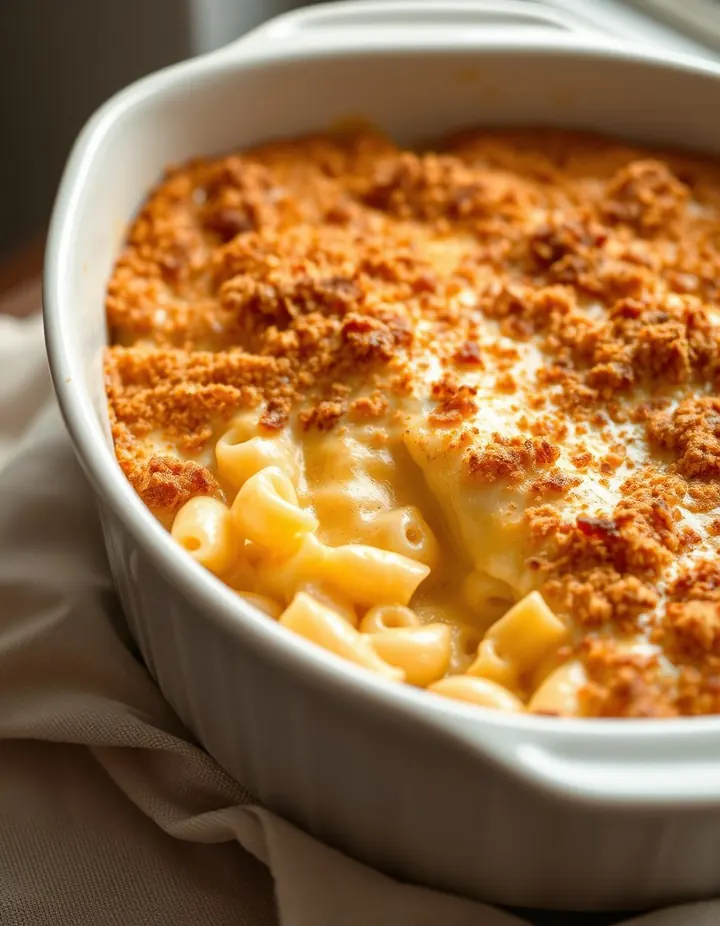 Macaroni and Cheese102 recipes
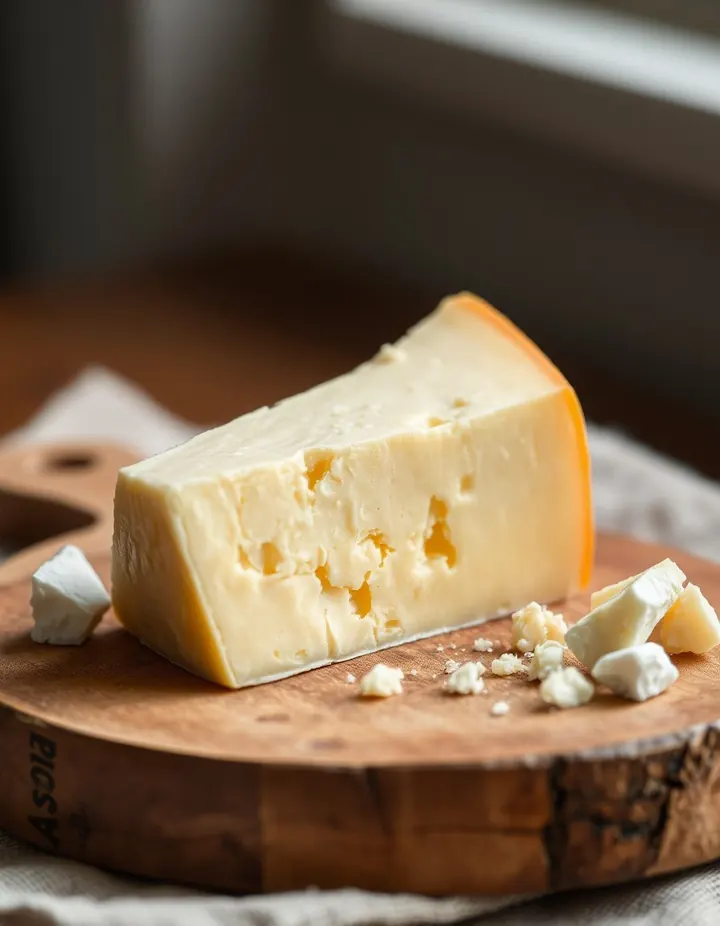 Cheese Making50 recipes
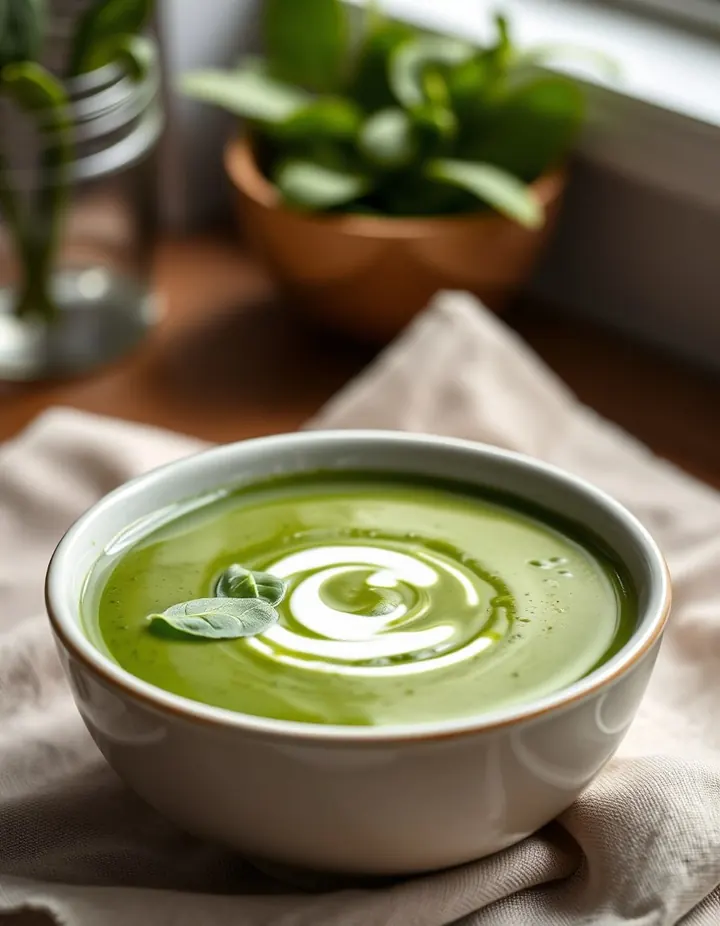 Spinach Soup50 recipes
The free Flavor Lab newsletter: one surprising pairing a week and the molecular reason it works, in 60 seconds. No spam, unsubscribe anytime.
Prefer an account? Create a free account to save pairings and unlock the full chemistry.