Why it works: Coriander and lime match in chemistry and in kitchens. They rank in the top 1% of all ingredient pairs, and cooks put them together in 3,536 recipes. Both carry beta-phellandrene, which smells minty, terpene. The science ↓
Salmon Tartar with Coriander, Caviar and Lime Sauce
Ingredients
Directions
Prepare the tartare
Mince or coarsely chop the salmon, preferably in a food mixer. (Do not mash it!)
Combine the salmon with the shallots, pimiento, and chopped coriander leaves.
Season the mixture with salt and white pepper.
Make the sauce
In a bowl, stir together the sour cream, lime juice, Dijon mustard, and maple syrup; season with salt and pepper to taste.
Assemble and serve
Form the mixture into small towers and top each with one teaspoon of caviar.
Place the salmon tartar on a plate, drizzle with the sauce, and garnish with lime wedges and coriander leaves.
Nutrition, whole recipe (rough)
Counts 7 of 10 ingredients. The other 3 aren't in our nutrition table and add nothing above, so the real totals are higher.
What these numbers assume: 7 portions
| Ingredient | Portion assumed | kcal |
|---|---|---|
| Salmon | 100g cooked | 208 |
| Yogurt | 170g plain Greek | 100 |
| Maple Syrup | 1 tbsp (20ml) | 52 |
| Onion | 1 medium (110g) | 44 |
| Lime | juice of 1 lime (44ml) | 11 |
| Black Pepper | 1 tsp ground (2.3g) | 6 |
| Salt | 1 tsp (6g) | 0 |
| Coriander | not in our table | 0 |
| Caviar | not in our table | 0 |
| Roe | not in our table | 0 |
One typical portion per ingredient; the recipe's quantities are not counted. A rough guide only, not for medical or dietary planning.
Steps grouped into stages for easier reading; the method is the source's own.
Explore the science
The flavor team
The pairs that carry this dish. Each one is judged two ways: how much their aromas overlap, and how often cooks already put them together.
-
Coriander + limetop 1% of all pairsSmell alikestrongCooked together3,536 recipes
Shared aroma: beta-phellandrene (minty, terpene).
-
Shallot + mustardtop 1% of all pairsSmell alikestrongCooked together859 recipes
Shared aroma: eucalyptol (eucalyptus, herbal).
-
Shallot + limetop 5% of all pairsSmell alikestrongCooked together258 recipes
Shared aroma: eucalyptol (eucalyptus, herbal).
-
Lime + mustardtop 7% of all pairsSmell alikestrongCooked together392 recipes
Shared aroma: eucalyptol (eucalyptus, herbal).
-
Shallot + coriandertop 8% of all pairsSmell alikestrongCooked together305 recipes
Shared aroma: eucalyptol (eucalyptus, herbal).
Ranks compare each pair with 20,000 random ingredient pairs on CompKitchen. How we score pairs
What each ingredient does
- Salmon
- Provides the main body of the tartare, and its chopped texture holds the dish together.
- Sour cream
- Adds creamy richness and moisture to the sauce, balancing the sharpness of the lime.
- Lime juice
- Adds acidity that brightens the sauce and cuts the richness of the salmon and cream.
- Dijon mustard
- Adds sharp, pungent flavour and helps emulsify the sauce.
- Caviar
- Adds salty, briny bursts of flavour and a contrasting texture on top.
The step that matters
Mince the salmon without mashing it. Mashing breaks down the fish's muscle fibres and releases moisture, giving a pasty texture instead of the clean, distinct pieces a tartare needs. Chopping keeps the flakes intact.
Swap the white pepper
How well each one fits the dish's main ingredients (salmon, shallot, coriander, caviar, cream, lime, mustard):
- Capersfits better
- Tarragonfits better
- Dillfits better
- White pepperthe original
Fit is the average pairing score against salmon, shallot, coriander, caviar, cream, lime, mustard. Candidates are from the same food group and used in at least 100 recipes.
“What each ingredient does” and “The step that matters” were written by Claude from this recipe’s own method and reviewed in samples by CompKitchen.
You might also like
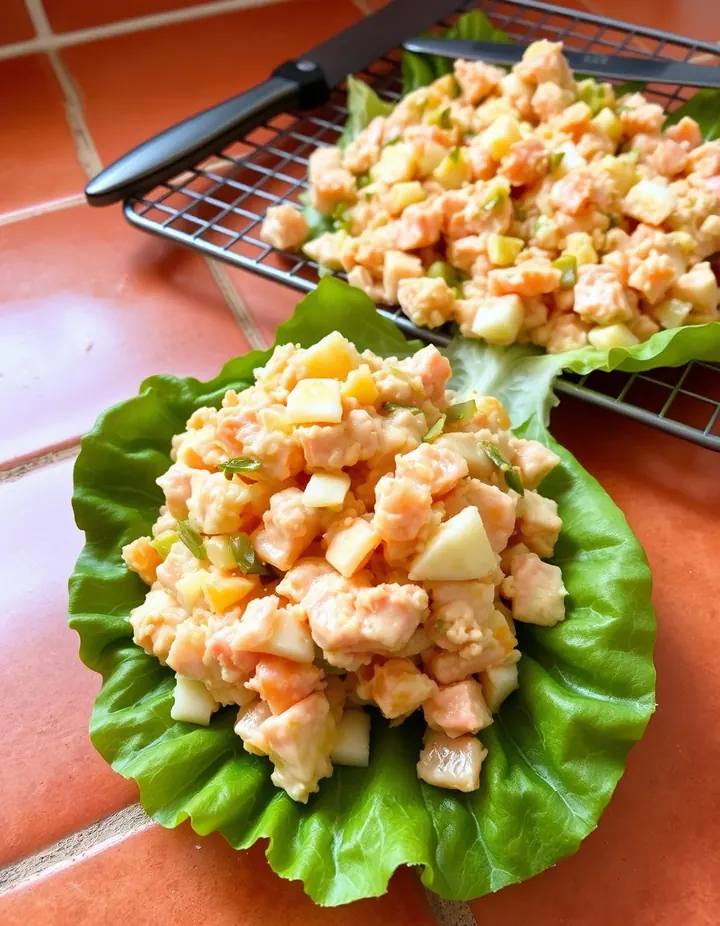 Salmon Salad155 recipes
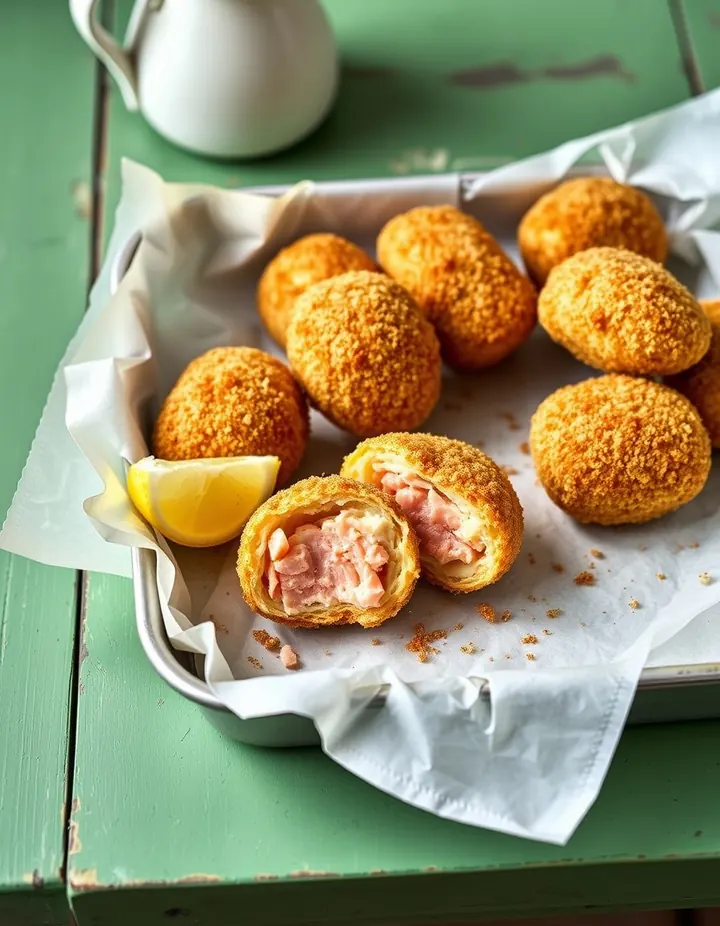 Salmon Croquettes129 recipes
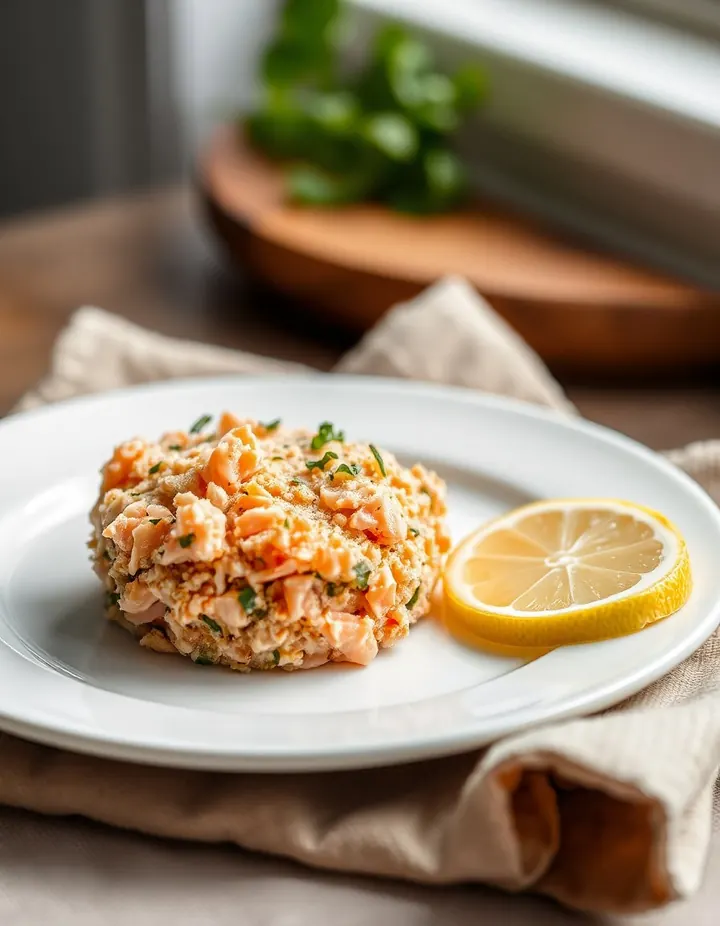 Canned Salmon14 recipes
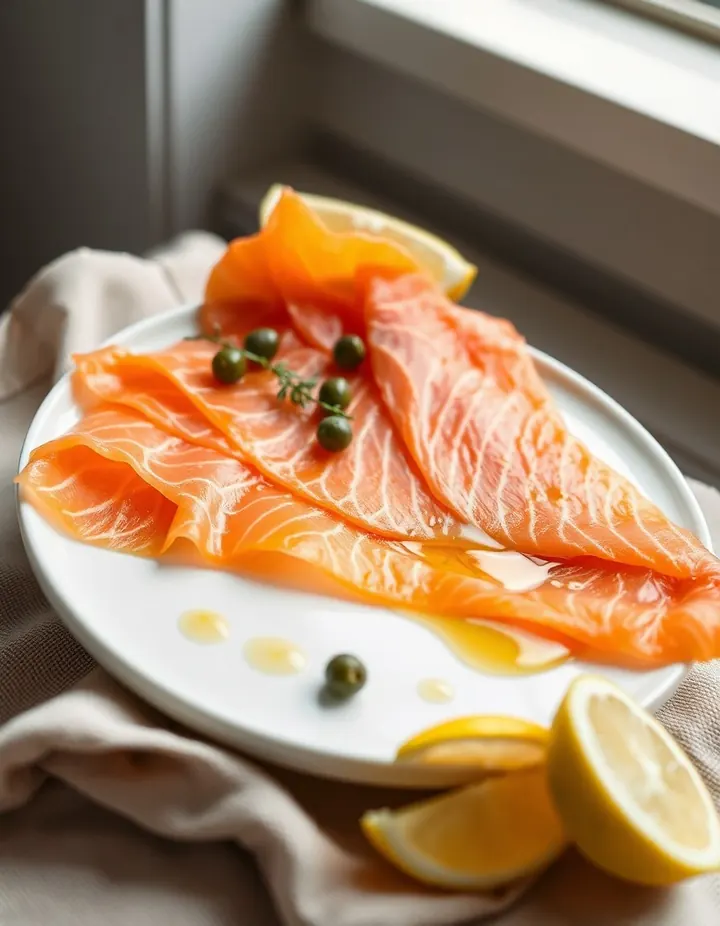 Smoked Salmon14 recipes
The free Flavor Lab newsletter: one surprising pairing a week and the molecular reason it works, in 60 seconds. No spam, unsubscribe anytime.
Prefer an account? Create a free account to save pairings and unlock the full chemistry.