Why it works: Flour and caraway match in chemistry and in kitchens. They rank in the top 6% of all ingredient pairs, and cooks put them together in 1,435 recipes. Both carry isobutyraldehyde, which smells malty, green. The science ↓
Irish Buttermilk Scones
Ingredients
Directions
Prepare
Preheat oven to 450°F (230°C).
Coat a baking sheet with cooking oil spray.
Make the dough
In a large bowl, mix all-purpose flour, whole wheat flour, sugar, baking powder, baking soda, and salt.
Add currants and caraway seeds to the dry mixture.
In a separate bowl, whisk the egg, buttermilk, and butter together.
Add the wet mixture to the dry ingredients. Mix well until a fluffy, moist dough is formed.
Shape and bake
Place the dough onto a lightly floured surface and roll it out lightly until it is 1-inch thick.
Cut out 2-inch diameter circles from the dough.
Glaze the scones with egg or milk.
Place the glazed scones on the baking sheet, 2-3 inches apart.
Bake for 20 minutes or until the scones are light brown on top.
Nutrition, whole recipe (rough)
Counts 7 of 8 ingredients. The other 1 aren't in our nutrition table and add nothing above, so the real totals are higher.
What these numbers assume: 7 portions
| Ingredient | Portion assumed | kcal |
|---|---|---|
| Flour | 1 cup (125g) all-purpose | 455 |
| Milk | 1 cup (244ml) whole | 149 |
| Butter | 1 tbsp (14g) | 102 |
| Egg | 1 large egg (50g) | 78 |
| Grape | 1/2 cup (76g) | 62 |
| Sugar | 1 tbsp (12.5g) granulated | 49 |
| Salt | 1 tsp (6g) | 0 |
| Caraway Seed | not in our table | 0 |
One typical portion per ingredient; the recipe's quantities are not counted. A rough guide only, not for medical or dietary planning.
Steps grouped into stages for easier reading; the method is the source's own.
Explore the science
The flavor team
The pairs that carry this dish. Each one is judged two ways: how much their aromas overlap, and how often cooks already put them together.
-
Flour + carawaytop 6% of all pairsSmell alikestrongCooked together1,435 recipes
Shared aroma: isobutyraldehyde (malty, green).
-
Wheat + carawaytop 8% of all pairsSmell alikemoderateCooked together44 recipes
Shared aroma: decanal (soap, orange peel).
-
Flour + buttermilktop 8% of all pairsSmell alikemoderateCooked together3,721 recipes
Shared aroma: ethanol (alcoholic, ethereal).
-
Sugar + buttermilktop 9% of all pairsSmell alikestrongCooked together2,973 recipes
Shared aroma: ethanol (alcoholic, ethereal).
-
Flour + wheattop 12% of all pairsSmell alikemoderateCooked together4,373 recipes
Shared aroma: isobutyraldehyde (malty, green).
Ranks compare each pair with 20,000 random ingredient pairs on CompKitchen. How we score pairs
What each ingredient does
- All-purpose flour
- Provides the main structure as the gluten-forming base of the dough.
- Buttermilk
- Adds moisture and acidity that tenderizes the crumb and reacts with the baking soda.
- Baking soda
- Reacts with the acidic buttermilk to produce carbon dioxide, helping the scones rise and brown.
- Baking powder
- Provides additional lift so the scones rise evenly in the oven.
- Egg
- Binds the dough and adds richness, and its glaze promotes browning on top.
- Butter or margarine
- Adds fat that tenderizes the texture and contributes richness and flavor.
The step that matters
Mix the wet and dry ingredients only until combined. Overmixing develops too much gluten, which makes scones tough and dense rather than tender. Stop once a soft, moist dough forms.
Swap the currant
How well each one fits the dish's main ingredients (flour, wheat, sugar, caraway, egg, buttermilk, butter):
- Raisinfits better
- Vanillafits better
- Lemonfits better
- Currantthe original
Fit is the average pairing score against flour, wheat, sugar, caraway, egg, buttermilk, butter. Candidates are from the same food group and used in at least 100 recipes.
“What each ingredient does” and “The step that matters” were written by Claude from this recipe’s own method and reviewed in samples by CompKitchen.
You might also like
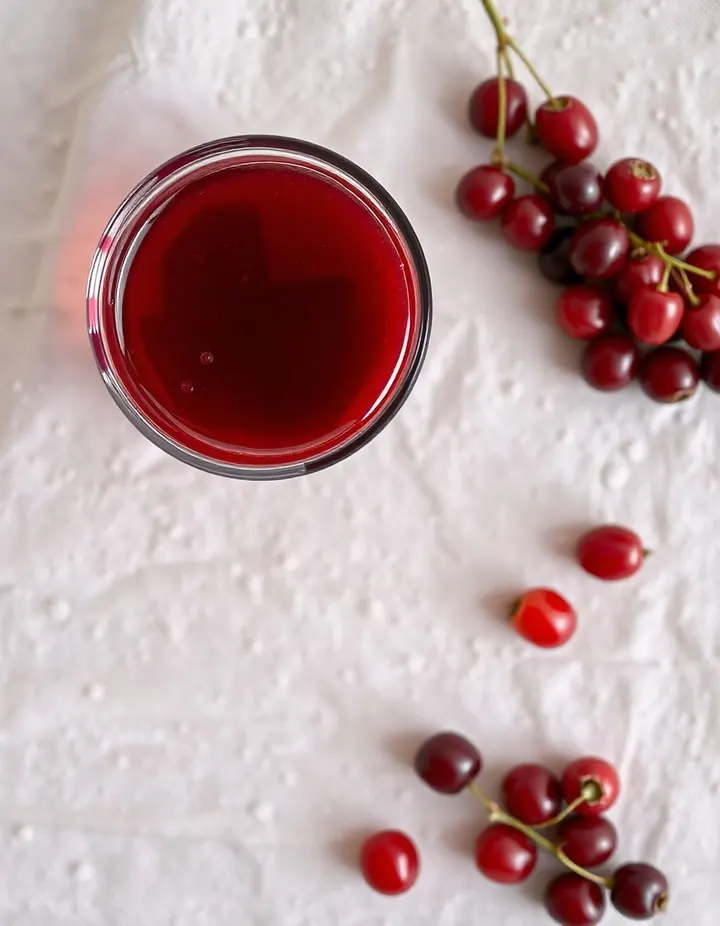 Red Currant Jelly65 recipes
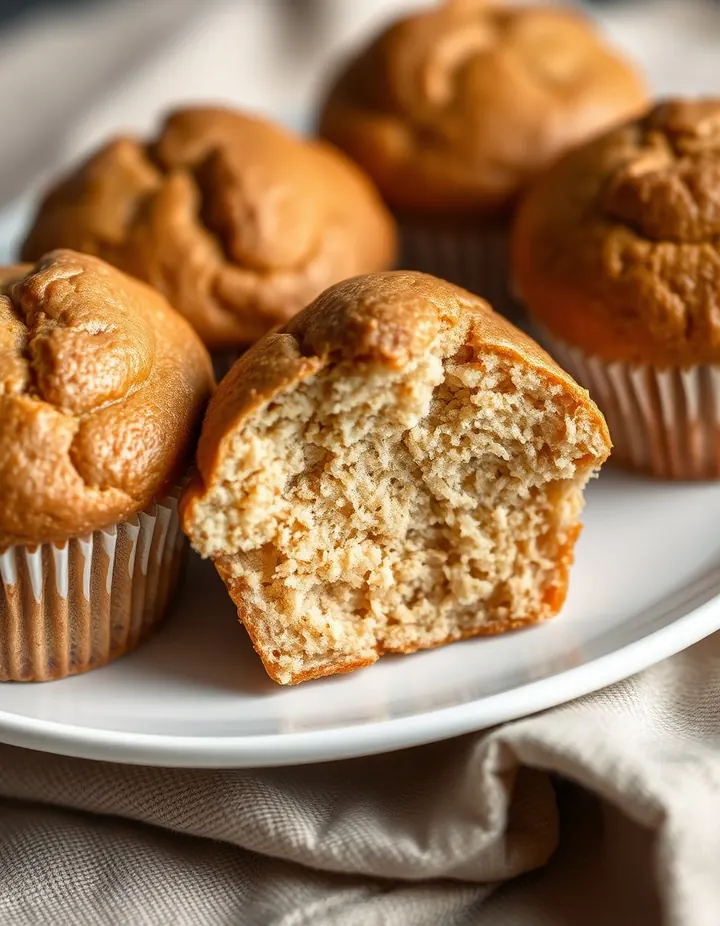 Wheat Muffins48 recipes
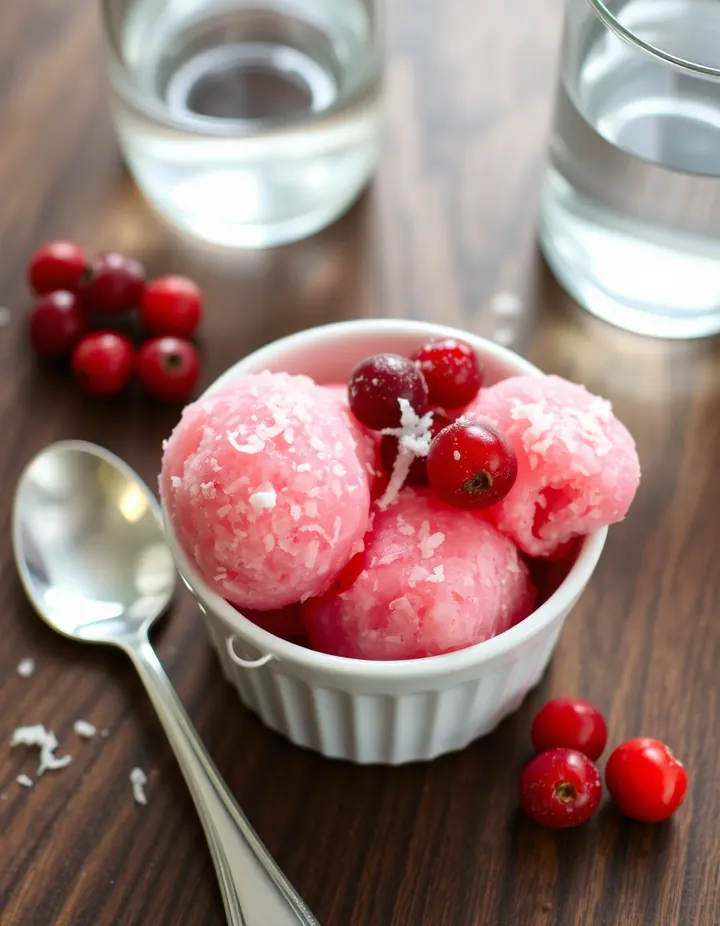 Currant Ice Cream32 recipes
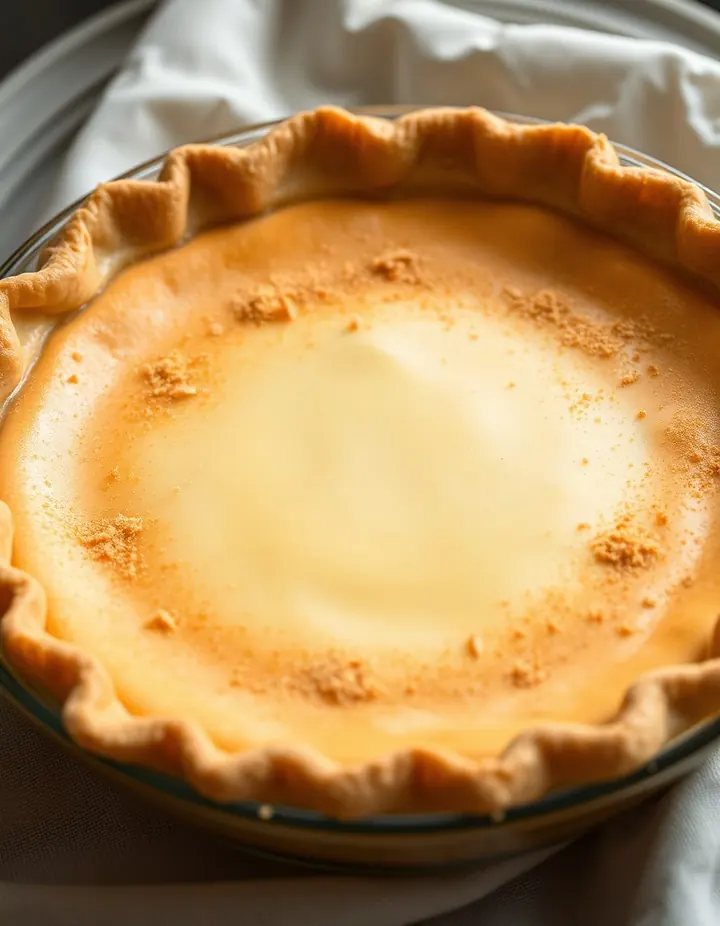 Buttermilk Pie12 recipes
The free Flavor Lab newsletter: one surprising pairing a week and the molecular reason it works, in 60 seconds. No spam, unsubscribe anytime.
Prefer an account? Create a free account to save pairings and unlock the full chemistry.