Why it works: Rye and flour match in chemistry and in kitchens. They rank in the top 8% of all ingredient pairs, and cooks put them together in 1,320 recipes. Both carry isobutyraldehyde, which smells malty, green. The science ↓
Mämmi
Ingredients
Directions
Make the base
Mix the malt and rye flour together.
In a large cooking pan with a heavy bottom, heat about 2 quarts of water.
Add enough of the malt‑flour mixture to form a thin mixture (like velli).
Sprinkle a layer of malt and flour over the mixture.
Cover the pan and place it in a warm place to sweeten for about one hour.
Mix the sprinkled malt and flour into the mixture.
Add more hot water and again a layer of malt and flour.
Leave to sweeten.
Repeat steps 6‑8 as often as needed to incorporate all remaining water, flour, and malt.
Season and cook
With the last addition, season the mämmi to taste with molasses and orange rind.
Cook for about 10 minutes, stirring constantly.
Whip until cooled.
Bake and serve
Place in low pans (birch bark mämmituokkoset).
Do not fill the pans too full, because mämmi will rise in the oven.
Bake in a moderate oven for about 1‑2 hours.
Baked mämmi will cool quickly and be served with cold cream and sugar.
Nutrition, whole recipe (rough)
Counts 5 of 7 ingredients. The other 2 aren't in our nutrition table and add nothing above, so the real totals are higher.
What these numbers assume: 5 portions
| Ingredient | Portion assumed | kcal |
|---|---|---|
| Flour | 1 cup (125g) all-purpose | 455 |
| Rye | 1 slice (32g) | 83 |
| Orange | 1 medium (131g) | 62 |
| Molasses | 1 tbsp (20g) | 58 |
| Salt | 1 tsp (6g) | 0 |
| Water | not in our table | 0 |
| Malt | not in our table | 0 |
One typical portion per ingredient; the recipe's quantities are not counted. A rough guide only, not for medical or dietary planning.
Steps grouped into stages for easier reading; the method is the source's own.
Explore the science
The flavor team
The pairs that carry this dish. Each one is judged two ways: how much their aromas overlap, and how often cooks already put them together.
-
Rye + flourtop 8% of all pairsSmell alikestrongCooked together1,320 recipes
Shared aroma: isobutyraldehyde (malty, green).
-
Rye + orangetop 13% of all pairsSmell alikemoderateCooked together75 recipes
Shared aroma: ethyl 2-methylbutyrate (fruity, apple).
-
Flour + molassestop 16% of all pairsSmell alikemoderateCooked together10,429 recipes
Shared aroma: ethanol (alcoholic, ethereal).
-
Rye + molassestop 16% of all pairsSmell alikelowCooked together804 recipes
Shared aroma: ethanol (alcoholic, ethereal).
-
Molasses + orangetop 20% of all pairsSmell alikelowCooked together493 recipes
Shared aroma: ethyl isobutyrate (fruity, ethereal).
Ranks compare each pair with 20,000 random ingredient pairs on CompKitchen. How we score pairs
What each ingredient does
- Rye flour
- Forms the thick body of the porridge and sets firm when baked.
- Malt
- Its enzymes convert starches to sugars, sweetening the mixture and aiding browning.
- Molasses
- Adds sweetness, dark color and a deep caramel-like flavor.
The step that matters
Incorporating the malt and flour in layers. Adding flour too quickly can form lumps that stay dry inside. Adding it gradually with time to rest lets malt enzymes convert starch to sugar evenly, giving a smooth, sweet porridge.
Swap the orange
How well each one fits the dish's main ingredients (malt, rye, flour, molasses):
- Raisinfits better
- Vanillafits better
- Cherryfits better
- Orangethe original
Fit is the average pairing score against malt, rye, flour, molasses. Candidates are from the same food group and used in at least 100 recipes.
“What each ingredient does” and “The step that matters” were written by Claude from this recipe’s own method and reviewed in samples by CompKitchen.
You might also like
 Orange Bundt Cake349 recipes
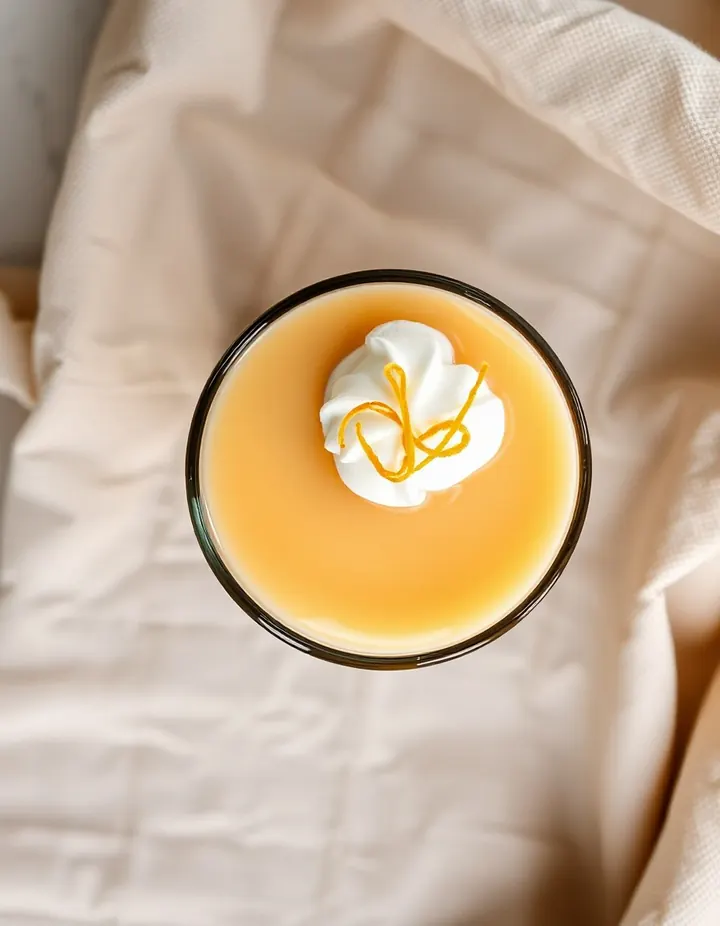 Orange Cream Rice Pudding121 recipes
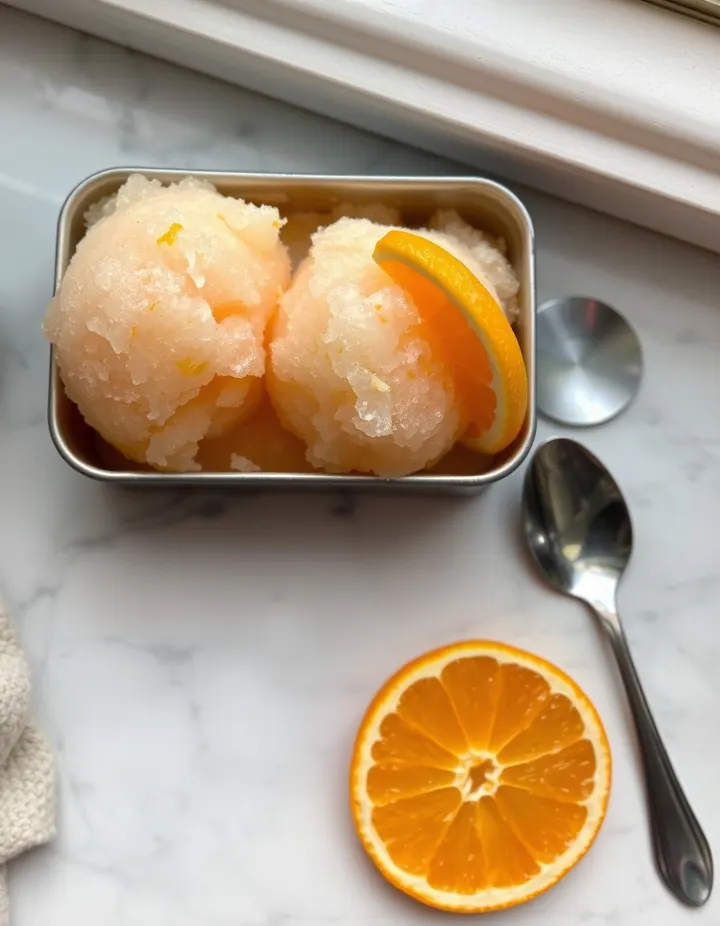 Orange Gelatin100 recipes
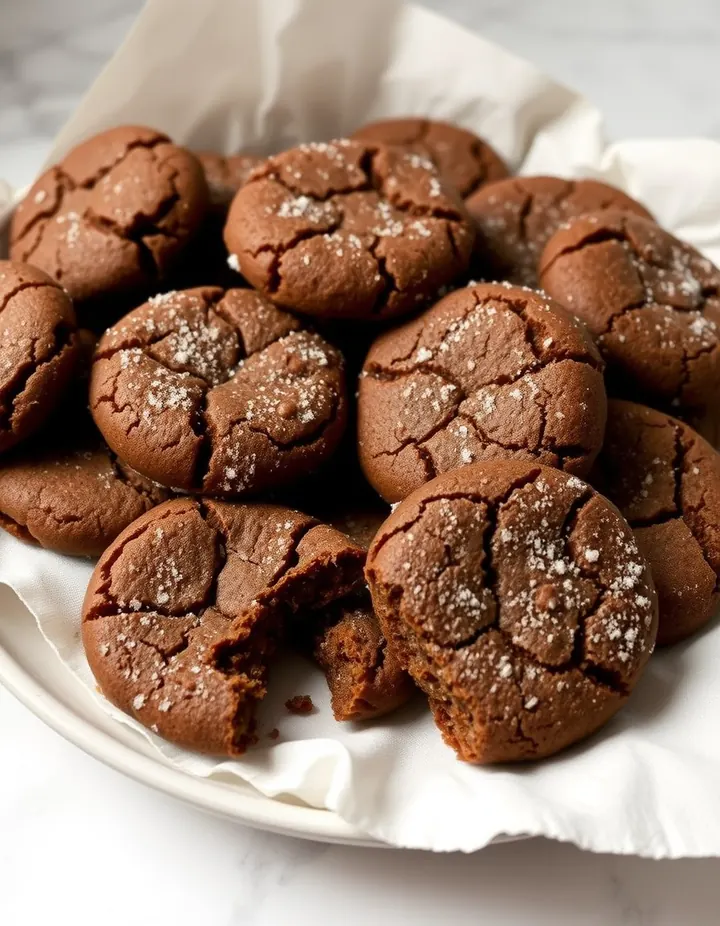 Molasses Cookies96 recipes
The free Flavor Lab newsletter: one surprising pairing a week and the molecular reason it works, in 60 seconds. No spam, unsubscribe anytime.
Prefer an account? Create a free account to save pairings and unlock the full chemistry.