Why it works: Leek and turnip match in chemistry and in kitchens. They rank in the top 1% of all ingredient pairs, and cooks put them together in 1,046 recipes. Both carry coumarin, which smells sweet, hay. The science ↓
Icelandic Meat Soup
Ingredients
Directions
Prepare
Cut meat into small cubes.
Heat 1 quart water to a boil, add meat and a few of the bones, and bring to a boil again.
Wash the meat, water, and bones in a clean sink.
Simmer the broth
Place meat, bones, and 1 ½ quart water into a large, clean pan.
Bring to the boil, skim, and cook at a moderate heat for about 60 minutes.
Remove bones and season to taste with salt and pepper.
Add vegetables and rice
Clean vegetables, cut into pieces, and add to the pot.
Bring to boil, skim, add rice, and cook for 20 minutes.
Season to taste with salt and pepper if needed.
Serve
Add herbs to the soup just before it is served.
Nutrition, whole recipe (rough)
Counts 11 of 13 ingredients. The other 2 aren't in our nutrition table and add nothing above, so the real totals are higher.
What these numbers assume: 11 portions
| Ingredient | Portion assumed | kcal |
|---|---|---|
| Lamb | 100g cooked | 294 |
| Rice | 1 cup cooked (158g) white | 206 |
| Potato | 1 medium (173g) baked | 161 |
| Onion | 1 medium (110g) | 44 |
| Turnip | 1 medium (122g) | 34 |
| Carrot | 1 medium (61g) | 25 |
| Black Pepper | 1 tsp ground (2.3g) | 6 |
| Celery | 1 stalk (40g) | 6 |
| Parsley | 1 tbsp chopped fresh (3.8g) | 1 |
| Chive | 1 tbsp (3g) | 1 |
| Salt | 1 tsp (6g) | 0 |
| Meat | not in our table | 0 |
| Rutabaga | not in our table | 0 |
One typical portion per ingredient; the recipe's quantities are not counted. A rough guide only, not for medical or dietary planning.
Steps grouped into stages for easier reading; the method is the source's own.
Explore the science
The flavor team
The pairs that carry this dish. Each one is judged two ways: how much their aromas overlap, and how often cooks already put them together.
-
Leek + turniptop 1% of all pairsSmell alikestrongCooked together1,046 recipes
Shared aroma: coumarin (sweet, hay).
-
Carrot + celerytop 1% of all pairsSmell alikestrongCooked together10,173 recipes
Shared aroma: myristicin (spice, warm).
-
Carrot + turniptop 1% of all pairsSmell alikestrongCooked together8,002 recipes
Shared aroma: coumarin (sweet, hay).
-
Turnip + celerytop 2% of all pairsSmell alikemoderateCooked together4,418 recipes
Shared aroma: coumarin (sweet, hay).
-
Leek + carrottop 3% of all pairsSmell alikestrongCooked together1,310 recipes
Shared aroma: coumarin (sweet, hay).
Ranks compare each pair with 20,000 random ingredient pairs on CompKitchen. How we score pairs
What each ingredient does
- Lamb meat
- Releases savory flavor and collagen into the broth while its meat turns tender.
- Potatoes
- Their starch softens during cooking and gives the soup body.
- Rice
- Its starch slightly thickens the broth as it cooks.
- Carrots
- Add natural sweetness and color to the broth.
- Leek
- Adds a mild, onion-like aroma to the broth.
- Yellow turnip (rutabaga)
- Adds mild sweetness and a firm texture that holds up during simmering.
The step that matters
Skimming and a moderate simmer. Skimming foam as the liquid comes to a boil removes impurities, keeping the broth clean-tasting and clear. Cooking at a moderate heat, rather than a hard boil, keeps the meat tender and the broth from turning cloudy.
Swap the rutabaga
How well each one fits the dish's main ingredients (lamb, potato, leek, carrot, turnip, celery, rice):
- Parsnipfits better
- Lettucefits better
- Asparagusfits better
- Rutabagathe original
Fit is the average pairing score against lamb, potato, leek, carrot, turnip, celery, rice. Candidates are from the same food group and used in at least 100 recipes.
“What each ingredient does” and “The step that matters” were written by Claude from this recipe’s own method and reviewed in samples by CompKitchen.
You might also like
 Potato Croquettes255 recipes
 Carrot Soup134 recipes
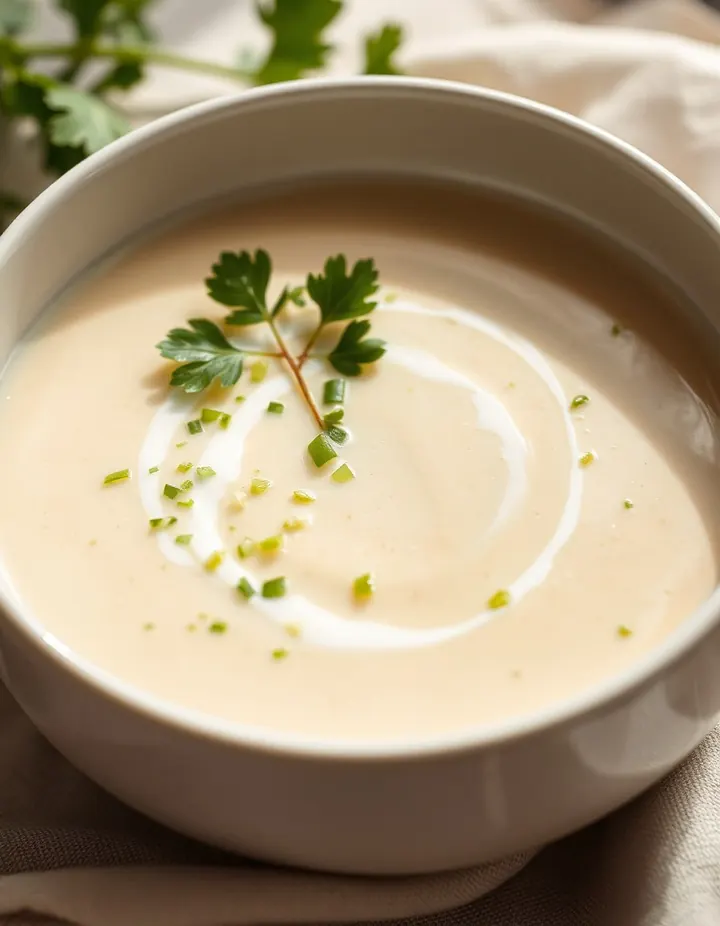 Cream of Celery Soup113 recipes
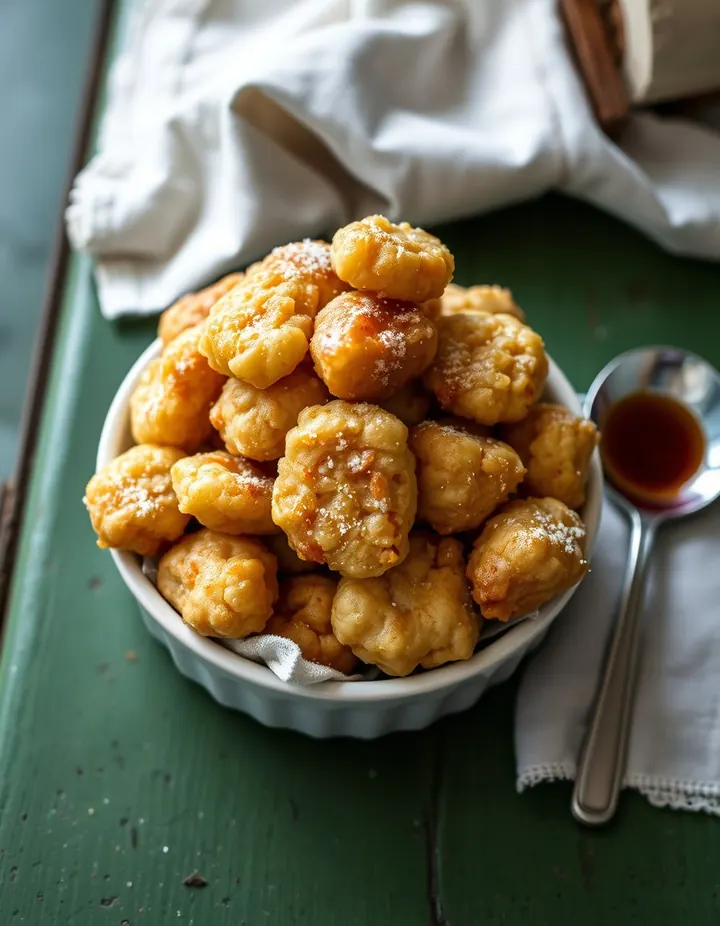 Rice Fritters84 recipes
The free Flavor Lab newsletter: one surprising pairing a week and the molecular reason it works, in 60 seconds. No spam, unsubscribe anytime.
Prefer an account? Create a free account to save pairings and unlock the full chemistry.