Why it works: Flour and milk are a kitchen classic. They rank in the top 14% of all ingredient pairs, and 78,219 recipes mention both. Both carry isobutyraldehyde, which smells malty, green. The science ↓
Hveitibrauð Með Lyftidufti
Ingredients
Directions
Prepare the dough
Sieve together the dry ingredients, and add most of the milk.
Knead until smooth, adding milk as needed.
Shape and bake
Form into a loaf and bake immediately.
Make cuts into the loaf and brush it with milk or beaten egg before baking.
Bake the bread on the lowest rung in the oven at 175–200 °C for about an hour.
This recipe comes from the Recipes Wiki on Fandom and is licensed CC BY-SA 4.0. Our formatting and summaries are shared under the same licence.
Steps grouped into stages for easier reading; the method is the source's own.
Explore the science
The flavor team
The pairs that carry this dish. Each one is judged two ways: how much aroma chemistry they share, and how many recipes mention both.
-
Flour + milktop 14% of all pairsAroma overlaplowMentioned together78,219 recipes
Shared aroma: isobutyraldehyde (malty, green).
-
Flour + sugartop 15% of all pairsAroma overlapmoderateMentioned together92,116 recipes
Shared aroma: phenylacetaldehyde (hawthorne, honey).
-
Sugar + milktop 18% of all pairsAroma overlaplowMentioned together77,875 recipes
Shared aroma: 2-nonenal (fatty, green).
Flour and milk share little aroma chemistry, yet 78,219 recipes mention both: they likely work on texture and structure more than aroma.
Ranks compare each pair with 20,000 random ingredient pairs on CompKitchen. How we score pairs
What each ingredient does
- Flour
- Forms the gluten network that gives the loaf its structure and crumb.
- Baking powder
- Releases gas during baking so the loaf rises without yeast.
- Milk
- Hydrates the flour to form the dough and adds moisture and softness to the crumb.
- Sugar
- Adds a small amount of sweetness and helps the crust brown.
- Salt
- Strengthens gluten and seasons the dough.
The step that matters
Bake immediately after shaping. Baking powder starts releasing gas as soon as it meets liquid, so delaying the bake lets it lose lift and can leave a denser loaf.
“What each ingredient does” and “The step that matters” were written by Claude from this recipe’s own method and reviewed in samples by CompKitchen.
You might also like
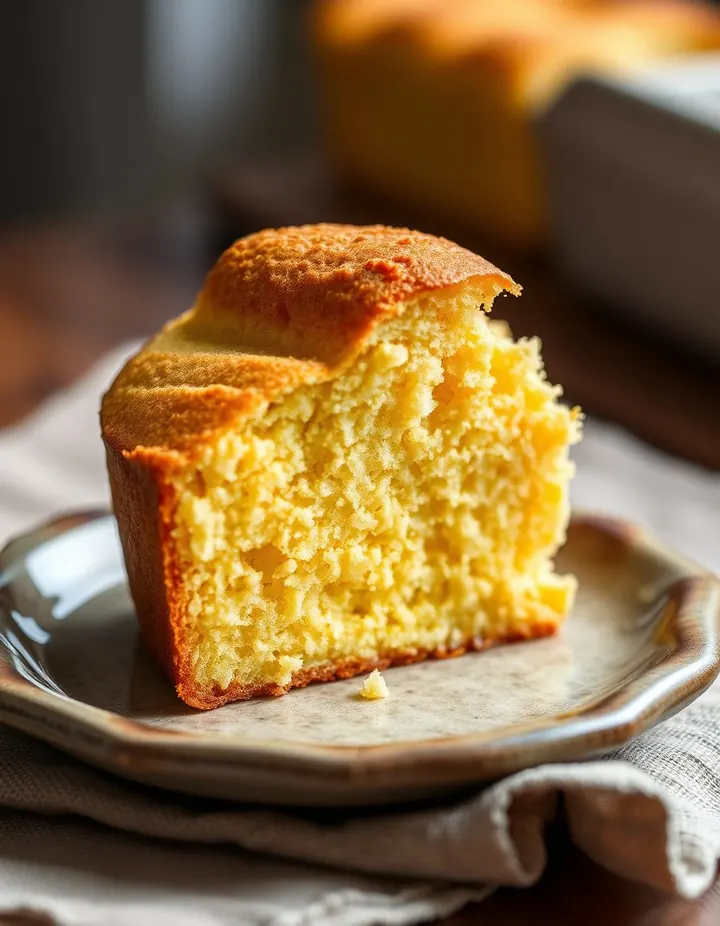 Cornbread345 recipes
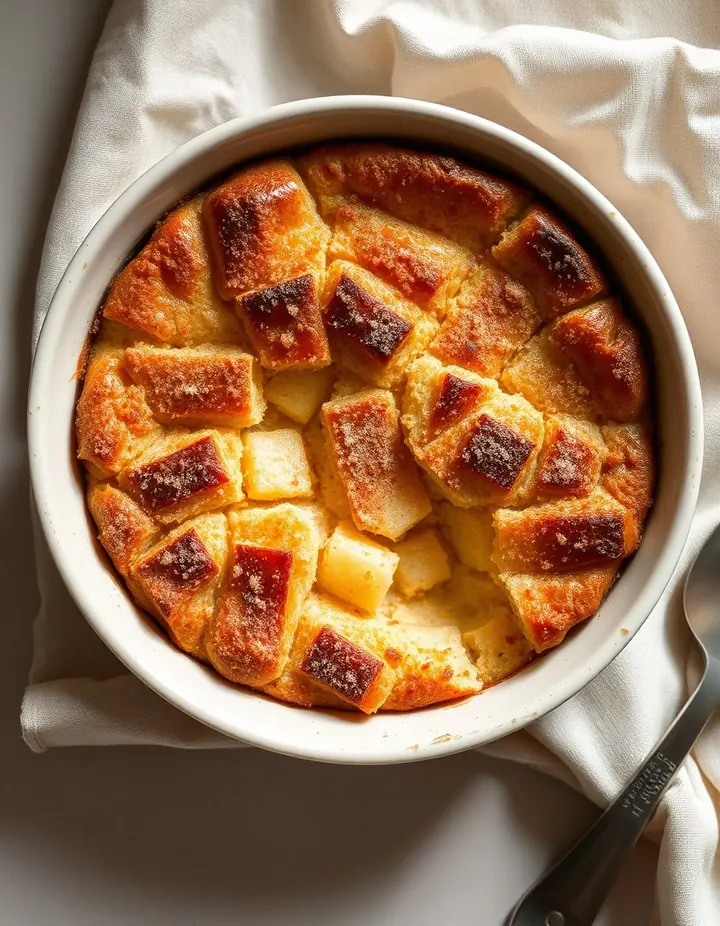 Bread Pudding336 recipes
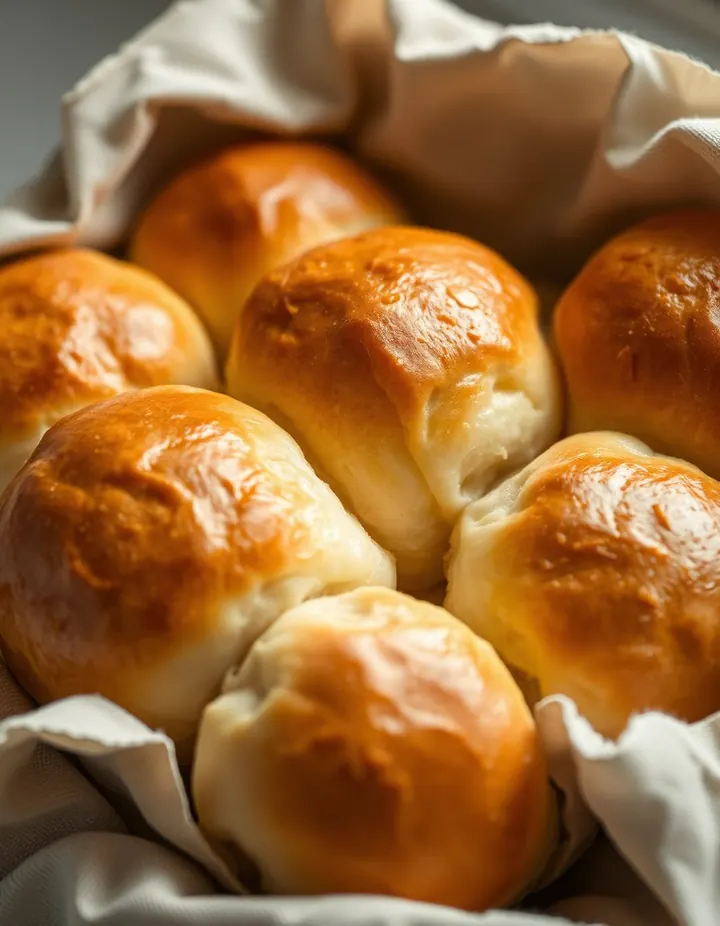 Milk Bread Rolls242 recipes
 Potato Bread124 recipes
The Sunday pairing: one pairing, the chemistry behind it, and how to cook it. No spam, unsubscribe anytime.
Prefer an account? Create a free account for sign-in; Pro adds the full results and chemistry.