Why it works: Parsley and lemon match in chemistry and in kitchens. They rank in the top 1% of all ingredient pairs, and cooks put them together in 14,037 recipes. Both carry beta-phellandrene, which smells minty, terpene. The science ↓
Dolmades Yalatzi
Ingredients
Directions
Prepare the filling
Drain the vine leaves.
Saute the onions in half the olive oil until golden.
Add the rice, salt, pepper, parsley, dill, mint, and half a glass of water.
Cook until the water is absorbed.
Roll the dolmades
Use a teaspoon to measure the portion of rice mixture for each leaf.
Place the appropriate portion of rice on each leaf and fold to form a parcel.
In a large saucepan, arrange the vine leaves close together.
Place a plate on top to keep them from opening.
Cook and serve
Add the remaining olive oil, 2 cups boiling water, and lemon juice.
Cook over low heat.
Serve the vine leaves cold with egg and lemon sauce.
Nutrition, whole recipe (rough)
Counts 8 of 9 ingredients. The other 1 aren't in our nutrition table and add nothing above, so the real totals are higher.
What these numbers assume: 8 portions
| Ingredient | Portion assumed | kcal |
|---|---|---|
| Rice | 1 cup cooked (158g) white | 206 |
| Olive Oil | 1 tbsp (14g) | 119 |
| Onion | 1 medium (110g) | 44 |
| Lemon | juice of 1 lemon (48ml) | 12 |
| Black Pepper | 1 tsp ground (2.3g) | 6 |
| Dill | 5 sprigs fresh (1g) / 1 tsp dried | 4 |
| Parsley | 1 tbsp chopped fresh (3.8g) | 1 |
| Salt | 1 tsp (6g) | 0 |
| Peppermint | not in our table | 0 |
One typical portion per ingredient; the recipe's quantities are not counted. A rough guide only, not for medical or dietary planning.
Steps grouped into stages for easier reading; the method is the source's own.
Explore the science
The flavor team
The pairs that carry this dish. Each one is judged two ways: how much their aromas overlap, and how often cooks already put them together.
-
Parsley + lemontop 1% of all pairsSmell alikestrongCooked together14,037 recipes
Shared aroma: beta-phellandrene (minty, terpene).
-
Dill + parsleytop 1% of all pairsSmell alikestrongCooked together669 recipes
Shared aroma: p-mentha-1,3,8-triene (camphor, herbal).
-
Dill + lemontop 1% of all pairsSmell alikestrongCooked together976 recipes
Shared aroma: beta-phellandrene (minty, terpene).
-
Pepper + parsleytop 2% of all pairsSmell alikestrongCooked together34,122 recipes
Shared aroma: 4'-methylacetophenone (bitter almond).
-
Pepper + lemontop 3% of all pairsSmell alikestrongCooked together27,047 recipes
Shared aroma: trans-2-nonenal (cardboard, fatty).
Ranks compare each pair with 20,000 random ingredient pairs on CompKitchen. How we score pairs
What each ingredient does
- Rice
- Absorbs liquid and swells as it cooks, giving the filling its body and soft texture.
- Onions
- Softened and browned in oil, they add sweetness and a savoury base to the filling.
- Olive oil
- Carries flavour and adds richness, and keeps the filling and leaves moist as they cook.
- Vine leaves
- Wrap the filling into neat parcels and hold it together while it cooks.
- Lemon
- Adds acidity that brightens the flavour of the herbs and rich oil.
The step that matters
Place a plate on top of the leaves. Rolled leaves tend to unfurl as liquid simmers and steam builds. A weight on top keeps the parcels closed and seam-side down, so they hold their shape and cook evenly.
Swap the onion
How well each one fits the dish's main ingredients (olive, rice, pepper, dill, parsley, mint, lemon):
- Carrotfits better
- Cucumberfits better
- Spinachfits better
- Onionthe original
Fit is the average pairing score against olive, rice, pepper, dill, parsley, mint, lemon. Candidates are from the same food group and used in at least 100 recipes.
“What each ingredient does” and “The step that matters” were written by Claude from this recipe’s own method and reviewed in samples by CompKitchen.
You might also like
 Lemon Sauce236 recipes
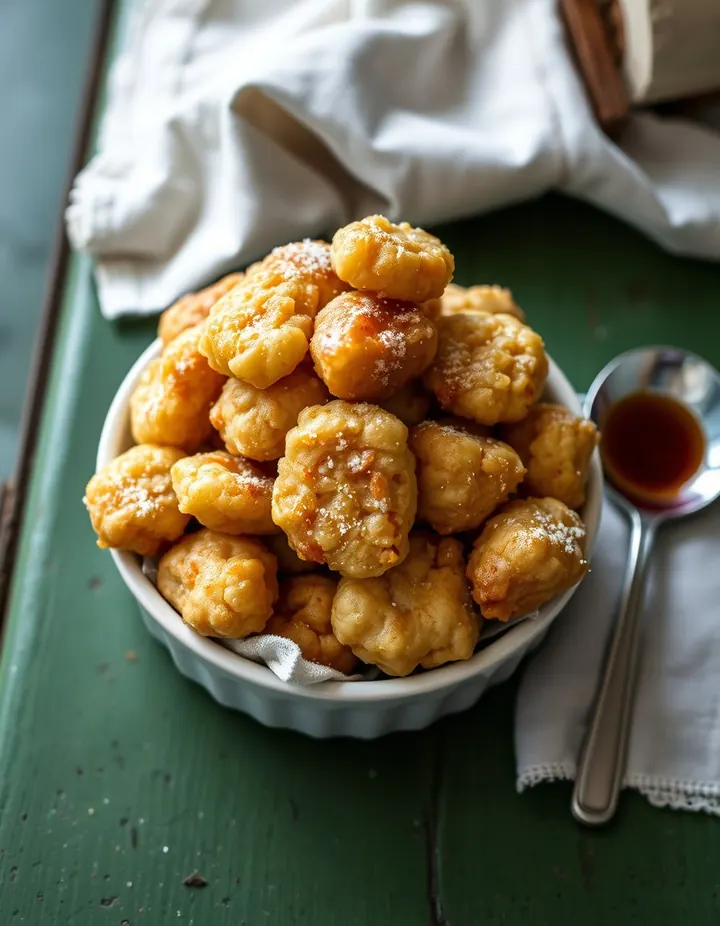 Rice Fritters84 recipes
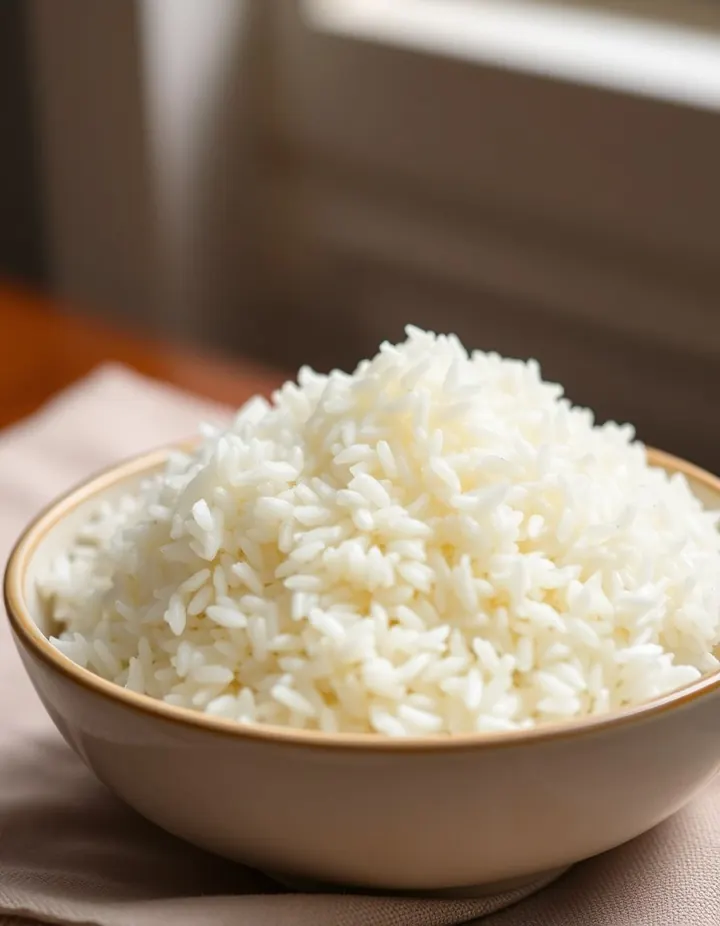 Steamed Rice48 recipes
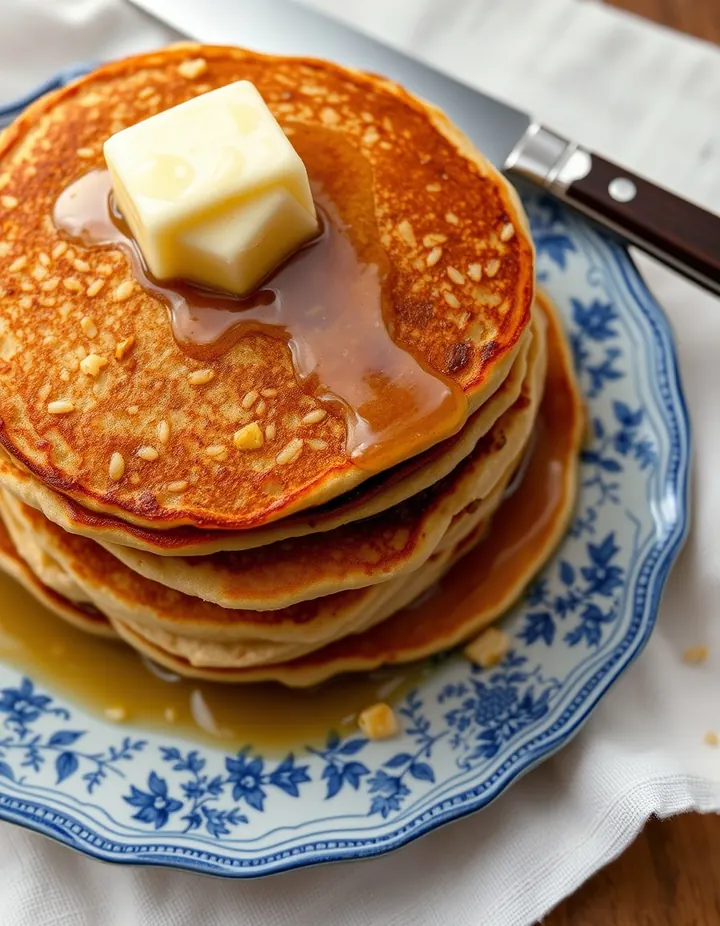 Rice Griddle Cakes28 recipes
The free Flavor Lab newsletter: one surprising pairing a week and the molecular reason it works, in 60 seconds. No spam, unsubscribe anytime.
Prefer an account? Create a free account to save pairings and unlock the full chemistry.