Why it works: Rum and milk work together. They rank in the top 12% of all ingredient pairs, and cooks put them together in 967 recipes. Both carry ethyl 2-methylbutyrate, which smells fruity, apple. The science ↓
Rote Grütze
Ingredients
Directions
Prepare the fruit
Wash fruit and pick through for stems, reserving 3/4 cup of stems.
Combine the remaining fruit with water (reserving 1 cup) and sugar in a saucepan.
Bring the mixture to a boil.
Cook the fruit over medium heat until done but still holding its shape.
Sweeten to taste with more sugar, if needed.
Thicken and finish
Stir corn starch into the reserved water until dissolved.
Stir the dissolved corn starch into the juice.
Bring the mixture to a boil.
Cook until thickened.
Remove from heat.
Blend in the rum if desired.
Mash the reserved, uncooked fruit in a blender.
Stir the mashed fruit into the thickened juice.
Serve
Eat the Rote Grütze hot or cold.
Serve with cold milk or cream.
Nutrition, whole recipe (rough)
Counts 10 of 12 ingredients. The other 2 aren't in our nutrition table and add nothing above, so the real totals are higher.
What these numbers assume: 10 portions
| Ingredient | Portion assumed | kcal |
|---|---|---|
| Flour | 1 cup (125g) all-purpose | 455 |
| Milk | 1 cup (244ml) whole | 149 |
| Cherry | 1 cup (138g) | 87 |
| Raspberry | 1 cup (123g) | 64 |
| Grape | 1/2 cup (76g) | 62 |
| Cream | 1 tbsp (15ml) heavy | 51 |
| Strawberry | 1 cup (152g) | 49 |
| Sugar | 1 tbsp (12.5g) granulated | 49 |
| Rum | 1/2 oz (15ml) | 32 |
| Plum | 1 medium (66g) | 30 |
| Fruit | not in our table | 0 |
| Water | not in our table | 0 |
One typical portion per ingredient; the recipe's quantities are not counted. A rough guide only, not for medical or dietary planning.
Steps grouped into stages for easier reading; the method is the source's own.
Explore the science
The flavor team
The pairs that carry this dish. Each one is judged two ways: how much their aromas overlap, and how often cooks already put them together.
-
Rum + milktop 12% of all pairsSmell alikemoderateCooked together967 recipes
Shared aroma: ethyl 2-methylbutyrate (fruity, apple).
-
Currant + rumtop 13% of all pairsSmell alikemoderateCooked together155 recipes
Shared aroma: ethyl cinnamate (sweet, balsamic).
-
Sugar + rumtop 14% of all pairsSmell alikelowCooked together2,908 recipes
Shared aroma: beta-damascenone (apple, rose).
-
Currant + milktop 16% of all pairsSmell alikelowCooked together5,475 recipes
Shared aroma: isoamyl acetate (banana, pear).
-
Sugar + milktop 18% of all pairsSmell alikelowCooked together77,875 recipes
Shared aroma: 2-nonenal (fatty, green).
Sugar and milk barely smell alike, yet cooks put them together in 77,875 recipes: they work on texture and structure more than aroma.
Ranks compare each pair with 20,000 random ingredient pairs on CompKitchen. How we score pairs
What each ingredient does
- Currants or raspberries or brambleberries or strawberries or sour cherries or plums
- Provide the fruit flavor, color, and pectin-rich juice that forms the pudding base.
- Sugar
- Adds sweetness and balances the tartness of the fruit.
- Cornstarch
- Thickens the fruit juice into a glossy, set pudding when boiled.
The step that matters
Thickening the cornstarch. Cornstarch must be fully dissolved in cold water before it goes into the hot juice, otherwise it clumps. It thickens only when the mixture reaches a boil and is cooked until clear and thickened, so it should not be removed from heat too early.
Swap the currant
How well each one fits the dish's main ingredients (sugar, rum, milk):
- Vanillafits better
- Pineapplefits better
- Bananafits better
- Currantthe original
Fit is the average pairing score against sugar, rum, milk. Candidates are from the same food group and used in at least 100 recipes.
“What each ingredient does” and “The step that matters” were written by Claude from this recipe’s own method and reviewed in samples by CompKitchen.
You might also like
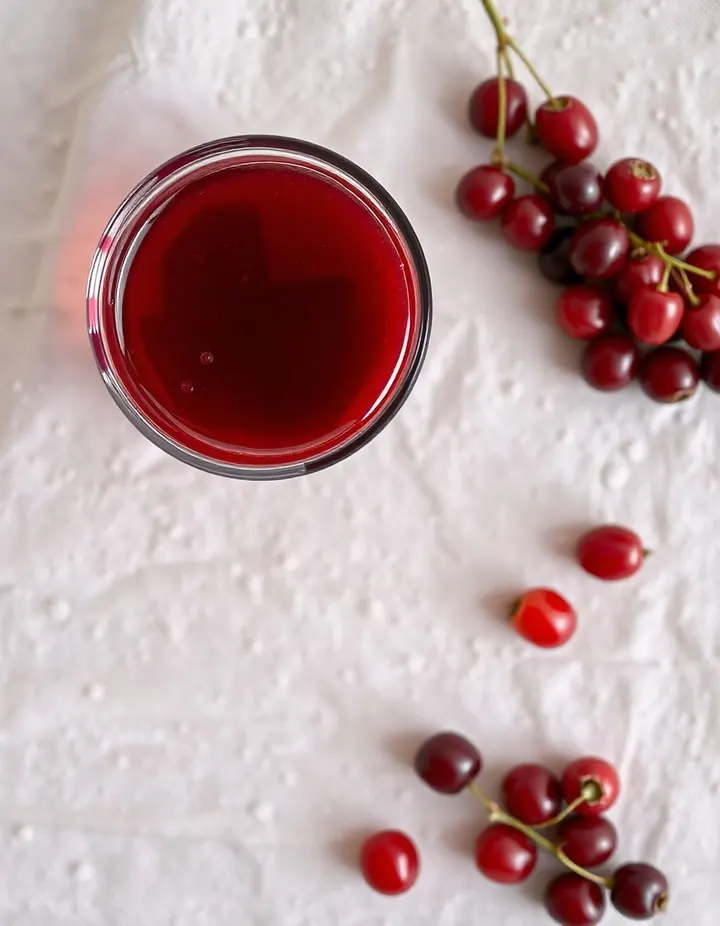 Red Currant Jelly65 recipes
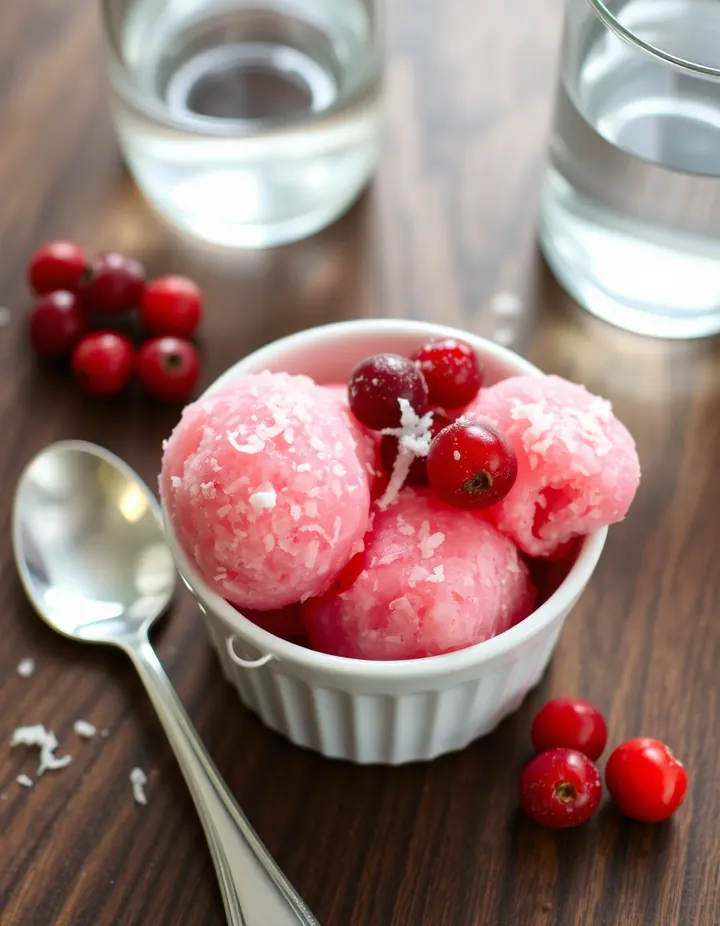 Currant Ice Cream32 recipes
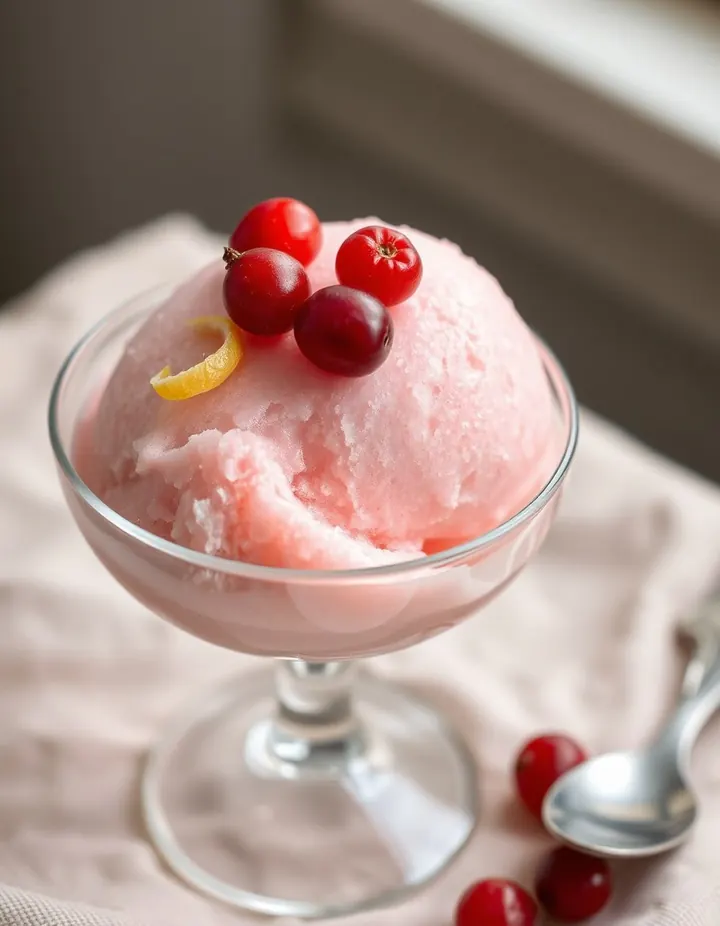 Currant Sherbet9 recipes
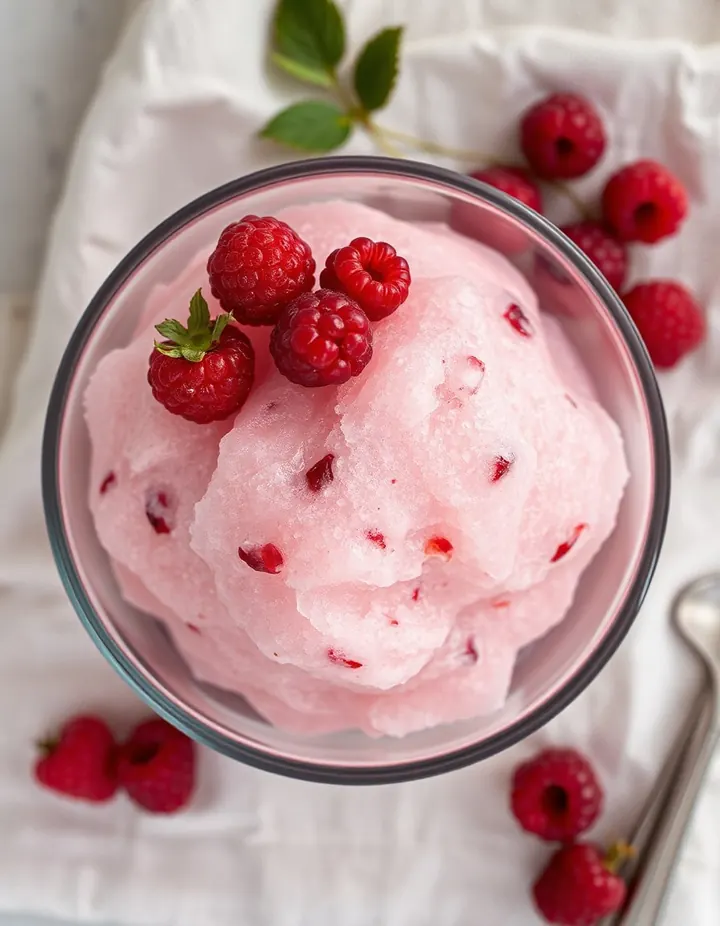 Currant and Raspberry Ice7 recipes
The free Flavor Lab newsletter: one surprising pairing a week and the molecular reason it works, in 60 seconds. No spam, unsubscribe anytime.
Prefer an account? Create a free account to save pairings and unlock the full chemistry.