Why it works: Lemon and lime match in chemistry and in kitchens. They rank in the top 2% of all ingredient pairs, and 1,289 recipes mention both. Both carry beta-phellandrene, which smells minty, terpene. The science ↓
The recipe
Ingredients
Contains: fish (auto-detected from the ingredients and method; we can miss things, so check labels)
Directions
Marinate the fish
Pour 1 cup of the Marinade into a resealable plastic bag, add the fish, seal, shake to coat, and refrigerate for 1 hour to marinate. Reserve the remaining Marinade.
Place the wood chips in water to soak, or place the wood pellets in a heavy-duty aluminum foil packet with holes poked into it. Prepare a hot fire.
Grill and serve
When ready to grill, place the drained wood chips or foil packet on the fire. Set an oiled grill wok on the rack above the fire. Transfer the ingredients to the grill wok, using a slotted spoon to drain the excess Marinade.
Stir-grill the fish and lemon and lime slices with two long-handled wooden spoons or grill spatulas until the fish is opaque, 3 to 5 minutes. Close the grill and cook for 3 to 4 minutes more.
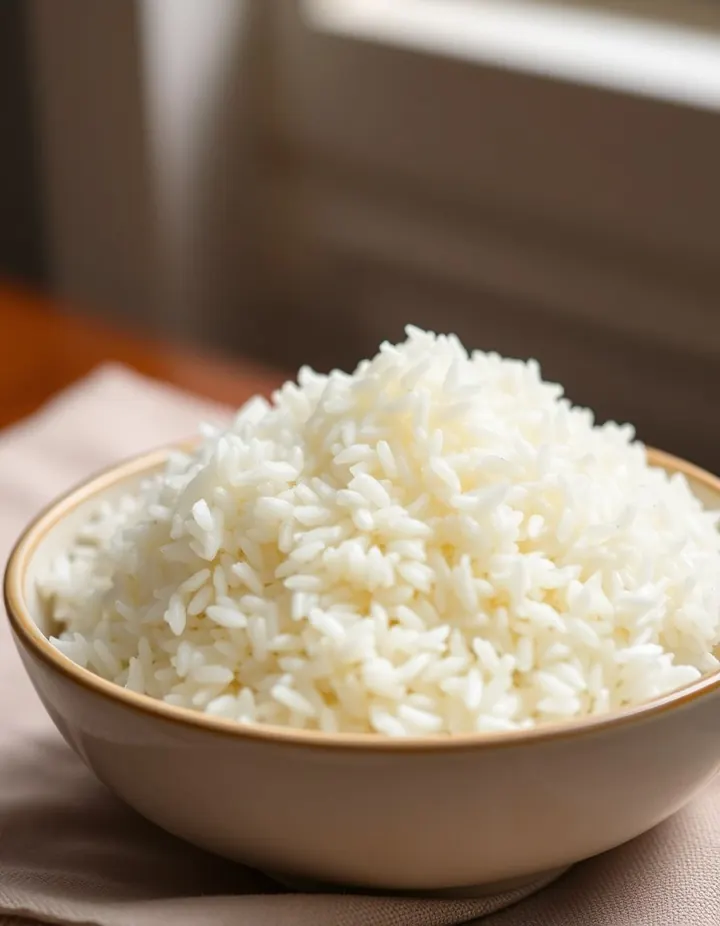
Serve the fish and citrus slices over rice and drizzle with the remaining Marinade.
Make the marinade
To make the Marinade, combine citrus juices and olive oil in a medium-size bowl, whisking constantly until thoroughly blended. Add garlic, basil, and mint and season with salt and pepper. Keep tightly covered in the refrigerator for several days. Makes 2 cups.
This recipe comes from the Recipes Wiki on Fandom and is licensed CC BY-SA 4.0. Our formatting and summaries are shared under the same licence.
Steps grouped into stages for easier reading; the method is the source's own.
Explore the science
The flavor team
The pairs that carry this dish. Each one is judged two ways: how much aroma chemistry they share, and how many recipes mention both.
-
Lemon + limetop 2% of all pairsAroma overlapstrongMentioned together1,289 recipes
Shared aroma: beta-phellandrene (minty, terpene).
-
Lime + minttop 1% of all pairsAroma overlapstrongMentioned together846 recipes
Shared aroma: beta-phellandrene (minty, terpene).
-
Lemon + basiltop 2% of all pairsAroma overlapstrongMentioned together1,820 recipes
Shared aroma: 3-hexenal (apple, fruity).
-
Lemon + minttop 2% of all pairsAroma overlapstrongMentioned together1,998 recipes
Shared aroma: beta-phellandrene (minty, terpene).
-
Lime + basiltop 3% of all pairsAroma overlapstrongMentioned together505 recipes
Shared aroma: eucalyptol (eucalyptus, herbal).
Ranks compare each pair with 20,000 random ingredient pairs on CompKitchen. How we score pairs
What each ingredient does
- Catfish
- Firm white flesh that becomes opaque and flaky when cooked through over heat.
- Olive oil
- Carries fat-soluble aroma and keeps the fish moist during marinating and grilling.
- Lemon and lime juice
- Acidity that flavors the fish and begins to firm its surface during marinating.
- Garlic
- Pungent aroma that mellows and infuses the marinade.
- Fresh basil and mint
- Fresh herbal aroma that brightens the marinade and finished dish.
The step that matters
Stir-grilling the fish until opaque. Fish cooks quickly and dries out when overcooked. Checking for opaque flesh, rather than relying only on time, helps keep it moist and flaky.
Flavor stand-ins for the garlic
How well each one fits the dish's main ingredients (catfish, lemon, lime, rice, olive, basil, mint):
- Corianderbetter flavor fit
- Oreganobetter flavor fit
- Thymebetter flavor fit
- Garlicthe original
Fit is the average pairing score against catfish, lemon, lime, rice, olive, basil, mint. Candidates are from the same food group and used in at least 100 recipes. This compares flavor only: it does not check the job the ingredient does in the dish (bulk, moisture, acidity, structure).
“What each ingredient does” and “The step that matters” were written by Claude from this recipe’s own method and reviewed in samples by CompKitchen.
You might also like
 Illustration
 Illustration
 Illustration
 Illustration
The Sunday pairing: one pairing, the chemistry behind it, and how to cook it. No spam, unsubscribe anytime.
Prefer an account? Create a free account for sign-in; Pro adds the full results and chemistry.