Why it works: Flour and raisin match in chemistry and in kitchens. They rank in the top 1% of all ingredient pairs, and cooks put them together in 9,075 recipes. Both carry isobutyraldehyde, which smells malty, green. The science ↓
Fat-free Pumpkin Raisin Cake
Ingredients
Directions
Prepare and bake
Spray a 9-inch square baking pan with cooking spray.
In a large bowl, combine dry ingredients; stir until smooth.
Pour batter into prepared pan.
Bake in a 350°F oven for 35 minutes or until a toothpick inserted in center comes out clean.
Cool in pan on a wire rack.
Make the yogurt cream sauce
Line a strainer with paper coffee filter or cheesecloth layers.
Add yogurt, set over bowl and refrigerate for 4 hours.
Discard drained liquid.
Combine thickened yogurt and sifted confectioners' sugar; stir until smooth.
Makes about ½ cup sauce.
Serve
If desired, serve with fat-free yogurt cream sauce.
Nutrition, whole recipe (rough)
Counts 11 of 15 ingredients. The other 4 aren't in our nutrition table and add nothing above, so the real totals are higher.
What these numbers assume: 11 portions
| Ingredient | Portion assumed | kcal |
|---|---|---|
| Flour | 1 cup (125g) all-purpose | 455 |
| Milk | 1 cup (244ml) whole | 149 |
| Yogurt | 170g plain Greek | 100 |
| Egg | 1 large egg (50g) | 78 |
| Corn | 1/2 cup kernels (82g) | 77 |
| Grape | 1/2 cup (76g) | 62 |
| Orange | 1 medium (131g) | 62 |
| Cream | 1 tbsp (15ml) heavy | 51 |
| Sugar | 1 tbsp (12.5g) granulated | 49 |
| Vanilla | 1 tsp extract (4ml) | 12 |
| Salt | 1 tsp (6g) | 0 |
| Pumpkin | not in our table | 0 |
| Pie | not in our table | 0 |
| Syrup | not in our table | 0 |
| Sauce | not in our table | 0 |
One typical portion per ingredient; the recipe's quantities are not counted. A rough guide only, not for medical or dietary planning.
Steps grouped into stages for easier reading; the method is the source's own.
Explore the science
The flavor team
The pairs that carry this dish. Each one is judged two ways: how much their aromas overlap, and how often cooks already put them together.
-
Flour + raisintop 1% of all pairsSmell alikestrongCooked together9,075 recipes
Shared aroma: isobutyraldehyde (malty, green).
-
Milk + corntop 10% of all pairsSmell alikemoderateCooked together6,955 recipes
Shared aroma: hexanal (green, grassy).
-
Corn + orangetop 11% of all pairsSmell alikemoderateCooked together586 recipes
Shared aroma: 2,4-decadienal (seaweed).
-
Raisin + orangetop 13% of all pairsSmell alikemoderateCooked together1,684 recipes
Shared aroma: beta-damascenone (apple, rose).
-
Flour + corntop 13% of all pairsSmell alikemoderateCooked together6,165 recipes
Shared aroma: isobutyraldehyde (malty, green).
Ranks compare each pair with 20,000 random ingredient pairs on CompKitchen. How we score pairs
What each ingredient does
- Flour
- Provides the structure that holds the cake together as it bakes.
- Eggs whites
- Add structure and lift to the batter as they set in the oven.
- Pumpkin
- Adds moisture and tenderness to the crumb.
- Baking soda
- Reacts with acidic ingredients to produce gas that helps the cake rise.
- Corn syrup
- Adds sweetness and moisture, helping the cake stay soft.
- Nonfat vanilla yogurt
- Becomes the thickened cream sauce, adding tang and a creamy texture.
The step that matters
Testing for doneness. Baking time varies with oven and pan, so the cake can look done early or be dry if overbaked. A toothpick inserted in the center should come out clean, showing the centre has set without drying the crumb.
Swap the pumpkin
How well each one fits the dish's main ingredients (flour, sugar, milk, raisin, egg, corn, orange):
- Vanillafits better
- Figfits better
- Lemonfits better
- Pumpkinthe original
Fit is the average pairing score against flour, sugar, milk, raisin, egg, corn, orange. Candidates are from the same food group and used in at least 100 recipes.
“What each ingredient does” and “The step that matters” were written by Claude from this recipe’s own method and reviewed in samples by CompKitchen.
You might also like
 Orange Bundt Cake349 recipes
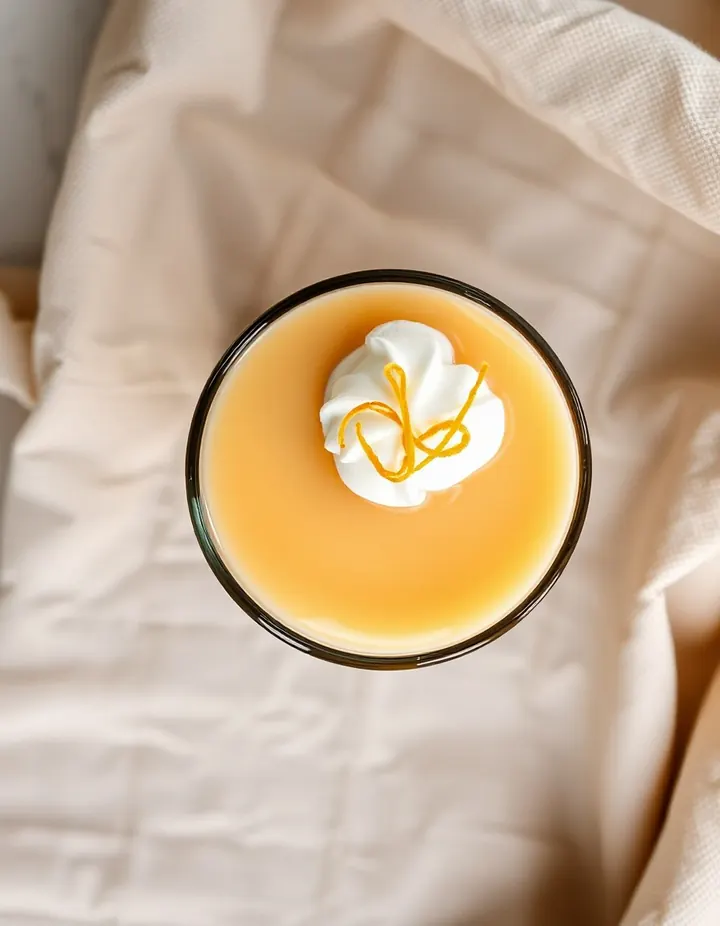 Orange Cream Rice Pudding121 recipes
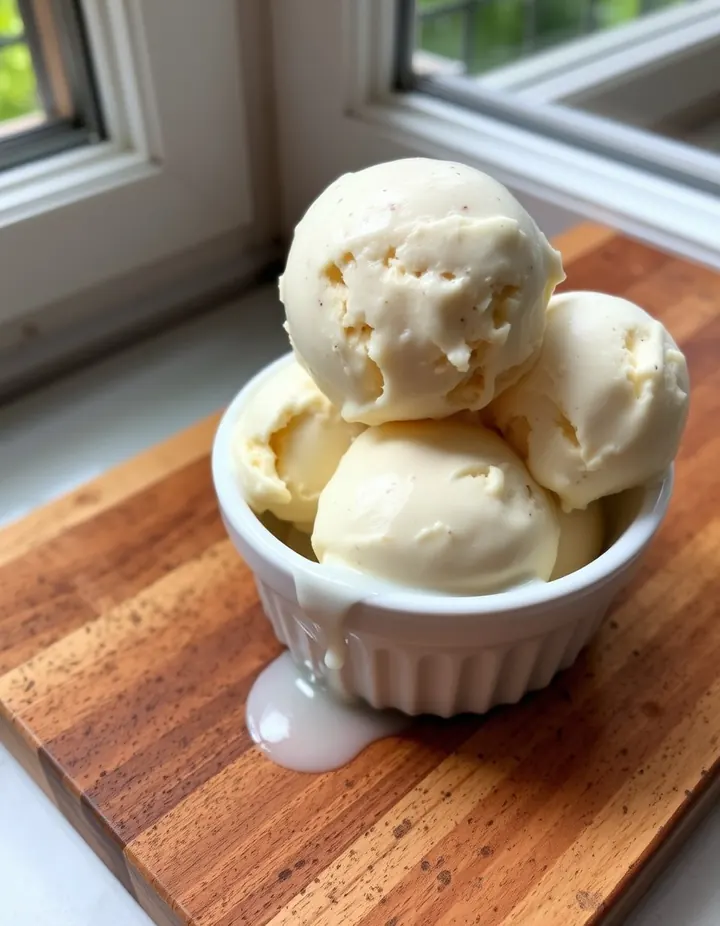 Vanilla Ice Cream108 recipes
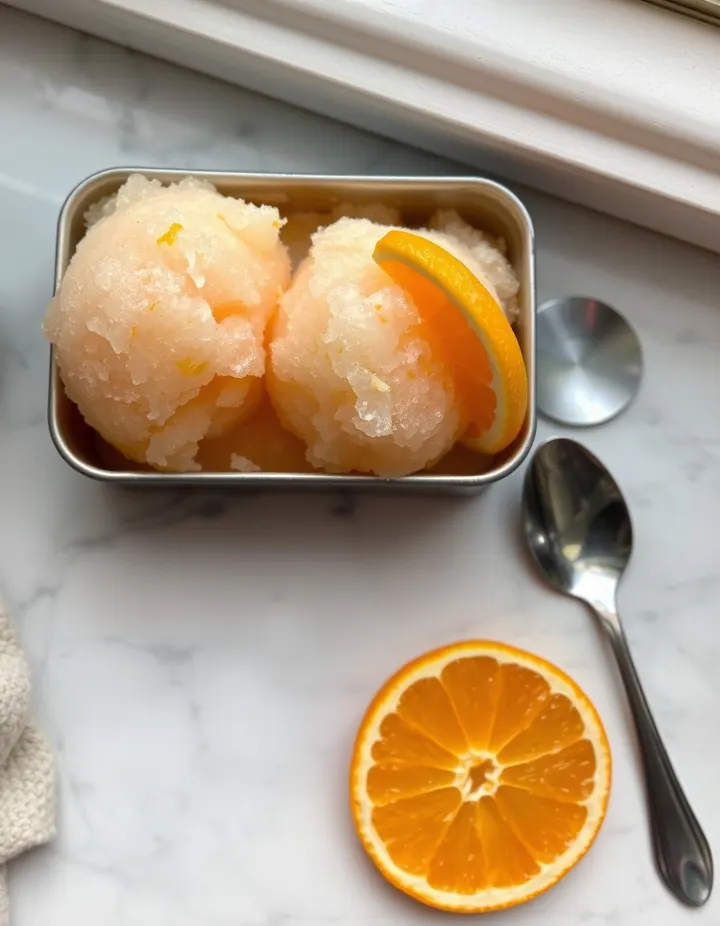 Orange Gelatin100 recipes
The free Flavor Lab newsletter: one surprising pairing a week and the molecular reason it works, in 60 seconds. No spam, unsubscribe anytime.
Prefer an account? Create a free account to save pairings and unlock the full chemistry.