Why it works: Sugar and flour are a kitchen classic. They rank in the top 15% of all ingredient pairs, and cooks put them together in 92,116 recipes. Both carry phenylacetaldehyde, which smells hawthorne, honey. The science ↓
Herbes De Provence French Bread
Ingredients
Directions
Make the dough
Stir the first five ingredients together to dissolve the yeast, sugar, and salt.
Stir in the flour.
Knead for 10 minutes.
Let rise, covered, until doubled in bulk.
Punch down, knead three or four times to remove air, then divide into four equal pieces.
Shape and bake
Shape each piece into a long loaf and place in a well-greased French bread pan; slash the top.
Brush the loaves with the egg white and let rise until doubled.
Bake 10 minutes in an oven preheated to 400°F, then reduce the heat to 350°F and bake 20 minutes longer, or until the loaves sound hollow when tapped.
Remove the loaves from the pans and cool on racks.
Wrap in aluminum foil and freeze if desired.
Nutrition, whole recipe (rough)
Counts 4 of 5 ingredients. The other 1 aren't in our nutrition table and add nothing above, so the real totals are higher.
What these numbers assume: 4 portions
| Ingredient | Portion assumed | kcal |
|---|---|---|
| Flour | 1 cup (125g) all-purpose | 455 |
| Egg | 1 large egg (50g) | 78 |
| Sugar | 1 tbsp (12.5g) granulated | 49 |
| Salt | 1 tsp (6g) | 0 |
| Water | not in our table | 0 |
One typical portion per ingredient; the recipe's quantities are not counted. A rough guide only, not for medical or dietary planning.
Steps grouped into stages for easier reading; the method is the source's own.
Explore the science
The flavor team
The pairs that carry this dish. Each one is judged two ways: how much their aromas overlap, and how often cooks already put them together.
-
Sugar + flourtop 15% of all pairsSmell alikemoderateCooked together92,116 recipes
Shared aroma: phenylacetaldehyde (hawthorne, honey).
-
Flour + eggtop 15% of all pairsSmell alikelowCooked together106,462 recipes
Shared aroma: isobutyraldehyde (malty, green).
-
Sugar + eggtop 21% of all pairsSmell alikemoderateCooked together122,807 recipes
Shared aroma: 2-nonenal (fatty, green).
Flour and egg barely smell alike, yet cooks put them together in 106,462 recipes: they work on texture and structure more than aroma.
Ranks compare each pair with 20,000 random ingredient pairs on CompKitchen. How we score pairs
What each ingredient does
- Flour
- Forms the gluten network that gives the loaves their structure and chew.
- Yeast
- Produces gas as it ferments, making the dough rise and become airy.
- Egg white
- Brushed on top, it helps the crust take on a glossy, golden color.
- Sugar
- Feeds the yeast and supports fermentation and browning of the crust.
The step that matters
Punch down and divide after the first rise. Knocking out the air and kneading briefly redistributes the yeast and evens the gas structure, so the four pieces rise and bake uniformly.
“What each ingredient does” and “The step that matters” were written by Claude from this recipe’s own method and reviewed in samples by CompKitchen.
You might also like
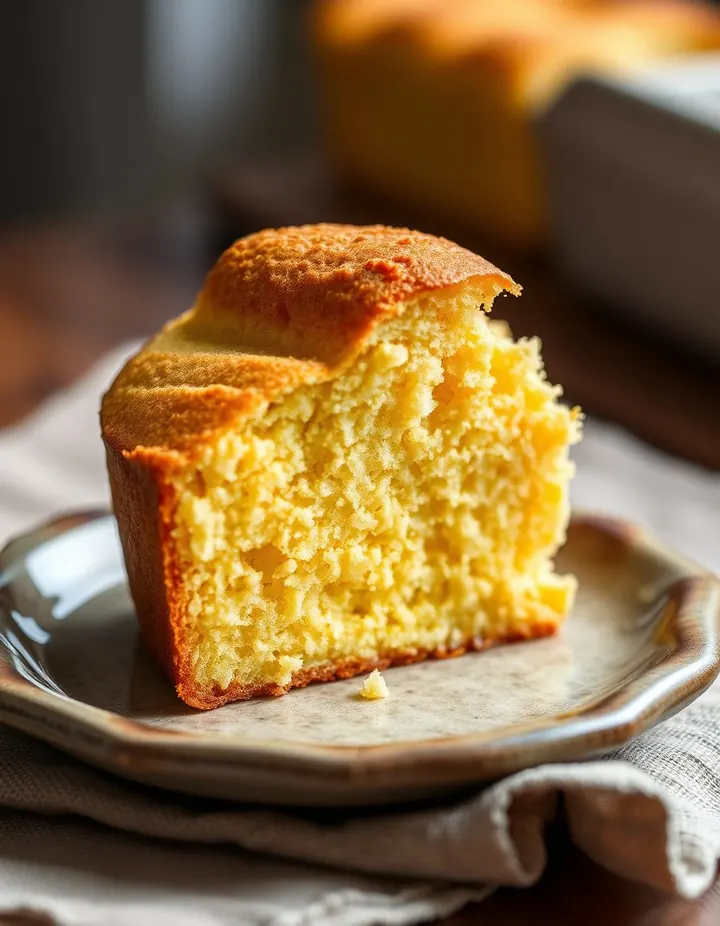 Cornbread345 recipes
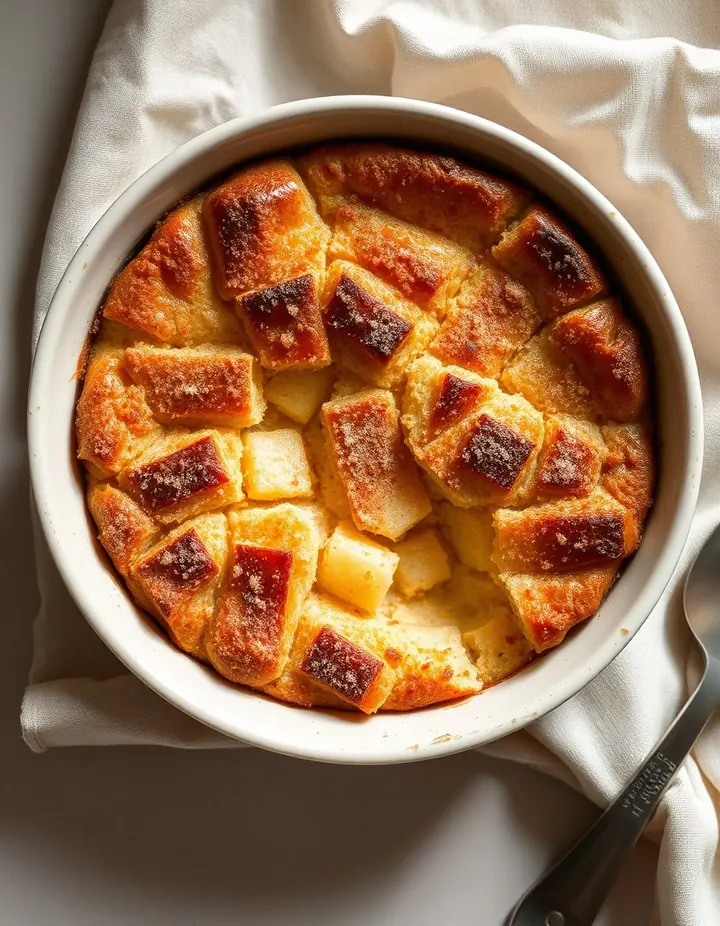 Bread Pudding336 recipes
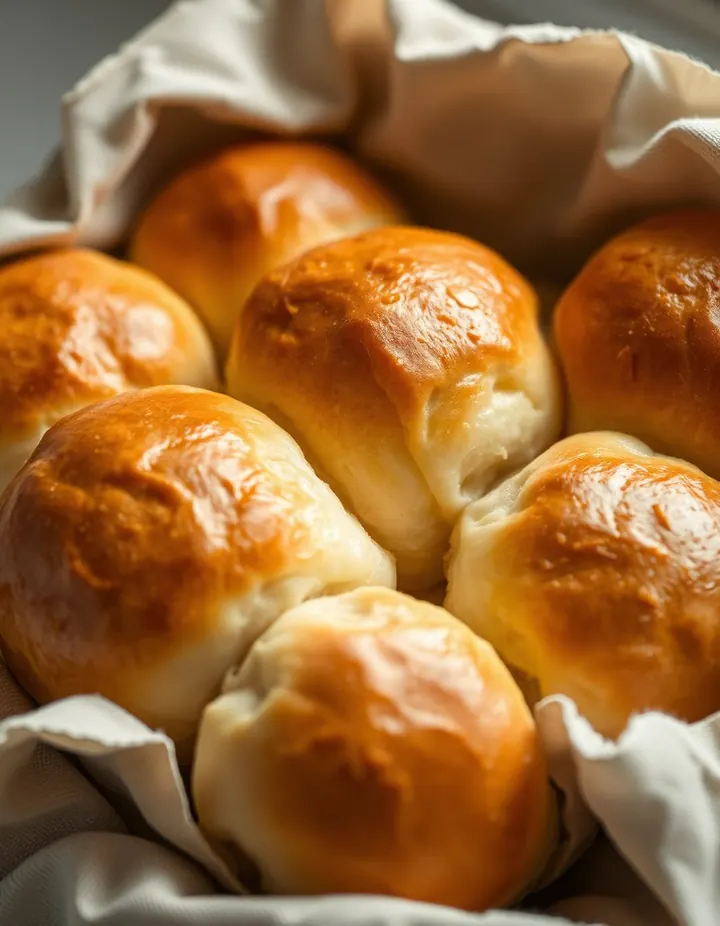 Milk Bread Rolls242 recipes
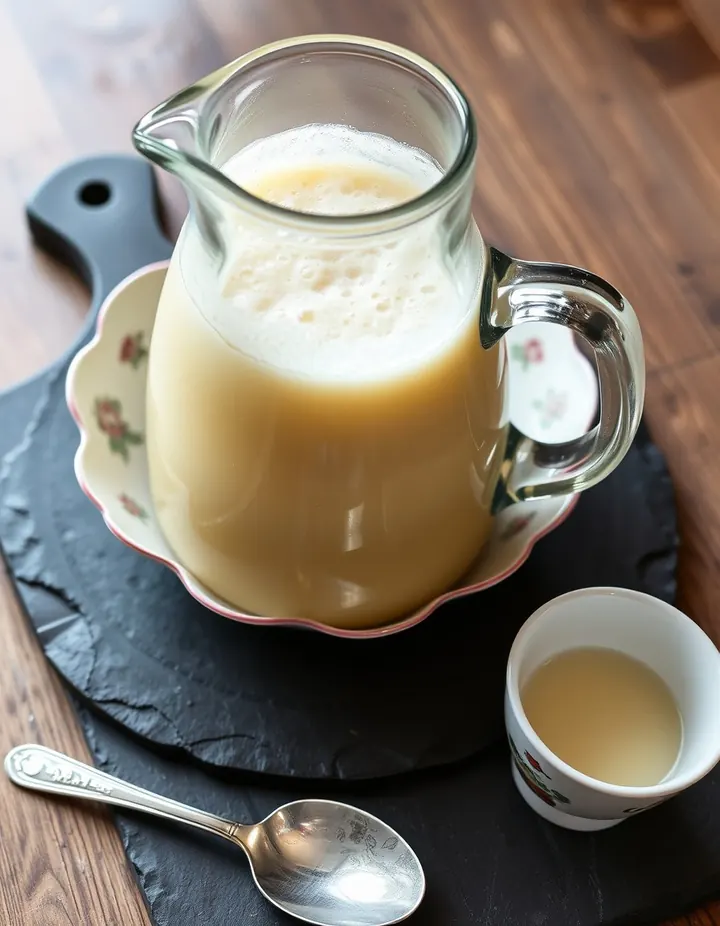 Potato Bread124 recipes
The free Flavor Lab newsletter: one surprising pairing a week and the molecular reason it works, in 60 seconds. No spam, unsubscribe anytime.
Prefer an account? Create a free account to save pairings and unlock the full chemistry.