Why it works: Peanut and rice match in chemistry and in kitchens. They rank in the top 4% of all ingredient pairs, and cooks put them together in 670 recipes. Both carry 2-acetyl-1-pyrroline, which smells popcorn, roasted. The science ↓
Gluten-free Peanut Butter Cookies
Ingredients
Directions
Make the dough
In bowl, cream together peanut butter and mashed potato until smooth.
Beat in sugar until fluffy.
Beat in egg.
Combine rice flour, cornstarch, cream of tartar and baking soda.
Add to peanut butter mixture; mix well.
Stir in vanilla.
Place in refrigerator for about 25 minutes until batter firms a bit.
Shape and bake
With hands gently form batter into round balls (1 tsp sized); place on nonstick baking sheet 2-½ inches apart.
Using fork that has been dipped into rice flour, flatten cookies to about ¼ inch thickness.
Sprinkle peanuts over top.
Bake in 375°F oven for about 15-20 minutes or until golden brown around edges.
Nutrition, whole recipe (rough)
What these numbers assume: 8 portions
| Ingredient | Portion assumed | kcal |
|---|---|---|
| Flour | 1 cup (125g) all-purpose | 455 |
| Rice | 1 cup cooked (158g) white | 206 |
| Peanut | 1 oz (28g) | 161 |
| Mashed Potato | 1 medium (173g) baked | 161 |
| Egg | 1 large egg (50g) | 78 |
| Cream | 1 tbsp (15ml) heavy | 51 |
| Sugar | 1 tbsp (12.5g) granulated | 49 |
| Vanilla | 1 tsp extract (4ml) | 12 |
One typical portion per ingredient; the recipe's quantities are not counted. A rough guide only, not for medical or dietary planning.
Steps grouped into stages for easier reading; the method is the source's own.
Explore the science
The flavor team
The pairs that carry this dish. Each one is judged two ways: how much their aromas overlap, and how often cooks already put them together.
-
Peanut + ricetop 4% of all pairsSmell alikestrongCooked together670 recipes
Shared aroma: 2-acetyl-1-pyrroline (popcorn, roasted).
-
Peanut + potatotop 5% of all pairsSmell alikestrongCooked together161 recipes
Shared aroma: 2-isobutyl-3-methoxypyrazine (green bell pepper, earthy).
-
Potato + ricetop 7% of all pairsSmell alikestrongCooked together851 recipes
Shared aroma: 2-acetyl-1-pyrroline (popcorn, roasted).
-
Butter + creamtop 8% of all pairsSmell alikemoderateCooked together41,516 recipes
Shared aroma: delta-dodecalactone (sweet, creamy).
-
Sugar + creamtop 9% of all pairsSmell alikemoderateCooked together43,450 recipes
Shared aroma: 2,3-butanedione (butter, sweet).
Ranks compare each pair with 20,000 random ingredient pairs on CompKitchen. How we score pairs
What each ingredient does
- Peanut butter
- Provides the main peanut flavour and fat, giving the cookies a tender, rich texture.
- Mashed potato
- Adds moisture, helping the cookies stay soft and tender without wheat flour.
- Sugar
- Sweetens the dough and helps it brown at the edges as it bakes.
- Egg
- Binds the dough together and adds structure as the cookies set.
- Rice flour
- Provides the main flour structure in this gluten-free dough.
- Baking soda
- Reacts with the cream of tartar to lift the cookies and encourage spreading and browning.
The step that matters
Flattening the shaped balls. The dough is sticky, so a fork dipped in rice flour keeps it from clinging. Even flattening to about a quarter inch helps the cookies bake evenly rather than staying thick in the middle.
Swap the peanut
How well each one fits the dish's main ingredients (butter, potato, sugar, egg, rice, flour, cream):
- Almondfits better
- Chestnutfits about as well
- Pistachiofits about as well
- Peanutthe original
Fit is the average pairing score against butter, potato, sugar, egg, rice, flour, cream. Candidates are from the same food group and used in at least 100 recipes.
“What each ingredient does” and “The step that matters” were written by Claude from this recipe’s own method and reviewed in samples by CompKitchen.
You might also like
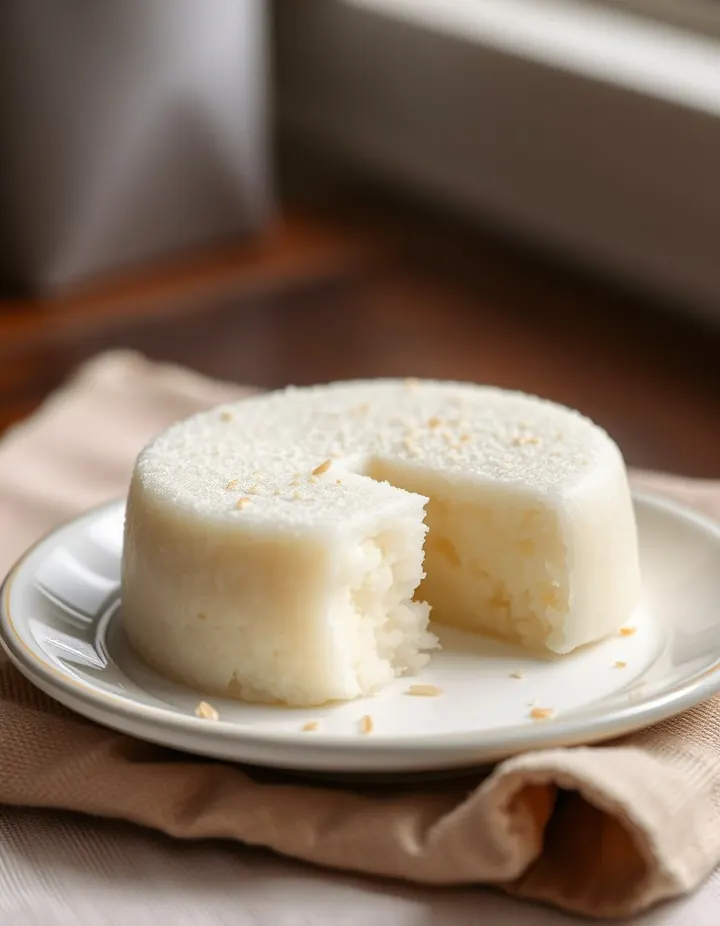 Rice Cake120 recipes
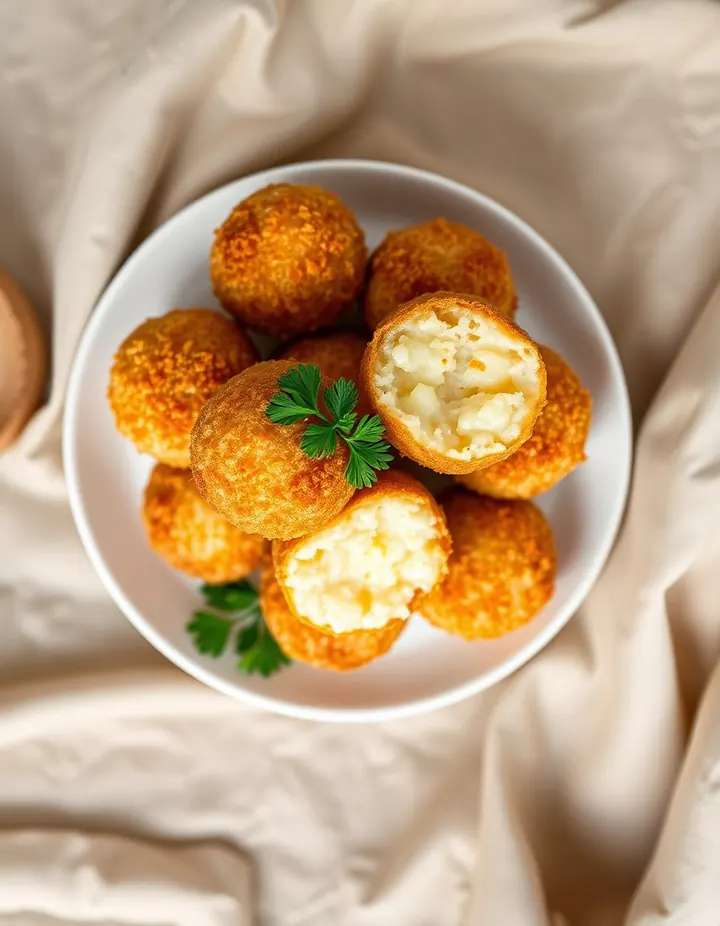 Deep-Fried Potato Balls119 recipes
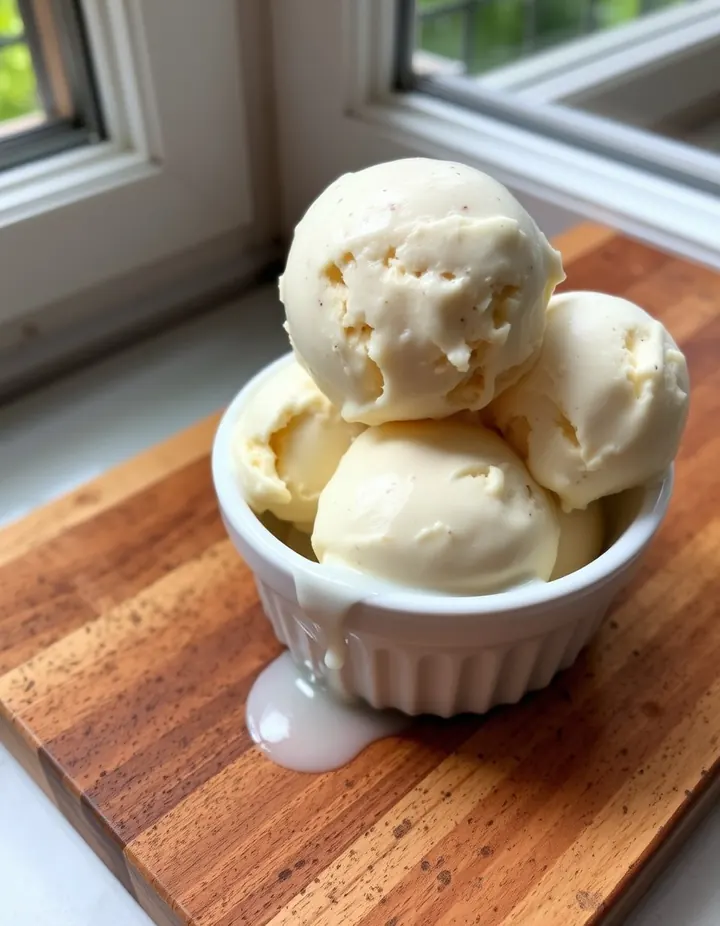 Vanilla Ice Cream108 recipes
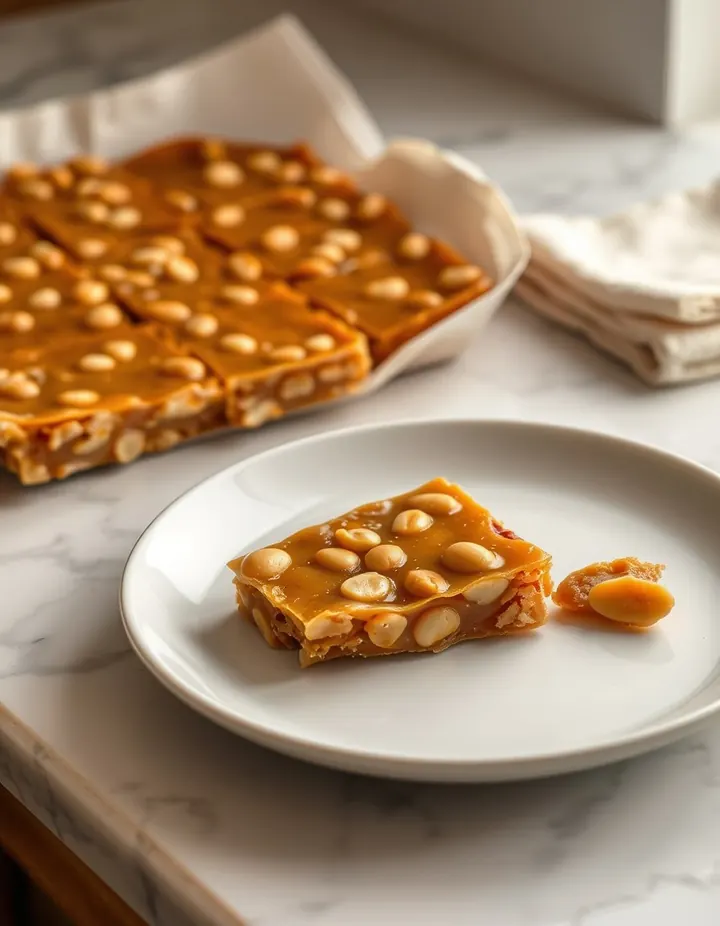 Peanut Candy82 recipes
The free Flavor Lab newsletter: one surprising pairing a week and the molecular reason it works, in 60 seconds. No spam, unsubscribe anytime.
Prefer an account? Create a free account to save pairings and unlock the full chemistry.