Why it works: Cinnamon and nutmeg match in chemistry and in kitchens. They rank in the top 1% of all ingredient pairs, and 11,917 recipes mention both. Both carry estragole, which smells anise, licorice. The science ↓
Apple Phyllo Rolls
Ingredients
Directions
Make the apple filling
Coat a nonstick skillet with cooking spray; place over medium heat until hot.
Add diced apple; sauté 8 to 10 minutes, stirring often.
Add cinnamon, nutmeg and brown sugar; stir well, and cook an additional 3 minutes.
Remove from heat, and let cool.
Assemble the rolls
Coat a flat surface with cooking spray; place 1 sheet of phyllo on surface (keep remaining phyllo covered).
Coat phyllo with butter‑flavored cooking spray.
Layer 2 more sheets phyllo on first sheet, coating each with cooking spray.
Cut vertically into 5 equal strips; cut strips in half to make 10 pieces.
Repeat process with remaining phyllo sheets, spraying each sheet with cooking spray.
Spoon 1 ½ tsp apple mixture at base of each strip; roll up, jelly roll fashion.
Place, seam side down, on a baking sheet coated with cooking spray.
Bake and glaze
Bake at 375 °F for 30 to 35 minutes or until golden.
Remove to wire rack to cool slightly.
Combine remaining ingredients in a small bowl; stir well.
Drizzle 1 ½ tsp glaze over each roll.
Serve warm.
This recipe comes from the Recipes Wiki on Fandom and is licensed CC BY-SA 4.0. Our formatting and summaries are shared under the same licence.
Steps grouped into stages for easier reading; the method is the source's own.
Explore the science
The flavor team
The pairs that carry this dish. Each one is judged two ways: how much aroma chemistry they share, and how many recipes mention both.
-
Cinnamon + nutmegtop 1% of all pairsAroma overlapstrongMentioned together11,917 recipes
Shared aroma: estragole (anise, licorice).
-
Cinnamon + vanillatop 1% of all pairsAroma overlapstrongMentioned together5,287 recipes
Shared aroma: 4-methoxybenzaldehyde (sweet, anise).
-
Apple + cinnamontop 4% of all pairsAroma overlapmoderateMentioned together5,598 recipes
Shared aroma: methyl cinnamate (strawberry).
-
Apple + vanillatop 8% of all pairsAroma overlapmoderateMentioned together1,501 recipes
Shared aroma: beta-damascenone (apple, rose).
-
Sugar + vanillatop 8% of all pairsAroma overlaplowMentioned together35,032 recipes
Shared aroma: beta-damascenone (apple, rose).
Sugar and vanilla share little aroma chemistry, yet 35,032 recipes mention both: they likely work on texture and structure more than aroma.
Ranks compare each pair with 20,000 random ingredient pairs on CompKitchen. How we score pairs
What each ingredient does
- Apple
- Provides the sweet, tender fruit filling that softens as it cooks.
- Phyllo pastry
- Forms thin, crisp layers that turn golden and flaky when baked.
- Brown sugar
- Adds sweetness and helps the apple filling caramelize slightly.
- Powdered sugar
- Makes a smooth, sweet glaze that sets lightly over the warm rolls.
The step that matters
Coat each phyllo layer with spray before rolling. Phyllo sheets dry out and stick together without fat between them. Thin coating keeps layers separate so they bake crisp and flaky rather than tough or doughy.
Flavor stand-ins for the nutmeg
How well each one fits the dish's main ingredients (butter, apple, cinnamon, sugar, vanilla):
- Nutmegthe original
- Cloveabout as good a flavor fit
Fit is the average pairing score against butter, apple, cinnamon, sugar, vanilla. Candidates are from the same food group and used in at least 100 recipes. This compares flavor only: it does not check the job the ingredient does in the dish (bulk, moisture, acidity, structure).
“What each ingredient does” and “The step that matters” were written by Claude from this recipe’s own method and reviewed in samples by CompKitchen.
You might also like
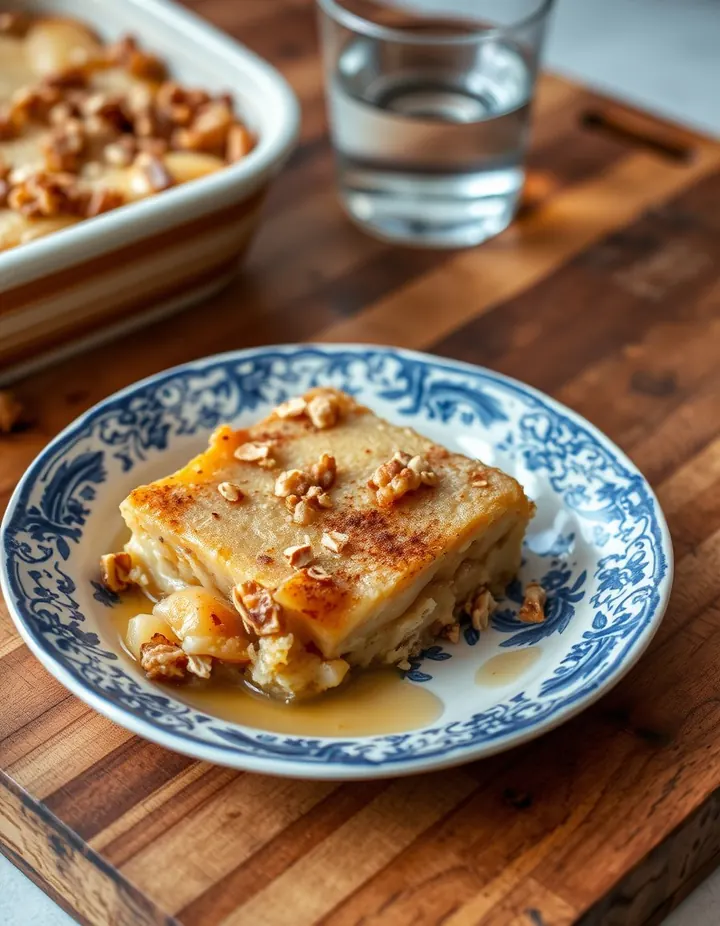 Apple Pudding256 recipes
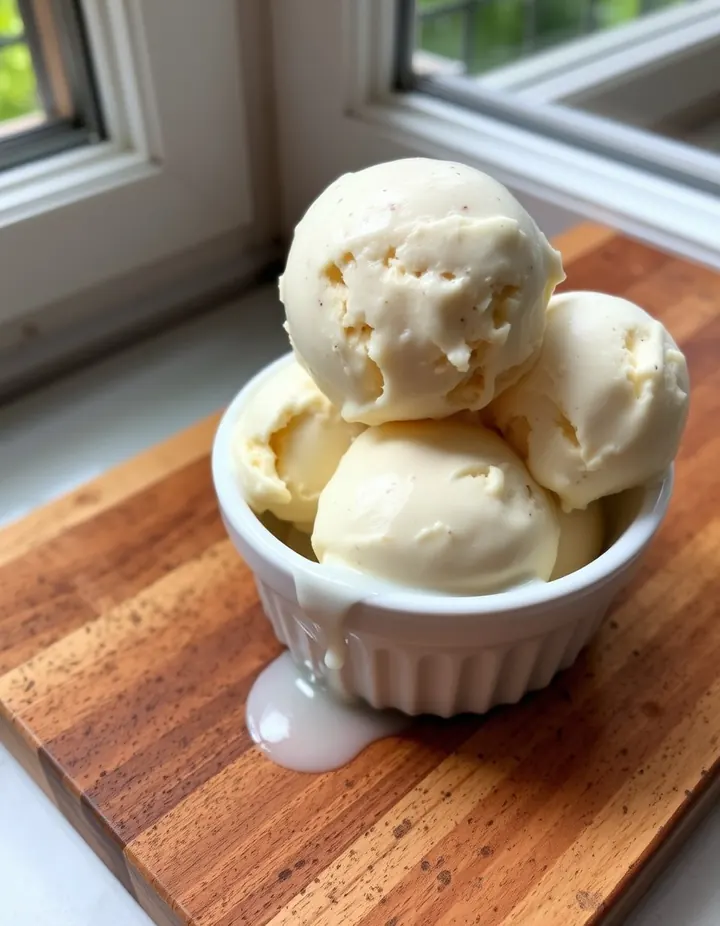 Vanilla Ice Cream108 recipes
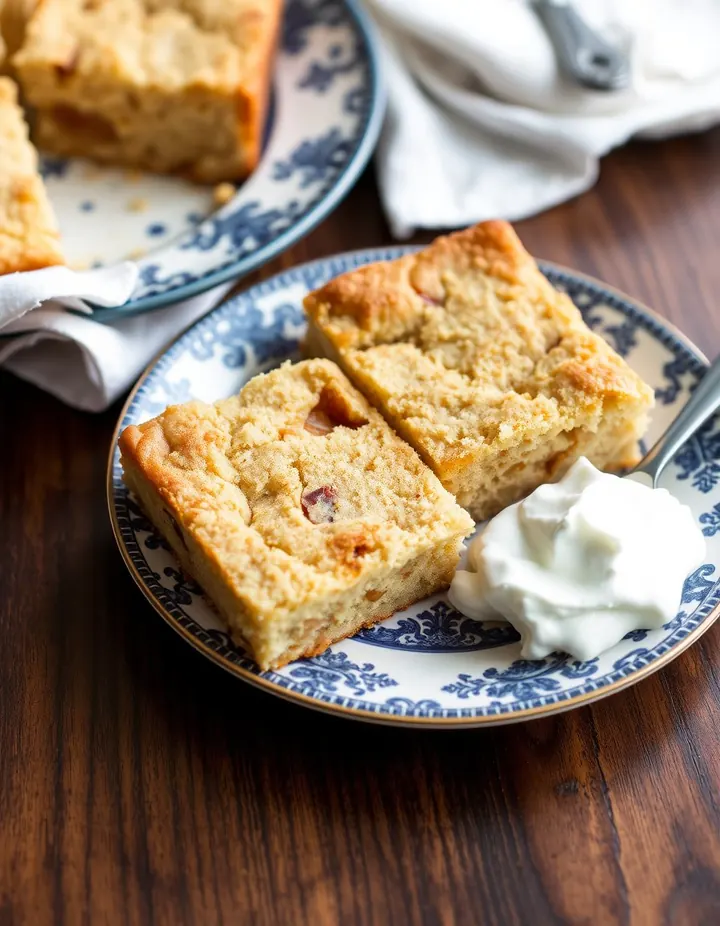 Apple Cake80 recipes
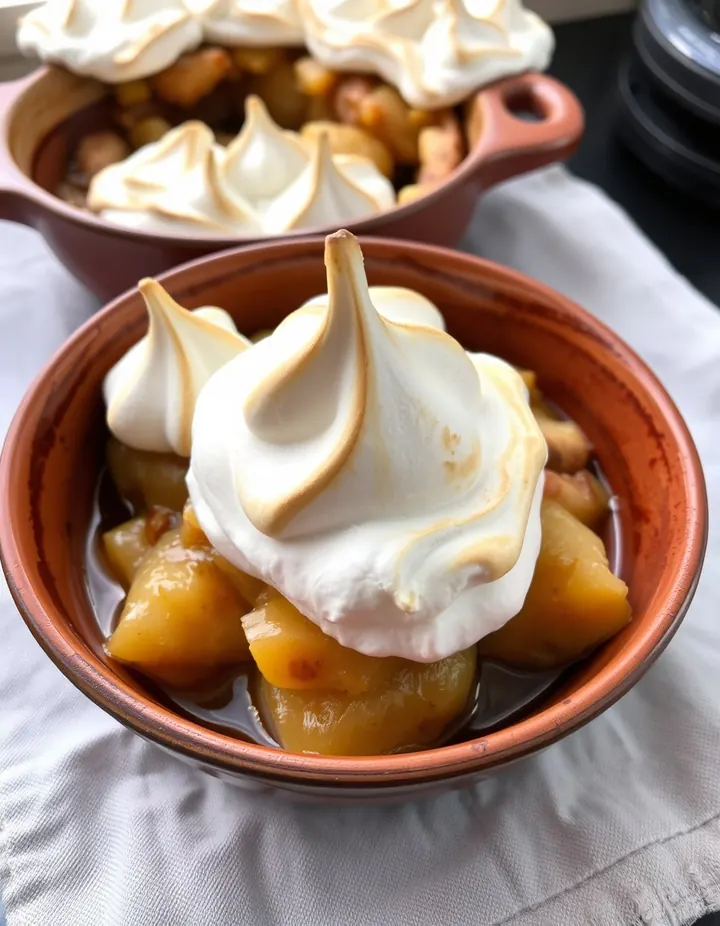 Apple Meringue75 recipes
The Sunday pairing: one pairing, the chemistry behind it, and how to cook it. No spam, unsubscribe anytime.
Prefer an account? Create a free account for sign-in; Pro adds the full results and chemistry.