Why it works: Tomato and olive are a kitchen classic. They rank in the top 1% of all ingredient pairs, and cooks put them together in 15,539 recipes. Both carry 3-hexenal, which smells apple, fruity. The science ↓
Grilled Polenta with White Bean Salad
Ingredients
Directions
Prepare the salad
Prepare a hot charcoal fire or preheat a gas grill on high.
Halve each tomato crosswise, gently squeeze seeds into a small bowl, strain the juices into a large bowl, discard the seeds, and dice the tomatoes.
Add vinegar, 1 tablespoon oil, salt, and pepper to the tomato juices and mix to blend. Add diced tomatoes, beans, scallions, basil, and olives; toss well.
Grill the polenta
Cut the polenta into eight ½‑inch‑thick slices; save the remainder for another use. Place the slices on a baking sheet.
Brush both sides of the slices with oil and season lightly with salt and pepper.
Lightly oil the grill rack and grill the polenta until nicely browned, 3 to 5 minutes per side.
Serve
Divide the bean salad among plates. Top with grilled polenta, garnish with basil sprigs, and serve immediately.
Nutrition, whole recipe (rough)
Counts 6 of 9 ingredients. The other 3 aren't in our nutrition table and add nothing above, so the real totals are higher.
What these numbers assume: 6 portions
| Ingredient | Portion assumed | kcal |
|---|---|---|
| Olive Oil | 1 tbsp (14g) | 119 |
| Onion | 1 medium (110g) | 44 |
| Tomato | 1 medium (123g) | 22 |
| Olive | 1 large (4g) | 4 |
| Vinegar | 1 tbsp (15ml) distilled | 3 |
| Basil | 5 leaves fresh (2.5g) | 1 |
| Bean | not in our table | 0 |
| Salad | not in our table | 0 |
| Cannellini Bean | not in our table | 0 |
One typical portion per ingredient; the recipe's quantities are not counted. A rough guide only, not for medical or dietary planning.
Steps grouped into stages for easier reading; the method is the source's own.
Explore the science
The flavor team
The pairs that carry this dish. Each one is judged two ways: how much their aromas overlap, and how often cooks already put them together.
-
Tomato + olivetop 1% of all pairsSmell alikemoderateCooked together15,539 recipes
Shared aroma: 3-hexenal (apple, fruity).
-
Tomato + beanstop 1% of all pairsSmell alikestrongCooked together2,713 recipes
Shared aroma: 2-isopropyl-3-methoxypyrazine (earthy, pea).
-
Tomato + basiltop 1% of all pairsSmell alikemoderateCooked together3,979 recipes
Shared aroma: 3-hexenal (apple, fruity).
-
Olive + basiltop 3% of all pairsSmell alikemoderateCooked together5,063 recipes
Shared aroma: 3-hexenal (apple, fruity).
-
Olive + beanstop 5% of all pairsSmell alikestrongCooked together3,470 recipes
Shared aroma: trans,trans-2,4-nonadienal (fatty, green).
Ranks compare each pair with 20,000 random ingredient pairs on CompKitchen. How we score pairs
What each ingredient does
- Ripe tomatoes
- Supply juice and fresh acidity that dress the bean salad.
- White cannellini beans
- Add creamy body and substance to the salad.
- Prepared polenta
- Firms up when sliced and grills to a browned, crisp surface.
- Black olives
- Contribute salty, savory richness to the salad.
- White wine vinegar
- Adds sharp acidity that brightens the tomato juices and beans.
The step that matters
Grilling the polenta until nicely browned. Polenta is starchy and can stick or burn if the grill is not hot and well oiled. Oiling the rack and slices, then leaving them undisturbed until they release, builds a browned crust rather than a torn, gummy surface.
Swap the beans
How well each one fits the dish's main ingredients (tomato, white wine, vinegar, olive, basil):
- Beansthe original
- Chickpeafits about as well
- Sesamefits less well
- Lentilsfits less well
Fit is the average pairing score against tomato, white wine, vinegar, olive, basil. Candidates are from the same food group and used in at least 100 recipes.
“What each ingredient does” and “The step that matters” were written by Claude from this recipe’s own method and reviewed in samples by CompKitchen.
You might also like
 Tomato Soup526 recipes
 Cream of Tomato Soup107 recipes
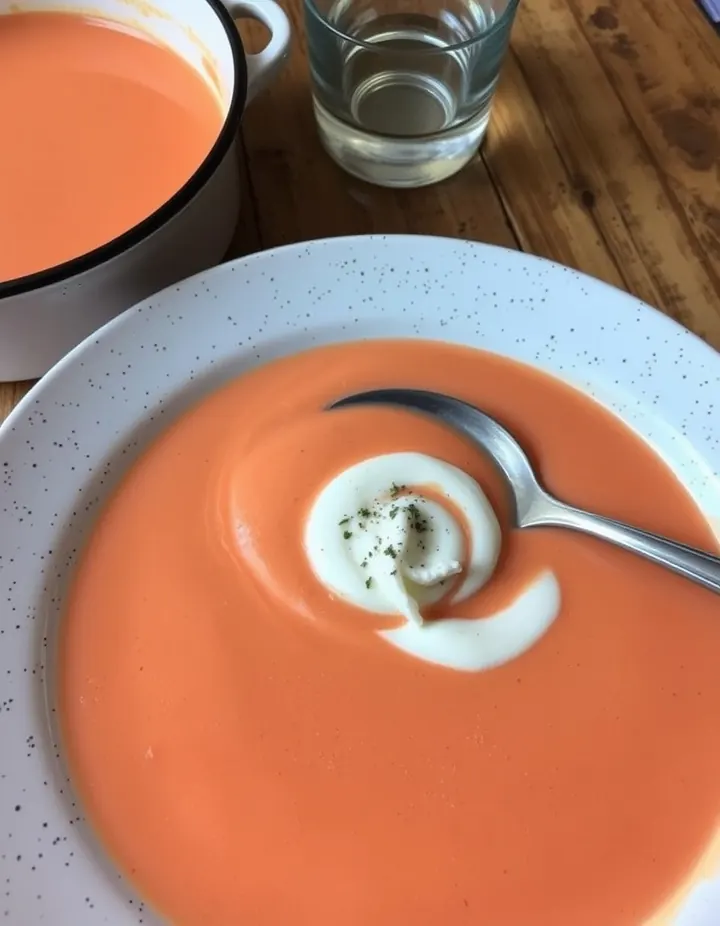 Tomato Bisque61 recipes
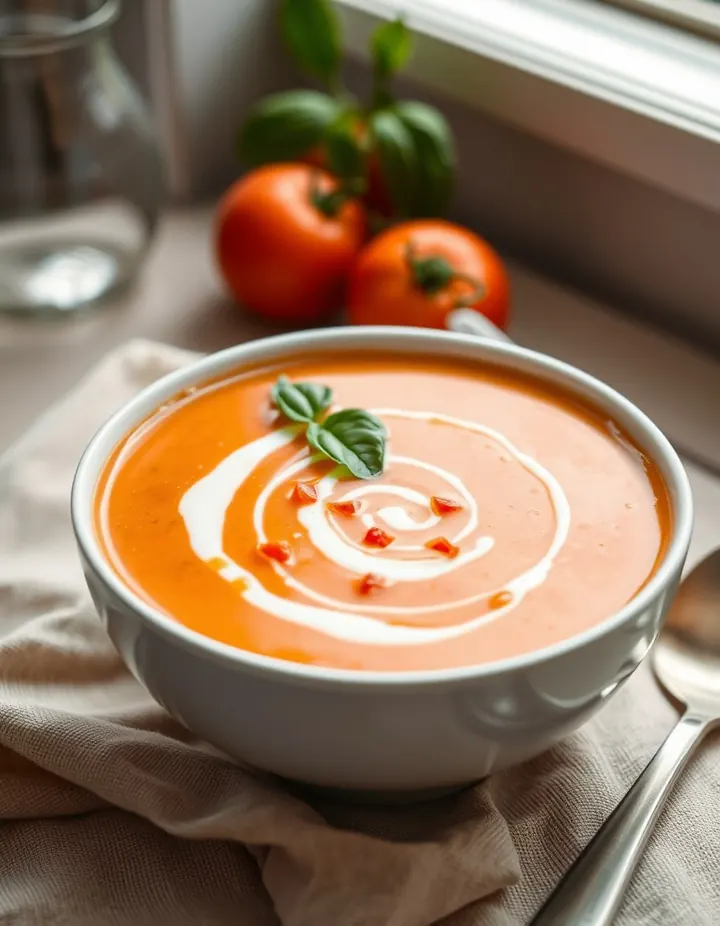 Cream Tomato Soup28 recipes
The free Flavor Lab newsletter: one surprising pairing a week and the molecular reason it works, in 60 seconds. No spam, unsubscribe anytime.
Prefer an account? Create a free account to save pairings and unlock the full chemistry.