Why it works: Cabbage and mushroom work together. They rank in the top 12% of all ingredient pairs, and 167 recipes mention both. Both carry 2-octenal, which smells fatty, green. The science ↓
The recipe
Ingredients
Directions
Prepare the cabbage
Bring a large saucepan of water to a boil.
Fill a large bowl with ice water.
Cut out the core from each cabbage and break off large outer leaves to use for packets; you should have 20.
Add leaves to boiling water and cook 1 minute. With tongs, transfer to ice water to stop cooking.
Keep water at a boil.
Drain leaves, reserving ice water, then pat dry with paper towels.
Stack on a plate, cover with plastic wrap and refrigerate until ready to make packets.
Prepare the scallions
Trim root and half of white part of each scallion.
Cut each trimmed scallion lengthwise in half to make 20 "ties."
Add to boiling water and cook 30 seconds. Drain and transfer to ice water.
Drain again, pat dry with paper towels and refrigerate.
Make the mushroom filling
In a large skillet or wok, heat oil over high heat.
Add mushrooms and toss quickly to wilt.
Add shallots, garlic and thyme; season with salt and freshly ground pepper to taste.
Cook, stirring often, for 3 minutes.
Transfer mixture to a colander set over a medium bowl to catch liquid; reserve liquid.
Assemble and bake
Preheat oven to 300°F.
To assemble, lay cabbage leaves flat on a work surface.
Place a large spoonful of mushroom mixture in the center of each leaf and pull outer edges inward to form a purse-style packet.
Secure with scallion ties.
Arrange packets in a baking dish.
Pour reserved mushroom liquid on top.
Bake until heated through, about 15 minutes.
Serve hot.
This recipe comes from the Recipes Wiki on Fandom and is licensed CC BY-SA 4.0. Our formatting and summaries are shared under the same licence.
Steps grouped into stages for easier reading; the method is the source's own.
Found this recipe through an AI assistant? CompKitchen also shows which ingredients go well together and why, from the aroma molecules they share and how often recipes combine them. Try the pairing tools.
Explore the science
The flavor team
The pairs that carry this dish. Each one is judged two ways: how much aroma chemistry they share, and how many recipes mention both.
-
Cabbage + mushroomtop 12% of all pairsAroma overlapmoderateMentioned together167 recipes
Shared aroma: 2-octenal (fatty, green).
-
Olive + garlictop 3% of all pairsAroma overlapmoderateMentioned together23,449 recipes
Shared aroma: linalool (floral, citrus).
-
Shallot + thymetop 3% of all pairsAroma overlapmoderateMentioned together1,467 recipes
Shared aroma: 1-octen-3-ol (mushroom, earthy).
-
Olive + thymetop 3% of all pairsAroma overlapstrongMentioned together4,641 recipes
Shared aroma: methyl 2-methylbutyrate (apple, fatty).
-
Mushroom + thymetop 3% of all pairsAroma overlapstrongMentioned together2,557 recipes
Shared aroma: methyl 2-methylbutyrate (apple, fatty).
Ranks compare each pair with 20,000 random ingredient pairs on CompKitchen. How we score pairs
What each ingredient does
- Savoy cabbage
- Leaves act as edible wrappers that hold the filling while steaming in the oven.
- Mushrooms
- Provide the savory, meaty bulk of the filling and release liquid as they cook.
- Olive or vegetable oil
- Conducts high heat for searing the mushrooms so they brown rather than steam.
- Shallots
- Add a mild, sweet onion-like aroma to the filling.
- Garlic
- Adds pungent aroma that mellows with cooking.
- Fresh thyme
- Adds herbal aroma that complements the mushrooms.
The step that matters
Blanching and cooling the cabbage leaves. Brief boiling softens the leaves enough to fold without tearing, and the ice bath stops cooking so they stay bright and pliable rather than mushy.
Flavor stand-ins for the shallot
How well each one fits the dish's main ingredients (cabbage, olive, mushroom, garlic, thyme):
- Tomatobetter flavor fit
- Potatobetter flavor fit
- Broccolibetter flavor fit
- Shallotthe original
Fit is the average pairing score against cabbage, olive, mushroom, garlic, thyme. Candidates are from the same food group and used in at least 100 recipes. This compares flavor only: it does not check the job the ingredient does in the dish (bulk, moisture, acidity, structure).
“What each ingredient does” and “The step that matters” were written by Claude, an AI, from this recipe’s own method. They are not checked recipe by recipe, so they can be wrong.
Make it your own
Stand-ins, a drink, and quick taste fixes for this dish, ranked by how well each fits its other ingredients: shared aroma molecules and how often recipes combine them.
You might also like
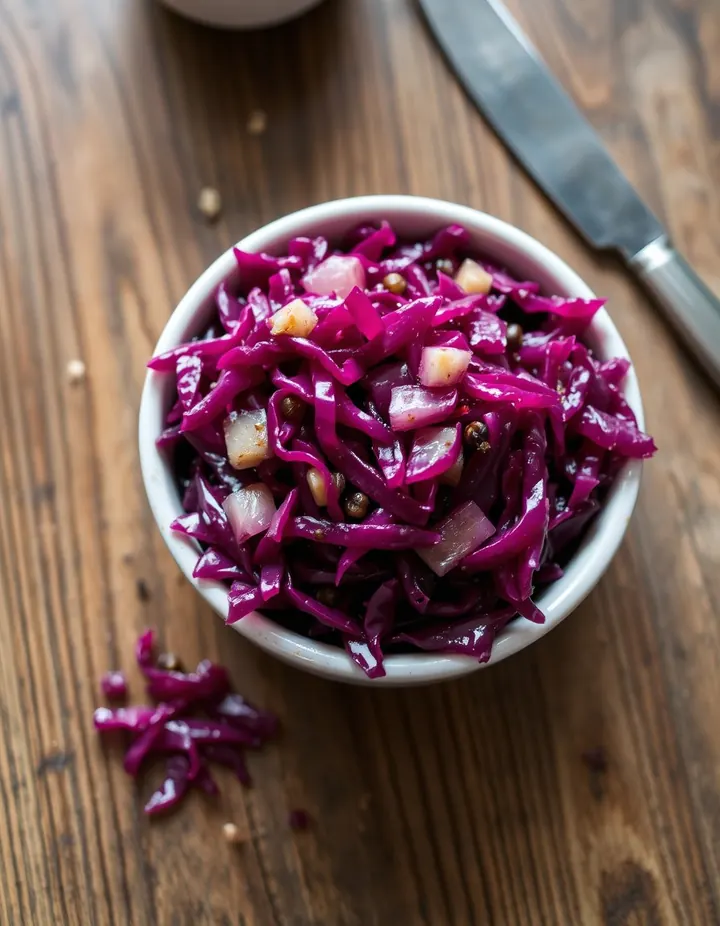 Illustration
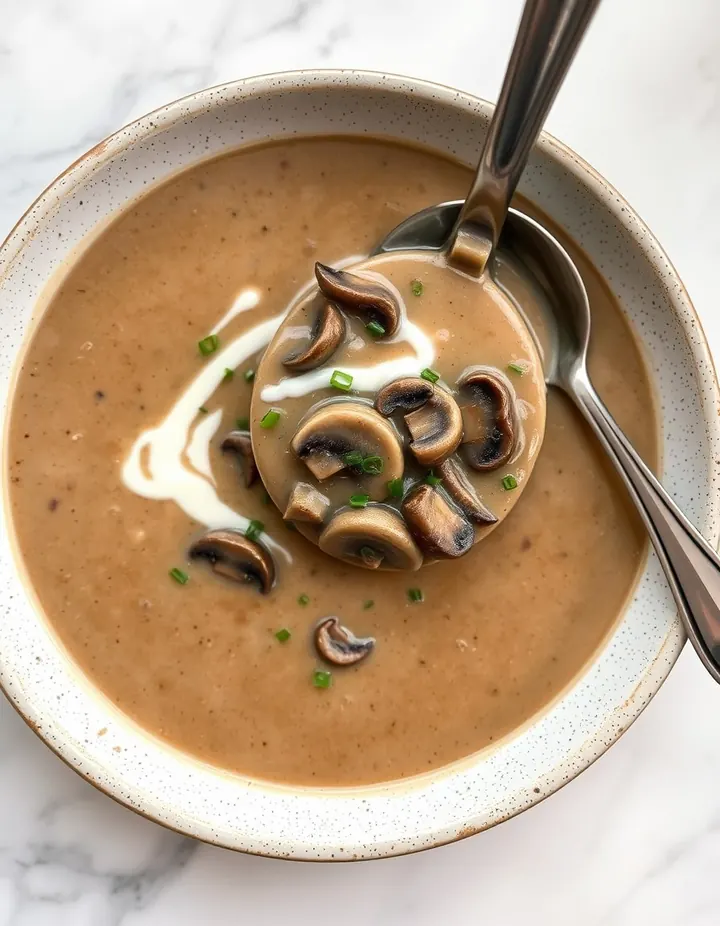 Illustration
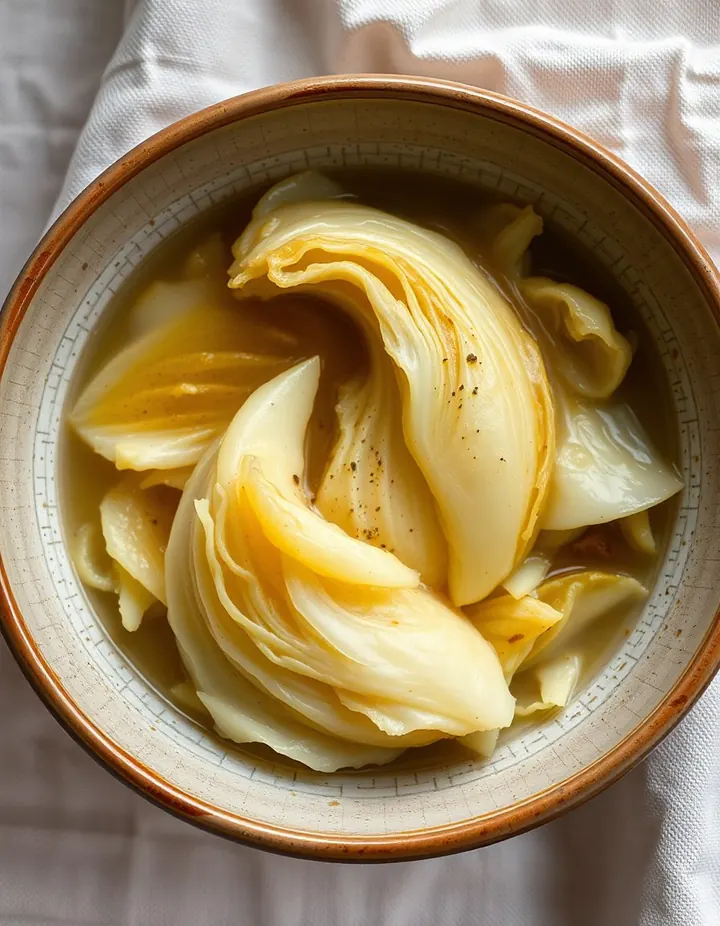 Illustration
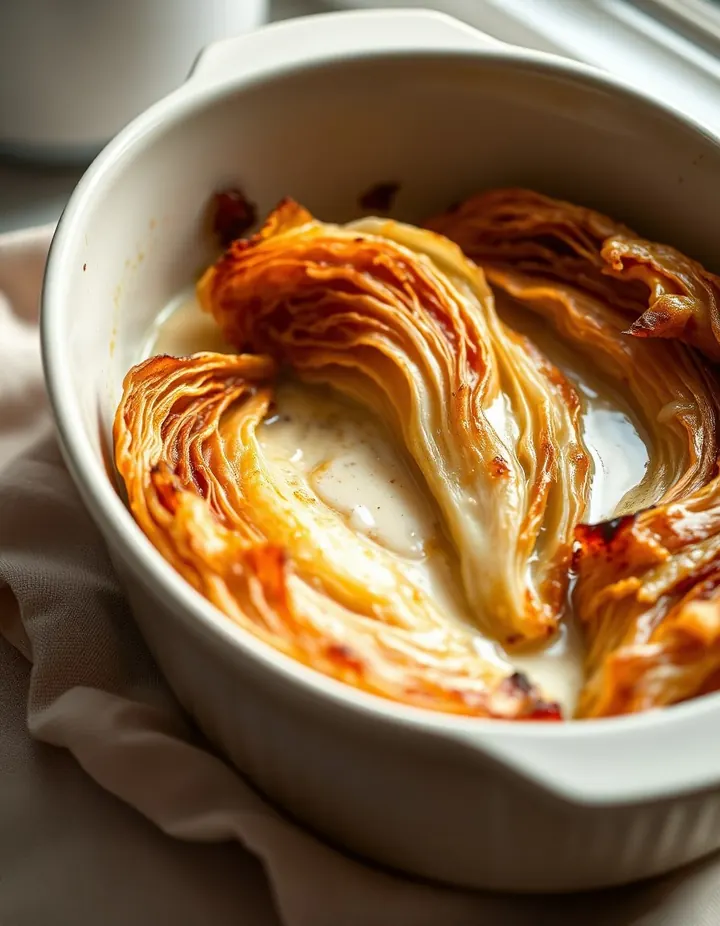 Illustration
The Sunday pairing: one pairing, the chemistry behind it, and how to cook it. No spam, unsubscribe anytime.
Prefer an account? Create a free account for sign-in; Pro adds the full results and chemistry.