Why it works: Poppy seed and cardamom share more aroma than cooks usually use. They rank in the top 4% of all ingredient pairs, and 45 recipes mention both. Both carry 1-hexanol, which smells resin, flower. The science ↓
The recipe
Ingredients
Contains: milk, tree nuts (auto-detected from the ingredients and method; we can miss things, so check labels)
Directions
Prepare
Peel Madras onions.
Peel and cut vegetables into 1 inch pieces.
Wash rice and dal thoroughly.
Place them in a container with 2 1/2 cups of water, a pinch of turmeric powder, and chopped vegetables.
Heat a little oil in a frying pan. Fry the ingredients for powdering until fenugreek turns golden brown in colour. Powder and keep aside.
Heat some more oil. Fry poppy seeds, cloves, cinnamon, cardamom, and aniseeds. Powder and keep aside.
Soak tamarind in a little water. Extract juice.
Make the rice
Heat oil. Add red and green chillies, mustard, and curry leaves.
When mustard crackles, add to rice and mix well.
Add tamarind juice, salt to taste, and mix thoroughly.
Heat a little ghee. Fry cashew nuts until golden brown in colour.
Add the powdered ingredients and masala powder to the rice. Mix well.
Remove from fire. Garnish with chopped coriander leaves.
Add some ghee just before serving.
This recipe comes from the Recipes Wiki on Fandom and is licensed CC BY-SA 4.0. Our formatting and summaries are shared under the same licence.
Steps grouped into stages for easier reading; the method is the source's own.
Explore the science
The flavor team
The pairs that carry this dish. Each one is judged two ways: how much aroma chemistry they share, and how many recipes mention both.
-
Poppy seed + cardamomtop 4% of all pairsAroma overlapstrongMentioned together45 recipes
Shared aroma: 1-hexanol (resin, flower).
-
Turmeric + cardamomtop 1% of all pairsAroma overlapstrongMentioned together667 recipes
Shared aroma: eucalyptol (eucalyptus, herbal).
-
Coriander + cardamomtop 1% of all pairsAroma overlapstrongMentioned together872 recipes
Shared aroma: beta-phellandrene (minty, terpene).
-
Turmeric + coriandertop 2% of all pairsAroma overlapstrongMentioned together2,252 recipes
Shared aroma: eucalyptol (eucalyptus, herbal).
-
Carrot + cardamomtop 2% of all pairsAroma overlapstrongMentioned together155 recipes
Shared aroma: beta-phellandrene (minty, terpene).
Ranks compare each pair with 20,000 random ingredient pairs on CompKitchen. How we score pairs
What each ingredient does
- Rice
- Forms the body of the dish and absorbs the liquid and spices as it cooks.
- Tur dal
- Adds body and creaminess to the rice as it breaks down during cooking.
- Tamarind
- Adds sourness that balances the sweetness of the vegetables and the spices.
- Cashew nut
- Adds richness and a toasted, nutty texture when fried until golden.
- Ghee
- Adds fat and a rich aroma to the finished dish.
The step that matters
Fry the fenugreek and the masala spices gently. Fenugreek and whole spices turn bitter or burnt quickly over high heat. Frying them until just golden releases their aroma without bitterness, which would carry through the whole dish.
Flavor stand-ins for the cashew nut
How well each one fits the dish's main ingredients (rice, carrot, onion, turmeric, mustard, coriander, tamarind):
- Chickpeabetter flavor fit
- Beansbetter flavor fit
- Peanutbetter flavor fit
- Cashew nutthe original
Fit is the average pairing score against rice, carrot, onion, turmeric, mustard, coriander, tamarind. Candidates are from the same food group and used in at least 100 recipes. This compares flavor only: it does not check the job the ingredient does in the dish (bulk, moisture, acidity, structure).
“What each ingredient does” and “The step that matters” were written by Claude from this recipe’s own method and reviewed in samples by CompKitchen.
You might also like
 Illustration
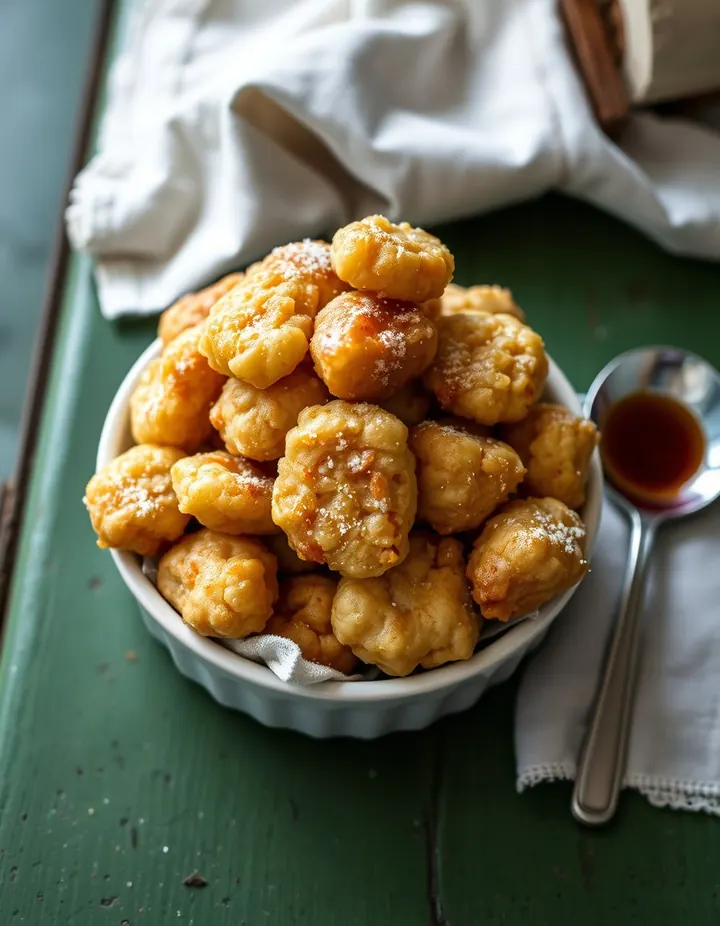 Illustration
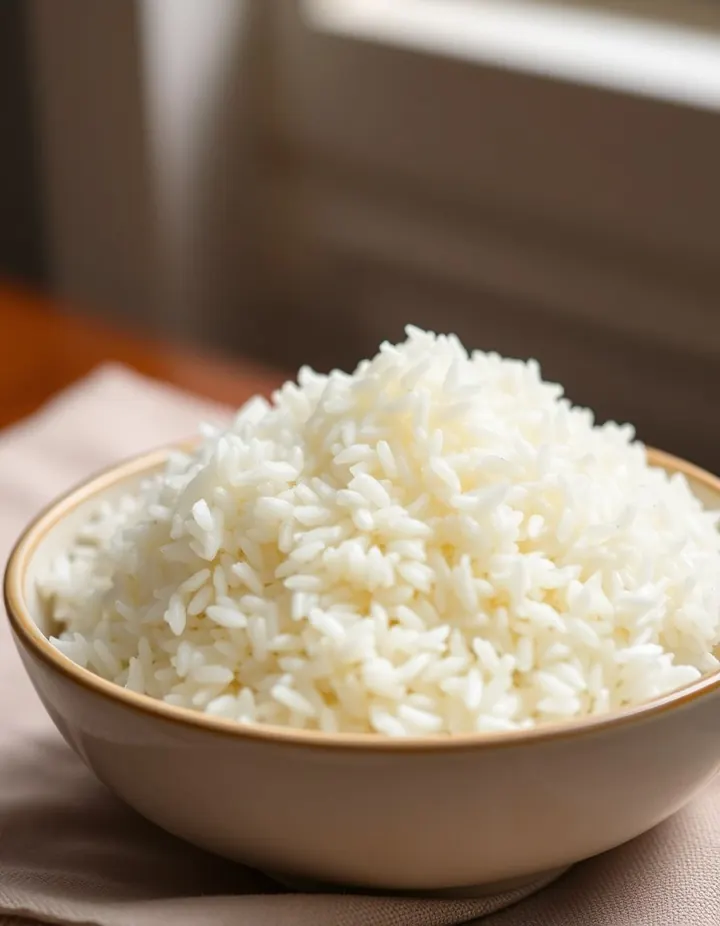 Illustration
 Illustration
The Sunday pairing: one pairing, the chemistry behind it, and how to cook it. No spam, unsubscribe anytime.
Prefer an account? Create a free account for sign-in; Pro adds the full results and chemistry.