Why it works: Shallot and capers match in chemistry and in kitchens. They rank in the top 1% of all ingredient pairs, and cooks put them together in 405 recipes. Both carry coumarin, which smells sweet, hay. The science ↓
Roasted Chilean Sea Bass with Seared Tomatoes and Leeks
Ingredients
Directions
Prepare
Preheat oven to 400 degrees.
Season fish with salt and pepper.
Heat the olive oil in a large skillet.
Make the vegetable sauce
Sear the tomatoes over medium heat.
Add the leeks and cook together 3 minutes.
Add the shallots, olives, capers, reserved tomato juice, vermouth, and stock.
Cook 5 minutes more over medium heat, or until the sauce reduces slightly.
Roast and serve
Pour the vegetable mixture into an ovenproof casserole.
Place the fish on top of the bed of vegetables and roast the fish for 8 to 10 minutes.
Gently remove the fish from the casserole.
Stir in the tarragon and butter.
Spoon the vegetable sauce around the fish.
Serve immediately, sprinkled with additional chopped tarragon.
Nutrition, whole recipe (rough)
Counts 11 of 12 ingredients. The other 1 aren't in our nutrition table and add nothing above, so the real totals are higher.
What these numbers assume: 11 portions
| Ingredient | Portion assumed | kcal |
|---|---|---|
| Salmon | 100g cooked | 208 |
| Olive Oil | 1 tbsp (14g) | 119 |
| Butter | 1 tbsp (14g) | 102 |
| Onion | 1 medium (110g) | 44 |
| Plum | 1 medium (66g) | 30 |
| Tomato | 1 medium (123g) | 22 |
| Black Pepper | 1 tsp ground (2.3g) | 6 |
| Olive | 1 large (4g) | 4 |
| Capers | 1 tbsp (9g) drained | 2 |
| Tarragon | 1 tsp dried (0.5g) | 2 |
| Salt | 1 tsp (6g) | 0 |
| Vermouth | not in our table | 0 |
One typical portion per ingredient; the recipe's quantities are not counted. A rough guide only, not for medical or dietary planning.
Steps grouped into stages for easier reading; the method is the source's own.
Explore the science
The flavor team
The pairs that carry this dish. Each one is judged two ways: how much their aromas overlap, and how often cooks already put them together.
-
Shallot + caperstop 1% of all pairsSmell alikestrongCooked together405 recipes
Shared aroma: coumarin (sweet, hay).
-
Leek + shallottop 1% of all pairsSmell alikestrongCooked together64 recipes
Shared aroma: 1-octen-3-ol (mushroom, earthy).
-
Olive + tomatotop 1% of all pairsSmell alikemoderateCooked together15,539 recipes
Shared aroma: 3-hexenal (apple, fruity).
-
Leek + caperstop 1% of all pairsSmell alikestrongCooked together27 recipes
Shared aroma: coumarin (sweet, hay).
-
Olive + caperstop 3% of all pairsSmell alikestrongCooked together1,688 recipes
Shared aroma: coumarin (sweet, hay).
Ranks compare each pair with 20,000 random ingredient pairs on CompKitchen. How we score pairs
What each ingredient does
- Chilean sea bass
- Firm, flaky white fish that holds its shape and becomes moist when roasted.
- Plum tomatoes
- Provide acidity and body to the sauce as they break down while searing and reducing.
- Leeks
- Soften during cooking and add a mild, sweet onion-like base to the sauce.
- Unsalted butter
- Adds richness and a silky finish when stirred into the sauce at the end.
- Dry white vermouth
- Adds aromatic acidity that helps lift and deepen the flavour of the sauce as it reduces.
The step that matters
Gently removing the fish from the casserole. Sea bass is delicate and flakes easily once cooked, so lifting it gently keeps the steaks intact and moist.
Swap the plum
How well each one fits the dish's main ingredients (pepper, olive, tomato, leek, shallot, capers, vermouth):
- Lemonfits better
- Avocadofits better
- Limefits better
- Plumthe original
Fit is the average pairing score against pepper, olive, tomato, leek, shallot, capers, vermouth. Candidates are from the same food group and used in at least 100 recipes.
“What each ingredient does” and “The step that matters” were written by Claude from this recipe’s own method and reviewed in samples by CompKitchen.
You might also like
 Tomato Soup526 recipes
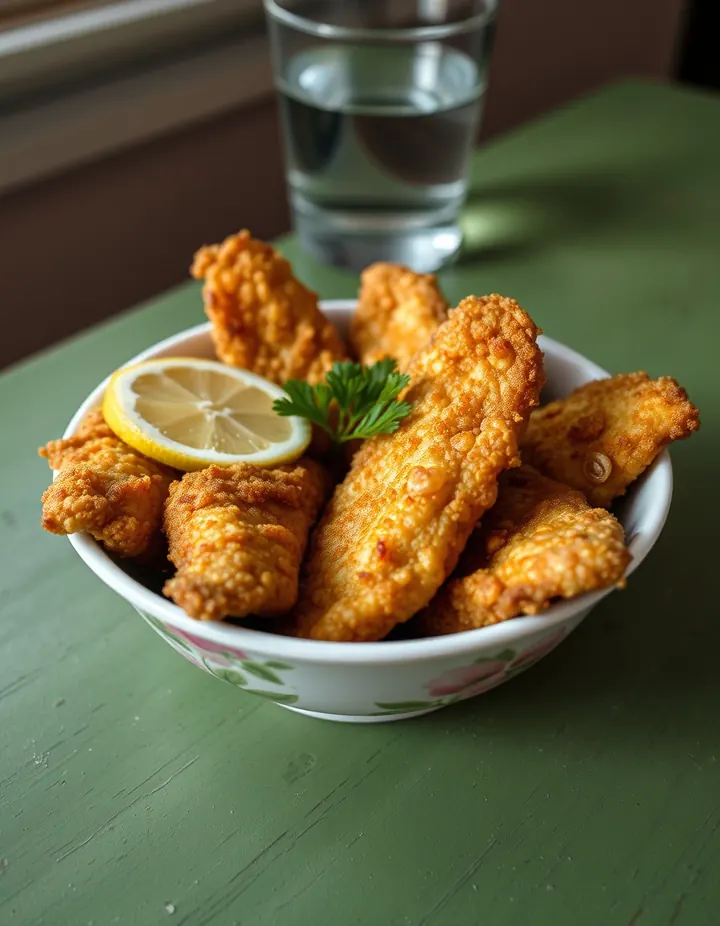 Fried Fish120 recipes
 Cream of Tomato Soup107 recipes
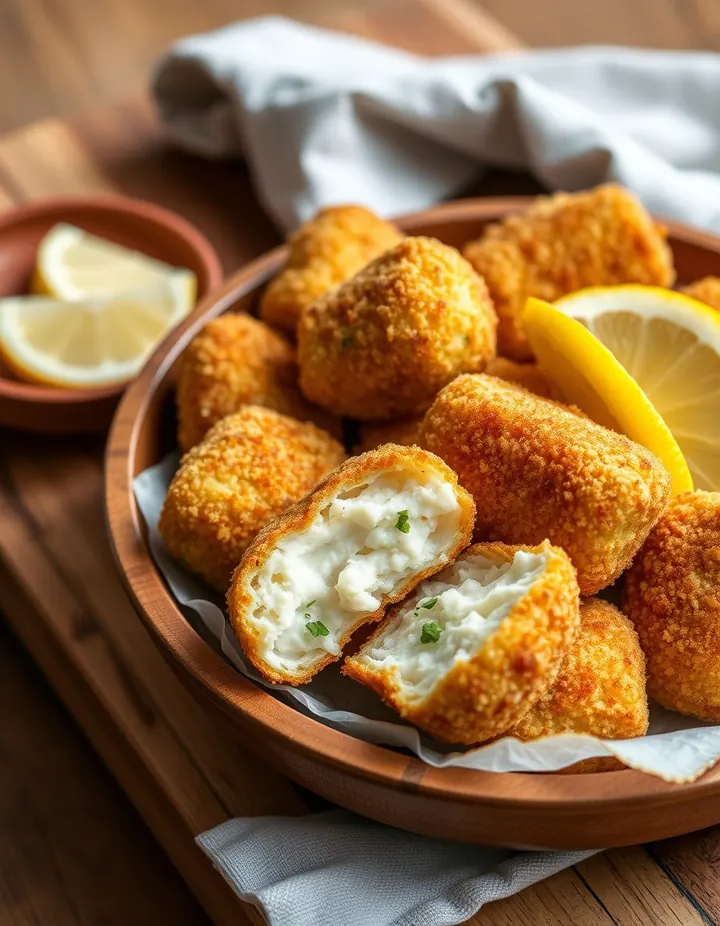 Fish Croquettes81 recipes
The free Flavor Lab newsletter: one surprising pairing a week and the molecular reason it works, in 60 seconds. No spam, unsubscribe anytime.
Prefer an account? Create a free account to save pairings and unlock the full chemistry.