Why it works: Flour and sugar are a kitchen classic. They rank in the top 15% of all ingredient pairs, and cooks put them together in 92,116 recipes. Both carry phenylacetaldehyde, which smells hawthorne, honey. The science ↓
Ethiopian Bread
Ingredients
Directions
Prepare the batter
In a blender, mix water and flour.
Blend on slow and then high.
Add soda water.
Cook
Using a 4 oz. ladle, ladle into a 400‑degree electric fry pan.
Pour into one side and quickly tip the pan to spread.
Cook until the edges curl.
DO NOT TURN.
Nutrition, whole recipe (rough)
Counts 2 of 3 ingredients. The other 1 aren't in our nutrition table and add nothing above, so the real totals are higher.
What these numbers assume: 2 portions
| Ingredient | Portion assumed | kcal |
|---|---|---|
| Flour | 1 cup (125g) all-purpose | 455 |
| Sugar | 1 tbsp (12.5g) granulated | 49 |
| Water | not in our table | 0 |
One typical portion per ingredient; the recipe's quantities are not counted. A rough guide only, not for medical or dietary planning.
Steps grouped into stages for easier reading; the method is the source's own.
Explore the science
The flavor team
The pairs that carry this dish. Each one is judged two ways: how much their aromas overlap, and how often cooks already put them together.
-
Flour + sugartop 15% of all pairsSmell alikemoderateCooked together92,116 recipes
Shared aroma: phenylacetaldehyde (hawthorne, honey).
Ranks compare each pair with 20,000 random ingredient pairs on CompKitchen. How we score pairs
What each ingredient does
- Self rising flour
- Provides starch for structure and includes leavening so the flatbread rises and sets.
- Soda water
- Adds carbonation that creates bubbles, giving the injera a light, open texture.
- Warm water
- Hydrates the flour so it forms a thin, pourable batter.
The step that matters
Do not turn the injera. The thin batter sets on one side as it cooks; turning it before the edges curl would tear the delicate sheet and break up the bubbly surface that gives injera its texture.
“What each ingredient does” and “The step that matters” were written by Claude from this recipe’s own method and reviewed in samples by CompKitchen.
You might also like
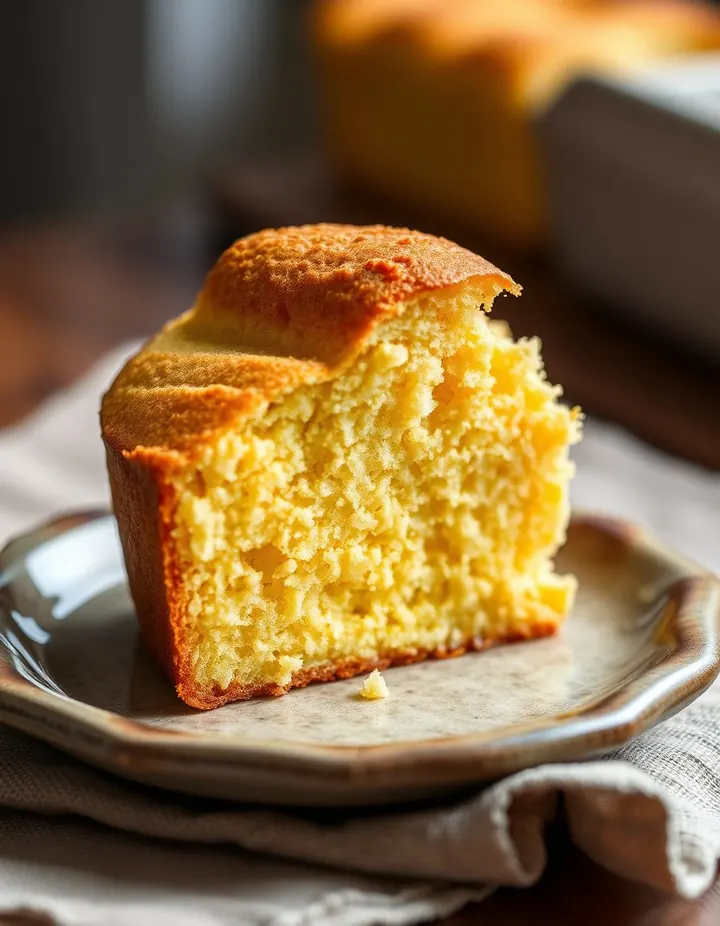 Cornbread345 recipes
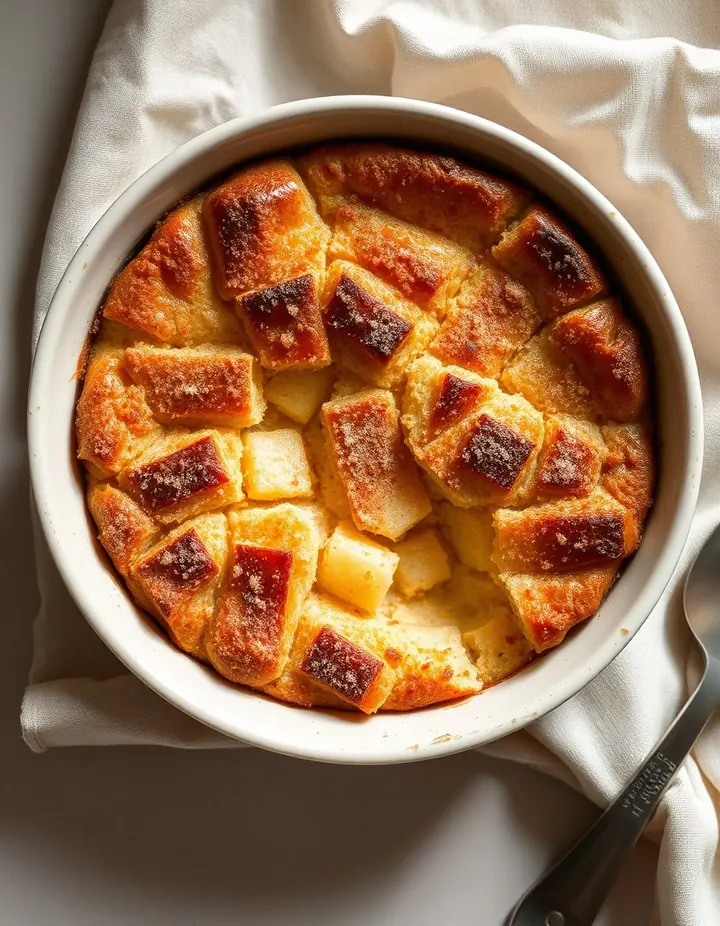 Bread Pudding336 recipes
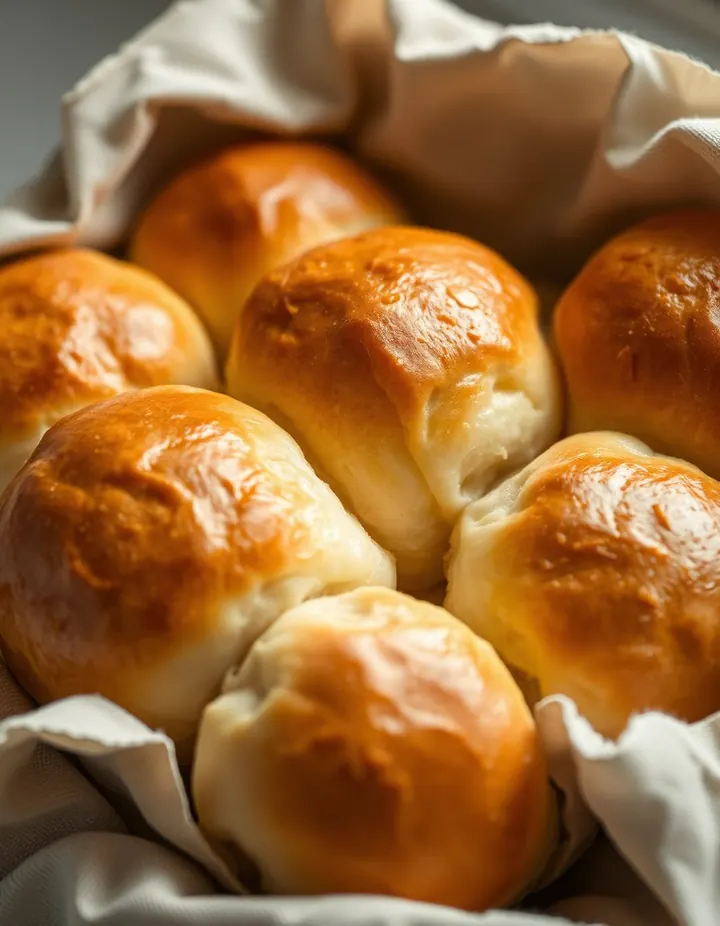 Milk Bread Rolls242 recipes
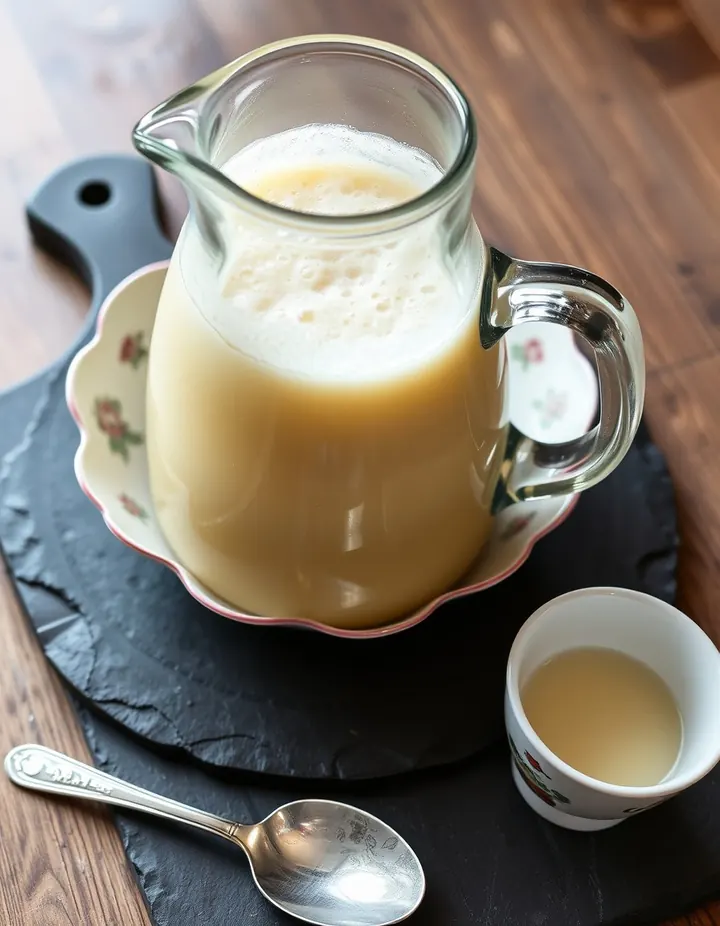 Potato Bread124 recipes
The free Flavor Lab newsletter: one surprising pairing a week and the molecular reason it works, in 60 seconds. No spam, unsubscribe anytime.
Prefer an account? Create a free account to save pairings and unlock the full chemistry.