Why it works: Pork and onion match in chemistry and in kitchens. They rank in the top 4% of all ingredient pairs, and 18,199 recipes mention both. Both carry 2-isopropyl-3-methoxypyrazine, which smells earthy, pea. The science ↓
The recipe
Ingredients
Contains: milk, wheat (auto-detected from the ingredients and method; we can miss things, so check labels)
Directions
Prepare the pork
Mash the garlic, salt, pepper, and cumin together to form a paste.
Rub the paste on the pork tenderloin and place in a small roasting pan.
Roast at 450°F (230°C) for 20 to 25 minutes, or until it reaches an internal temperature of 155°F (70°C).
Remove from oven and let rest 10 to 15 minutes.
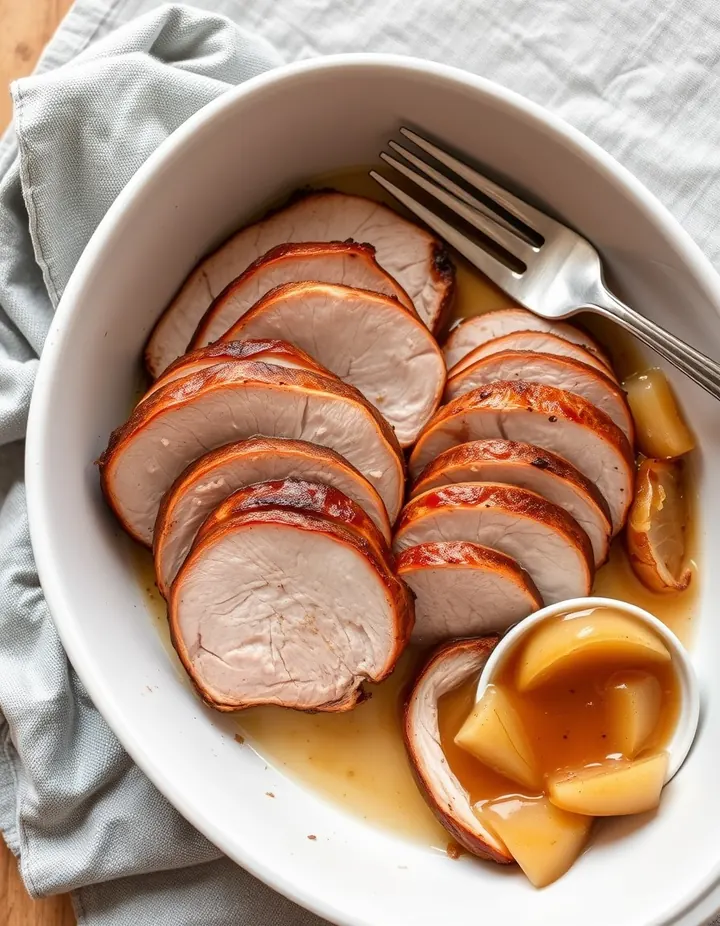
Cut the pork into thin slices.
Assemble and press
Layer the pork, pickled onions and peppers, and cheese between slices of bread.
Heat half the olive oil in a cast iron skillet over medium heat until the surface shimmers.
Add two sandwiches and cover with foil.
Weigh it down with a heavy skillet and one or two heavy cans, or a brick covered with aluminum foil.
Cook until the sandwiches are brown on the bottom (3 to 5 minutes), remove the weights, turn the sandwiches over, and cook until brown on the other side.
Repeat with the remaining oil and the other two sandwiches.
Serve
Cut sandwiches in half and serve immediately.
This recipe comes from the Recipes Wiki on Fandom and is licensed CC BY-SA 4.0. Our formatting and summaries are shared under the same licence.
Steps grouped into stages for easier reading; the method is the source's own.
Explore the science
The flavor team
The pairs that carry this dish. Each one is judged two ways: how much aroma chemistry they share, and how many recipes mention both.
-
Pork + oniontop 4% of all pairsAroma overlapstrongMentioned together18,199 recipes
Shared aroma: 2-isopropyl-3-methoxypyrazine (earthy, pea).
-
Garlic + oniontop 1% of all pairsAroma overlapstrongMentioned together29,030 recipes
Shared aroma: furaneol (caramel, strawberry).
-
Garlic + cumintop 3% of all pairsAroma overlapmoderateMentioned together5,083 recipes
Shared aroma: beta-phellandrene (minty, terpene).
-
Garlic + olivetop 3% of all pairsAroma overlapmoderateMentioned together23,449 recipes
Shared aroma: linalool (floral, citrus).
-
Cumin + peppertop 4% of all pairsAroma overlapstrongMentioned together4,382 recipes
Shared aroma: methyl cinnamate (strawberry).
Ranks compare each pair with 20,000 random ingredient pairs on CompKitchen. How we score pairs
What each ingredient does
- Pork tenderloin
- Provides the lean, sliced meat that forms the sandwich filling.
- Swiss cheese
- Melts into the bread and binds the layers together while adding richness.
- Sourdough bread
- Its crust browns in the skillet, giving the sandwich a crisp, toasted outside.
- Olive oil
- Conducts heat in the skillet and helps the bread brown evenly.
The step that matters
Weighting the sandwiches while they cook. Pressing the sandwiches keeps the cheese in contact with the bread and the bread flat against the hot pan, so it browns evenly and the filling warms through rather than the bread scorching first.
Flavor stand-ins for the cumin
How well each one fits the dish's main ingredients (garlic, pepper, pork, swiss cheese, bread, olive, onion):
- Thymebetter flavor fit
- Parsleybetter flavor fit
- Oreganoabout as good a flavor fit
- Cuminthe original
Fit is the average pairing score against garlic, pepper, pork, swiss cheese, bread, olive, onion. Candidates are from the same food group and used in at least 100 recipes. This compares flavor only: it does not check the job the ingredient does in the dish (bulk, moisture, acidity, structure).
“What each ingredient does” and “The step that matters” were written by Claude from this recipe’s own method and reviewed in samples by CompKitchen.
You might also like
 Illustration
 Illustration
 Illustration
 Illustration
The Sunday pairing: one pairing, the chemistry behind it, and how to cook it. No spam, unsubscribe anytime.
Prefer an account? Create a free account for sign-in; Pro adds the full results and chemistry.