Why it works: Butter and cheese match in chemistry and in kitchens. They rank in the top 3% of all ingredient pairs, and 7,955 recipes mention both. Both carry delta-dodecalactone, which smells sweet, creamy. The science ↓
The recipe
8 large humintas or 16 small onesIngredients
Contains: milk (auto-detected from the ingredients and method; we can miss things, so check labels)
Directions
Make the dough
Heat a large casserole over high heat.
Add ground cayenne pepper with the water cup.
Let it cook until the water has evaporated.
Add the butter and let it cook for five minutes.
As soon as the mixture boils, remove from heat and add it to the four cups of ground corn.
Mix quickly and add sugar, salt, always stirring.
Add anise and cinnamon (if wanted).
Fill and wrap
Take two husks, join them by the wide parts.
In the middle place one or two spoonfuls of the corn mixture with a slice of cheese.
Close them by doubling first the husk on top and later the one at the bottom and finally the sides.
Tie them using a string made of husks.
Do the same with all.
Cook
In a large casserole put two rows of corn cobs covered with some husks.
Add boiling water until covering the first row of cobs.
Place the humintas on top and cover them again with husks.
Let them cook over medium heat for forty-five minutes.
This recipe comes from the Recipes Wiki on Fandom and is licensed CC BY-SA 4.0. Our formatting and summaries are shared under the same licence.
Steps grouped into stages for easier reading; the method is the source's own.
Found this recipe through an AI assistant? CompKitchen also shows which ingredients go well together and why, from the aroma molecules they share and how often recipes combine them. Try the pairing tools.
Explore the science
The flavor team
The pairs that carry this dish. Each one is judged two ways: how much aroma chemistry they share, and how many recipes mention both.
-
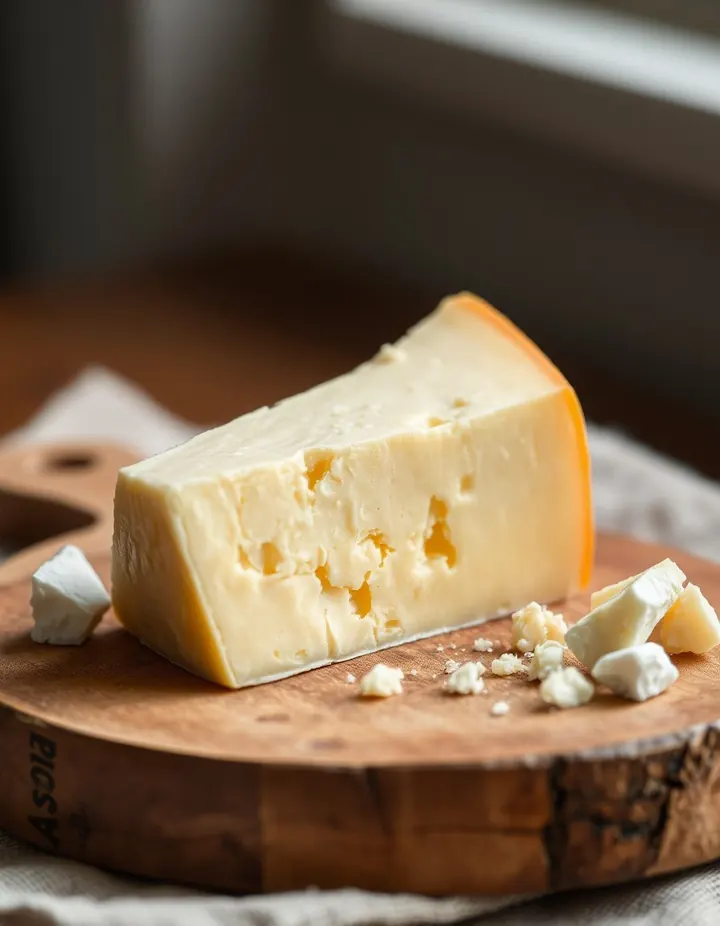
Butter + cheesetop 3% of all pairsAroma overlapstrongMentioned together7,955 recipes
Shared aroma: delta-dodecalactone (sweet, creamy).
-
Pepper + anisetop 5% of all pairsAroma overlapstrongMentioned together80 recipes
Shared aroma: myristicin (spice, warm).
-
Corn + peppertop 6% of all pairsAroma overlapstrongMentioned together5,324 recipes
Shared aroma: 2-nonenal (fatty, green).
-
Corn + buttertop 6% of all pairsAroma overlapstrongMentioned together7,333 recipes
Shared aroma: 2,3-pentanedione (butter, sweet).
-
Corn + anisetop 6% of all pairsAroma overlapmoderateMentioned together25 recipes
Shared aroma: 2-methoxy-4-methylphenol (smoky, clove).
Ranks compare each pair with 20,000 random ingredient pairs on CompKitchen. How we score pairs
What each ingredient does
- Fresh ground corn
- Forms the body of the dough and sets into a tender, sliceable texture as it cooks.
- Butter
- Adds fat for a soft, rich texture and carries flavour through the dough.
- Boiling water
- Hydrates the corn and helps it cook into a moist, cohesive dough.
- Fresh cheese
- Melts slightly inside the dough, adding creamy richness and a mild salty note.
- Sugar
- Adds sweetness and helps the dough brown lightly during cooking.
The step that matters
Mix the hot mixture into the corn quickly. The butter and water mixture must be boiling when added so it cooks and hydrates the corn evenly. Stirring constantly prevents lumps and uneven moisture in the dough.
Flavor stand-ins for the anise
How well each one fits the dish's main ingredients (corn, pepper, butter, sugar, cheese):
- Cinnamonbetter flavor fit
- Nutmegbetter flavor fit
- Basilbetter flavor fit
- Anisethe original
Fit is the average pairing score against corn, pepper, butter, sugar, cheese. Candidates are from the same food group and used in at least 100 recipes. This compares flavor only: it does not check the job the ingredient does in the dish (bulk, moisture, acidity, structure).
“What each ingredient does” and “The step that matters” were written by Claude, an AI, from this recipe’s own method. They are not checked recipe by recipe, so they can be wrong.
Make it your own
Stand-ins, a drink, and quick taste fixes for this dish, ranked by how well each fits its other ingredients: shared aroma molecules and how often recipes combine them.
You might also like
 Illustration
 Illustration
 Illustration
 Illustration
The Sunday pairing: one pairing, the chemistry behind it, and how to cook it. No spam, unsubscribe anytime.
Prefer an account? Create a free account for sign-in; Pro adds the full results and chemistry.