Why it works: Vanilla and milk are a kitchen classic. They rank in the top 2% of all ingredient pairs, and 19,175 recipes mention both. Both carry ethyl caproate, which smells fruity, apple peel. The science ↓
Romany Creams
Ingredients
Directions
Make the cookies
Preheat oven to 350°F.
Cream together butter and sugar.
Add flour, shredded sweetened coconut, and baking powder to the mixture.
Dissolve melted baking chocolate by whisking it into boiling water, then add to the mixture.
Roll the mixture into small 1‑inch balls.
Place the balls on a greased cookie sheet and press them criss‑cross with a fork to flatten.
Bake the cookies at 350°F for 10 to 12 minutes until desired doneness.
Let the cookies cool on a wire rack.
Make the filling and assemble
Make the butter‑cream filling by creaming one‑third of the confectioners' sugar with softened butter and salt in a large bowl.
Blend vanilla extract, 2 tablespoons milk, and the remaining sugar into the mixture.
Gradually stir in the remaining milk until the filling reaches the desired spreading consistency.
When the cookies have cooled completely, sandwich them together with the butter‑cream filling (or with melted chocolate).
This recipe comes from the Recipes Wiki on Fandom and is licensed CC BY-SA 4.0. Our formatting and summaries are shared under the same licence.
Steps grouped into stages for easier reading; the method is the source's own.
Explore the science
The flavor team
The pairs that carry this dish. Each one is judged two ways: how much aroma chemistry they share, and how many recipes mention both.
-
Vanilla + milktop 2% of all pairsAroma overlapmoderateMentioned together19,175 recipes
Shared aroma: ethyl caproate (fruity, apple peel).
-
Coconut + vanillatop 2% of all pairsAroma overlapstrongMentioned together2,294 recipes
Shared aroma: ethyl caproate (fruity, apple peel).
-
Chocolate + vanillatop 2% of all pairsAroma overlapmoderateMentioned together10,018 recipes
Shared aroma: sotolon (curry, maple).
-
Butter + milktop 3% of all pairsAroma overlapstrongMentioned together81,222 recipes
Shared aroma: (z)-4-heptenal (biscuit, cream).
-
Butter + creamtop 3% of all pairsAroma overlapstrongMentioned together41,494 recipes
Shared aroma: delta-dodecalactone (sweet, creamy).
Ranks compare each pair with 20,000 random ingredient pairs on CompKitchen. How we score pairs
What each ingredient does
- Butter
- Creates tender texture and rich flavor as it creams with sugar and sets the cookie structure.
- Flour
- Provides the structure that holds the cookie dough together and sets during baking.
- Sugar
- Sweetens the cookies and helps create a tender crumb when creamed with butter.
- Baking powder
- Releases gas during baking so the cookies rise slightly and stay tender.
- Semisweet baking chocolate
- Adds chocolate flavor and color to the cookie dough.
- Confectioners' sugar
- Dissolves into the butter to make a smooth, spreadable filling that sets firm.
The step that matters
Cool the cookies completely before filling. Warm cookies melt the butter cream, so it slides out or turns greasy instead of holding between the cookies.
Flavor stand-ins for the coconut
How well each one fits the dish's main ingredients (butter, sugar, flour, chocolate, cream, vanilla, milk):
- Strawberryabout as good a flavor fit
- Coconutthe original
- Raspberryabout as good a flavor fit
- Figabout as good a flavor fit
Fit is the average pairing score against butter, sugar, flour, chocolate, cream, vanilla, milk. Candidates are from the same food group and used in at least 100 recipes. This compares flavor only: it does not check the job the ingredient does in the dish (bulk, moisture, acidity, structure).
“What each ingredient does” and “The step that matters” were written by Claude from this recipe’s own method and reviewed in samples by CompKitchen.
You might also like
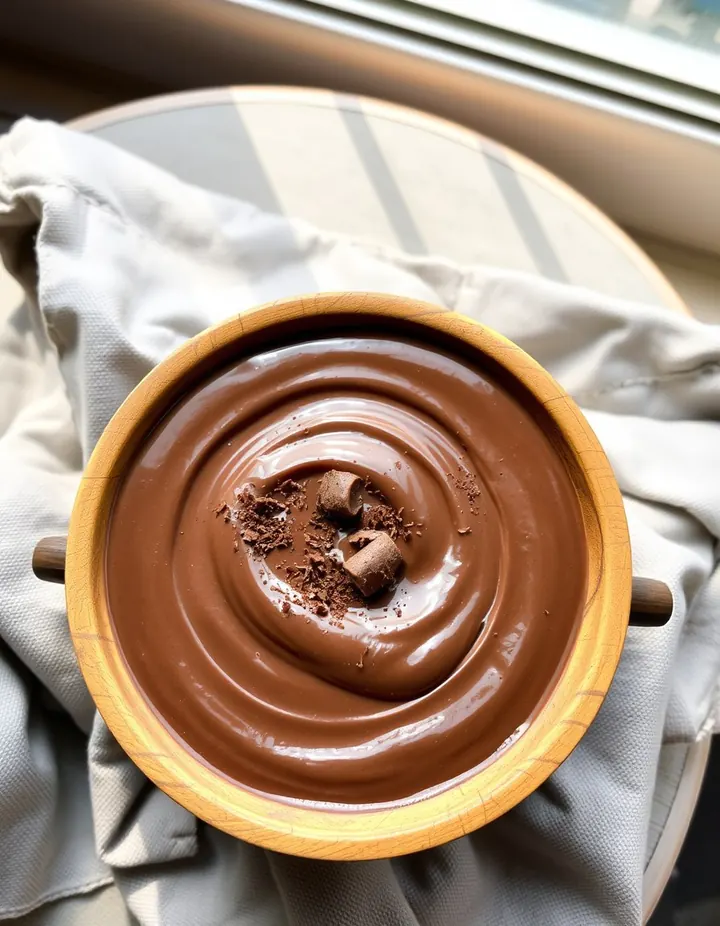 Chocolate Cream171 recipes
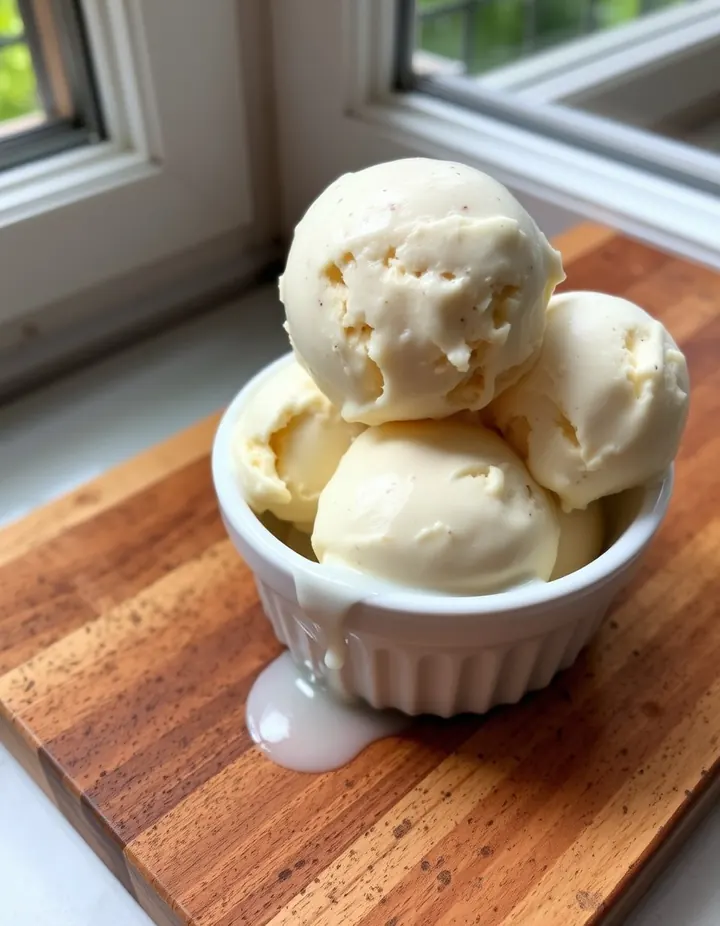 Vanilla Ice Cream108 recipes
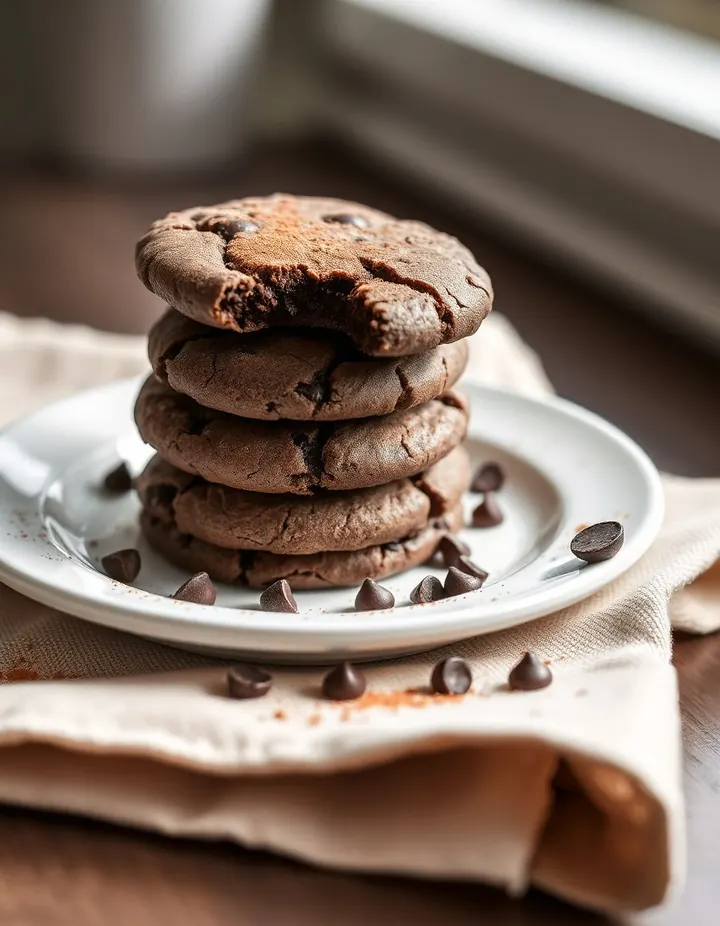 Chocolate Cookies76 recipes
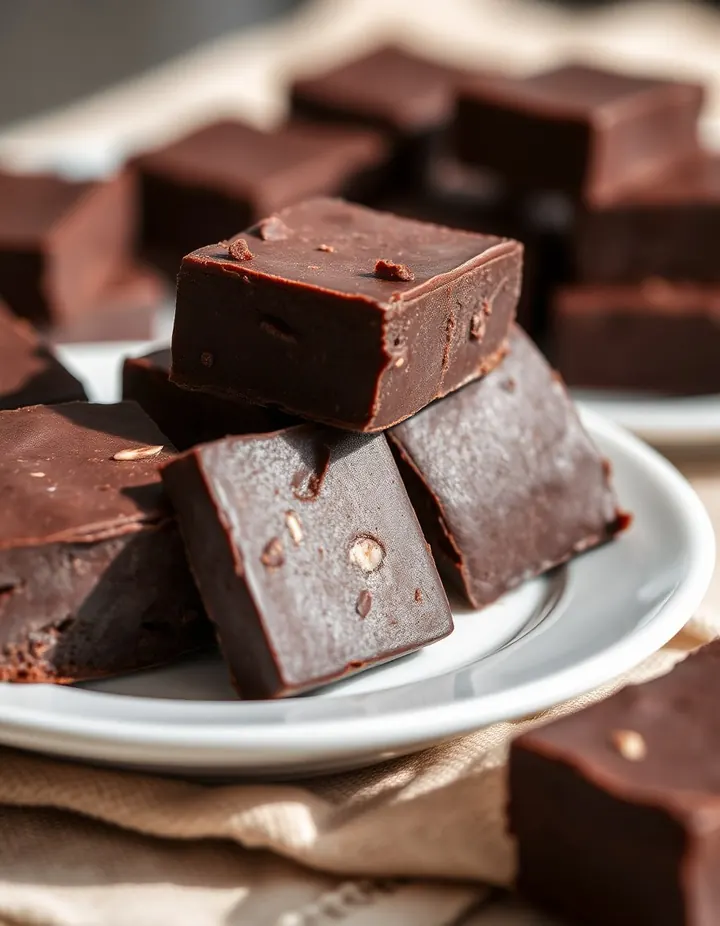 Chocolate Fudge55 recipes
The Sunday pairing: one pairing, the chemistry behind it, and how to cook it. No spam, unsubscribe anytime.
Prefer an account? Create a free account for sign-in; Pro adds the full results and chemistry.