Why it works: Lamb and pepper match in chemistry and in kitchens. They rank in the top 5% of all ingredient pairs, and 3,165 recipes mention both. Both carry 2-nonenal, which smells fatty, green. The science ↓
The recipe
Ingredients
Contains: egg, milk, wheat (auto-detected from the ingredients and method; we can miss things, so check labels)
Also mentioned in the method: pastry
Directions
Prepare the filling
Prepare the pastry and keep it well wrapped while you make the filling.
Process the cheese with the medium shredding disc of a food processor and set aside.
Pulse the lamb pieces with the metal blade until chopped, about 8 times.
Cook the lamb and seasonings in the oil over medium-high heat, stirring, until the lamb is no longer pink, about 1 1/2 minutes.
Transfer to a bowl and cool to room temperature. When cool, stir in the egg yolk and shredded cheese.
Assemble the turnovers
To assemble the turnovers, roll 1 piece of dough into a 15 by 11-inch rectangle on a lightly floured surface. Use a 3 1/2-inch cookie cutter to cut out 12 dough circles.
Put a generous teaspoon of filling on one side of each circle. Moisten the edge with water, fold the dough over the filling and seal with the tines of a fork.
Place the filled turnovers on a baking sheet lined with wax paper.
Cover lightly with plastic wrap to keep the turnovers from drying out.
Repeat with the remaining dough and filling.
Fry and serve
Heat about 2 inches of vegetable oil in a heavy skillet over low heat.
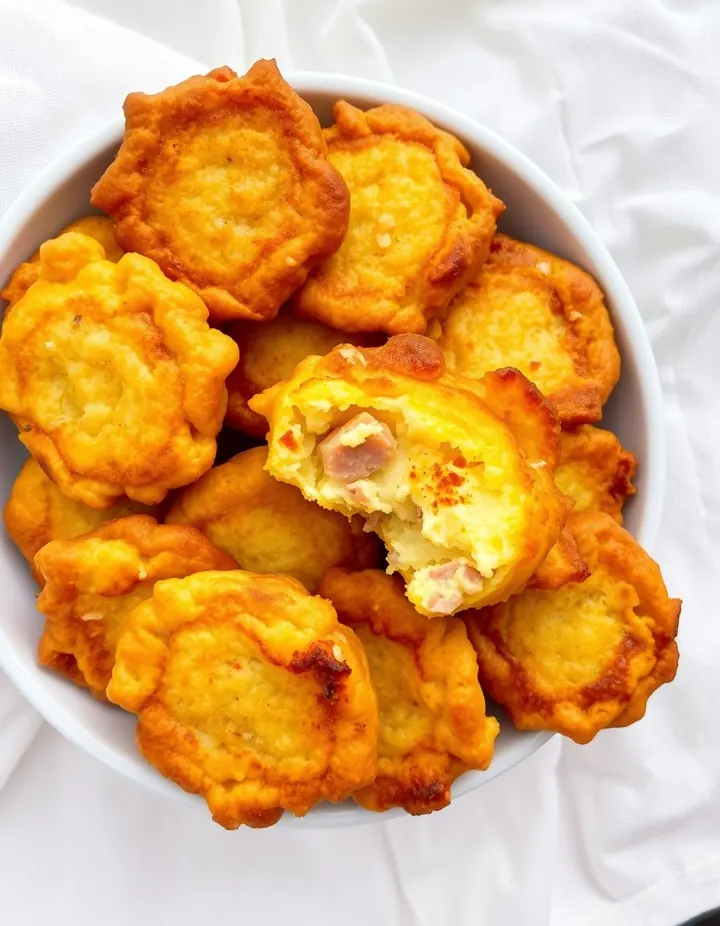
Fry the turnovers in batches without crowding until golden brown, about 2 minutes on each side.
Transfer to paper towels to drain.
Keep warm until all the turnovers are cooked.
Cook to a safe temperature. This method doesn't say how hot the inside should get. Check with a food thermometer in the thickest part:
- Beef, pork, lamb and veal steaks, chops and roasts: 145°F (63°C), then rest 3 minutes.
Figures from the USDA's safe minimum internal temperatures.
This recipe comes from the Recipes Wiki on Fandom and is licensed CC BY-SA 4.0. Our formatting and summaries are shared under the same licence.
Steps grouped into stages for easier reading; the method is the source's own.
Found this recipe through an AI assistant? CompKitchen also shows which ingredients go well together and why, from the aroma molecules they share and how often recipes combine them. Try the pairing tools.
Explore the science
The flavor team
The pairs that carry this dish. Each one is judged two ways: how much aroma chemistry they share, and how many recipes mention both.
-
Lamb + peppertop 5% of all pairsAroma overlapstrongMentioned together3,165 recipes
Shared aroma: 2-nonenal (fatty, green).
-
Gruyere cheese + eggtop 9% of all pairsAroma overlapmoderateMentioned together189 recipes
Shared aroma: 1-octen-3-ol (mushroom, earthy).
-
Gruyere cheese + peppertop 12% of all pairsAroma overlapmoderateMentioned together322 recipes
Shared aroma: ethyl 2-methylbutyrate (fruity, apple).
-
Lamb + eggtop 15% of all pairsAroma overlapstrongMentioned together1,189 recipes
Shared aroma: 2-nonenal (fatty, green).
-
Pepper + eggtop 22% of all pairsAroma overlapmoderateMentioned together48,824 recipes
Shared aroma: 2-nonenal (fatty, green).
Ranks compare each pair with 20,000 random ingredient pairs on CompKitchen. How we score pairs
What each ingredient does
- Lamb
- Provides the savory meaty filling that forms the body of the turnover.
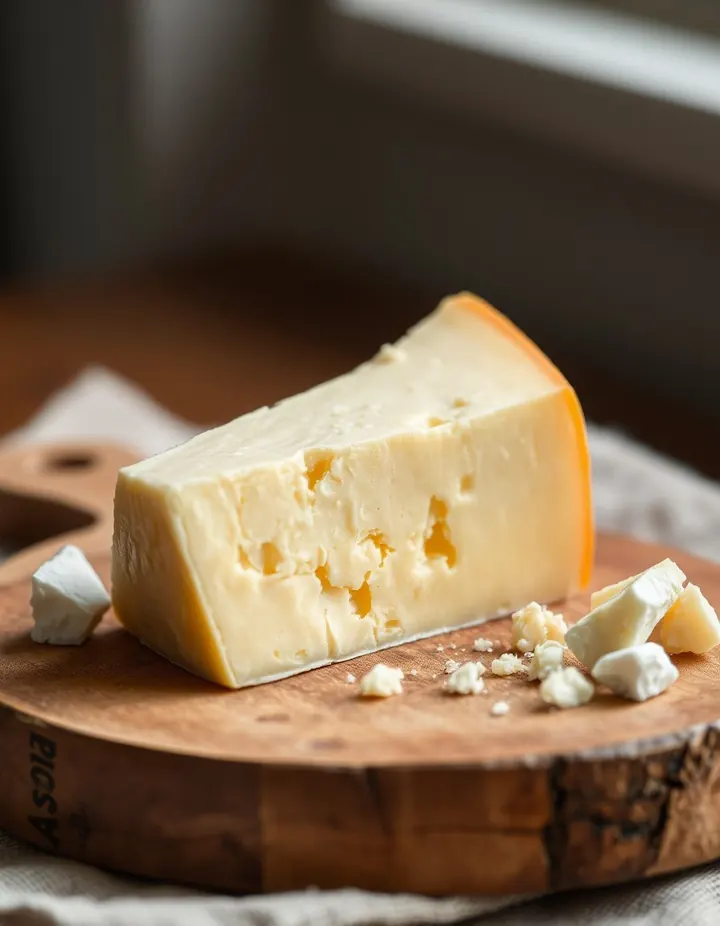
- Gruyere cheese
- Melts into the filling, adding richness and a savory, binding texture.
- Egg yolk
- Binds the cooled filling together and adds richness and moisture.
The step that matters
Fry the turnovers in batches over low heat. Crowding the pan drops the oil temperature, so the dough absorbs oil and turns greasy instead of crisping. Frying in small batches keeps the oil hot enough to brown the pastry evenly while the filling heats through.
“What each ingredient does” and “The step that matters” were written by Claude, an AI, from this recipe’s own method. They are not checked recipe by recipe, so they can be wrong.
Make it your own
Stand-ins, a drink, and quick taste fixes for this dish, ranked by how well each fits its other ingredients: shared aroma molecules and how often recipes combine them.
You might also like
 Illustration
 Illustration
 Illustration
 Illustration
The Sunday pairing: one pairing, the chemistry behind it, and how to cook it. No spam, unsubscribe anytime.
Prefer an account? Create a free account for sign-in; Pro adds the full results and chemistry.