Why it works: Sugar and flour are a kitchen classic. They rank in the top 15% of all ingredient pairs, and cooks put them together in 92,116 recipes. Both carry phenylacetaldehyde, which smells hawthorne, honey. The science ↓
Homemade Pita Bread
Ingredients
Directions
Make the dough
Combine the yeast and sugar in a small bowl.
Add 1/2 cup of warm water and let stand for 10 minutes to proof.
Dissolve the salt in the remaining warm water.
Put the flour in a large mixing bowl. Make a well in the middle of the flour.
Pour the dissolved yeast and salt water into the well.
With your hands, blend the mixture into a dough.
Knead the dough in the bowl with your fists for 10–15 minutes or until it is smooth.
Pour the olive oil over the dough. Knead the dough again until the oil is absorbed.
Rise and shape
Cover the dough with a towel and set it in a draft‑free area to rise to double its bulk (1–2 hours).
Punch the dough down and knead again for a few minutes.
Preheat the oven to 350 °F.
Cut pieces of dough the size of an egg or larger, depending on the desired pita size. Shape the dough pieces into balls with your hands.
Roll each ball over a lightly floured board or pastry cloth to a thickness of 1/4 inch.
Bake, store and serve
Set 2 or 3 pitas on a lightly oiled cookie sheet. Bake the pitas on the lower rack for 2–3 minutes each side.
Wrap the baked pitas in a clean towel until they are cool.
Store the wrapped pitas in plastic bags to prevent them from drying out.
When ready to use, heat a bit of oil in a shallow skillet. Fry the pitas a minute or so on each side, or until golden brown.
Use the pitas immediately, because they get hard when they dry out.
Nutrition, whole recipe (rough)
Counts 4 of 5 ingredients. The other 1 aren't in our nutrition table and add nothing above, so the real totals are higher.
What these numbers assume: 4 portions
| Ingredient | Portion assumed | kcal |
|---|---|---|
| Flour | 1 cup (125g) all-purpose | 455 |
| Olive Oil | 1 tbsp (14g) | 119 |
| Sugar | 1 tbsp (12.5g) granulated | 49 |
| Salt | 1 tsp (6g) | 0 |
| Water | not in our table | 0 |
One typical portion per ingredient; the recipe's quantities are not counted. A rough guide only, not for medical or dietary planning.
Steps grouped into stages for easier reading; the method is the source's own.
Explore the science
The flavor team
The pairs that carry this dish. Each one is judged two ways: how much their aromas overlap, and how often cooks already put them together.
-
Sugar + flourtop 15% of all pairsSmell alikemoderateCooked together92,116 recipes
Shared aroma: phenylacetaldehyde (hawthorne, honey).
-
Flour + olivetop 19% of all pairsSmell alikemoderateCooked together16,871 recipes
Shared aroma: isobutyraldehyde (malty, green).
-
Sugar + olivetop 35% of all pairsSmell alikelowCooked together12,483 recipes
Shared aroma: 1-penten-3-one (fish, pungent).
Sugar and olive barely smell alike, yet cooks put them together in 12,483 recipes: they work on texture and structure more than aroma.
Ranks compare each pair with 20,000 random ingredient pairs on CompKitchen. How we score pairs
What each ingredient does
- Flour
- Forms the gluten network that gives the dough its elastic, chewy structure.
- Yeast
- Ferments sugars to produce gas, making the dough rise and become light.
- Water
- Hydrates the flour so gluten can form and activates the yeast.
- Olive oil
- Adds fat that keeps the dough tender and supple.
- Sugar
- Feeds the yeast during proofing and adds a little sweetness and browning.
The step that matters
Baking and the pocket-forming rise. Rolled dough must be baked hot and quickly so steam from the water inside puffs it into a pocket before the surface dries. Dough that is too thick or too dry will not puff properly and stays flat.
“What each ingredient does” and “The step that matters” were written by Claude from this recipe’s own method and reviewed in samples by CompKitchen.
You might also like
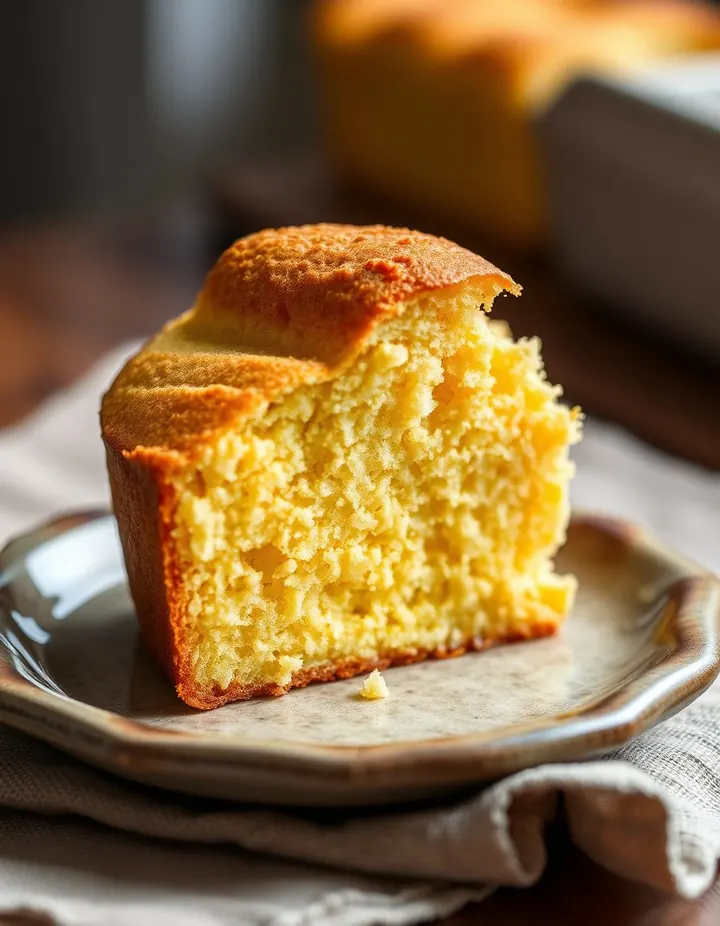 Cornbread345 recipes
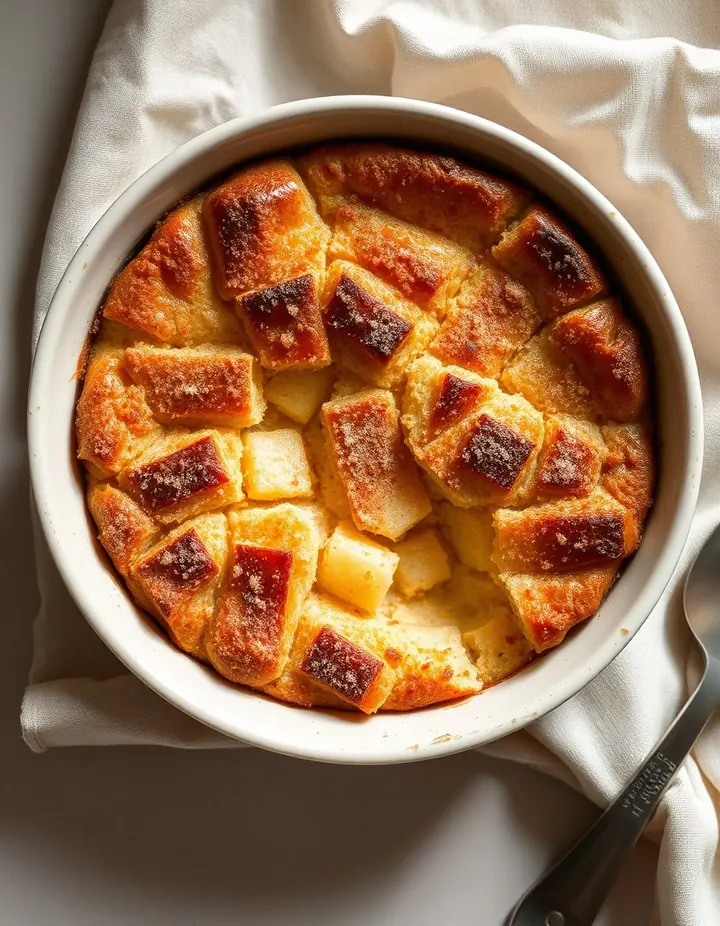 Bread Pudding336 recipes
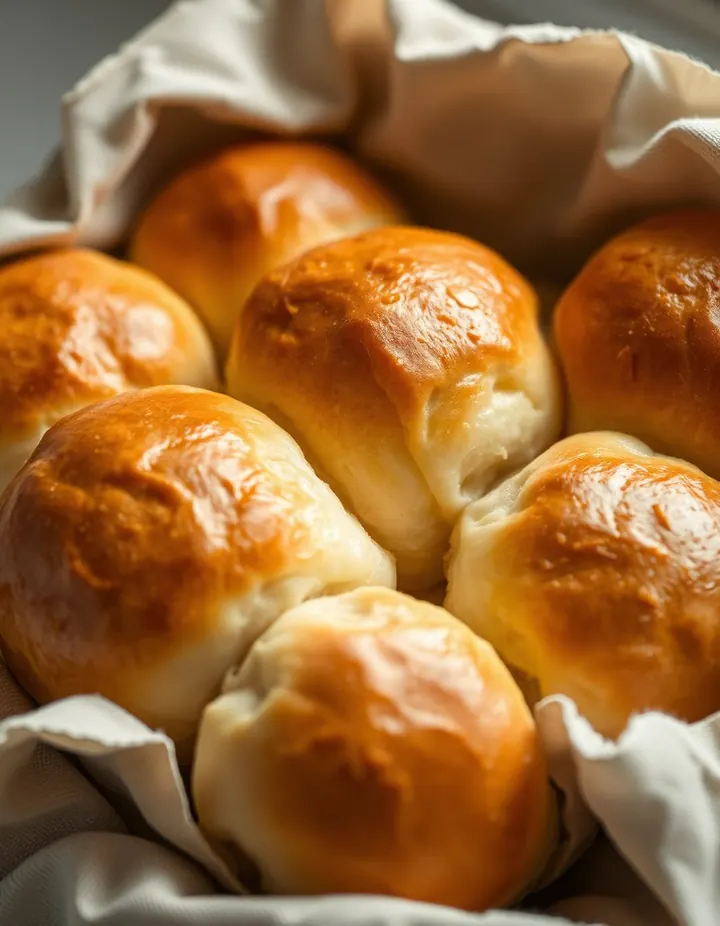 Milk Bread Rolls242 recipes
 Potato Bread124 recipes
The free Flavor Lab newsletter: one surprising pairing a week and the molecular reason it works, in 60 seconds. No spam, unsubscribe anytime.
Prefer an account? Create a free account to save pairings and unlock the full chemistry.