Why it works: Vanilla and sugar are a kitchen classic. They rank in the top 8% of all ingredient pairs, and cooks put them together in 35,032 recipes. Both carry beta-damascenone, which smells apple, rose. The science ↓
Cream Cheese Mini-Cakes
Ingredients
Directions
Prepare the batter
Line 4 ramekins (9 x 5 centimeters) with greaseproof paper, either cutting pieces to size or pressing the paper into the dishes so the finished cakes have a ripply, crinkled shape.
Put the cream cheese and white wine into a heatproof container, cover, and microwave for 20 seconds at 500 watts.
Take out and whisk until creamy.
Add the double cream, oil, and vanilla extract, and mix well.
In a separate bowl, beat the eggs.
Add the sugar and whisk until it thickens.
Add the flour and baking powder to the egg mixture.
Whisk lightly, then add the cream cheese mixture.
Half fill each ramekin dish with batter.
Cook and unmould
Cover loosely with cling film/plastic wrap, allowing plenty of room for the cakes to rise.
Microwave on low heat (150-200 watts) for 5 minutes.
Turn up to a higher heat (500 watts) and microwave for another 1 1/2 minutes.
Turn the cakes out while they are still hot and peel off the greaseproof paper.
Make the optional fillings
Optional buttercream: mix caster sugar with softened butter until it becomes pale.
Slowly add double cream, mixing as you go.
Optional peanut filling: add caster sugar to 6 tablespoons double cream.
Whisk for 5-6 minutes, until thick, then add peanut butter and mix well.
Nutrition, whole recipe (rough)
Counts 10 of 11 ingredients. The other 1 aren't in our nutrition table and add nothing above, so the real totals are higher.
What these numbers assume: 10 portions
| Ingredient | Portion assumed | kcal |
|---|---|---|
| Flour | 1 cup (125g) all-purpose | 455 |
| Peanut | 1 oz (28g) | 161 |
| Olive Oil | 1 tbsp (14g) | 119 |
| Butter | 1 tbsp (14g) | 102 |
| Cream Cheese | 1 oz (28g) | 99 |
| Egg | 1 large egg (50g) | 78 |
| Cream | 1 tbsp (15ml) heavy | 51 |
| Sugar | 1 tbsp (12.5g) granulated | 49 |
| Wine | 2 tbsp cooking wine (30ml) | 25 |
| Vanilla | 1 tsp extract (4ml) | 12 |
| Sunflower Oil | not in our table | 0 |
One typical portion per ingredient; the recipe's quantities are not counted. A rough guide only, not for medical or dietary planning.
Steps grouped into stages for easier reading; the method is the source's own.
Explore the science
The flavor team
The pairs that carry this dish. Each one is judged two ways: how much their aromas overlap, and how often cooks already put them together.
-
Vanilla + sugartop 8% of all pairsSmell alikelowCooked together35,032 recipes
Shared aroma: beta-damascenone (apple, rose).
-
Cream + sugartop 9% of all pairsSmell alikemoderateCooked together43,450 recipes
Shared aroma: 2,3-butanedione (butter, sweet).
-
Sunflower + vanillatop 10% of all pairsSmell alikestrongCooked together192 recipes
Shared aroma: eucalyptol (eucalyptus, herbal).
-
Sunflower + flourtop 12% of all pairsSmell alikemoderateCooked together803 recipes
Shared aroma: isobutyraldehyde (malty, green).
-
Vanilla + flourtop 12% of all pairsSmell alikemoderateCooked together19,241 recipes
Shared aroma: isobutyraldehyde (malty, green).
Vanilla and sugar barely smell alike, yet cooks put them together in 35,032 recipes: they work on texture and structure more than aroma.
Ranks compare each pair with 20,000 random ingredient pairs on CompKitchen. How we score pairs
What each ingredient does
- Cream cheese
- Adds richness and a dense, creamy moisture to the crumb.
- Eggs
- Provide structure as they set, giving the cakes their body and rise.
- Plain flour
- Forms the starch framework that sets the crumb once heated.
- Granulated sugar
- Sweetens the batter and helps whisk the eggs to a thicker, more stable foam.
- Baking powder
- Releases gas during heating so the cakes rise and become light.
- Double cream
- Adds fat and moisture, leaving the crumb tender and soft.
The step that matters
Microwave in two power levels. Cooking gently at low power first lets the batter rise and set evenly; a high-power finish then firms the centre. Too much high power early can overheat the edges, leaving them dry and the middle underdone.
“What each ingredient does” and “The step that matters” were written by Claude from this recipe’s own method and reviewed in samples by CompKitchen.
You might also like
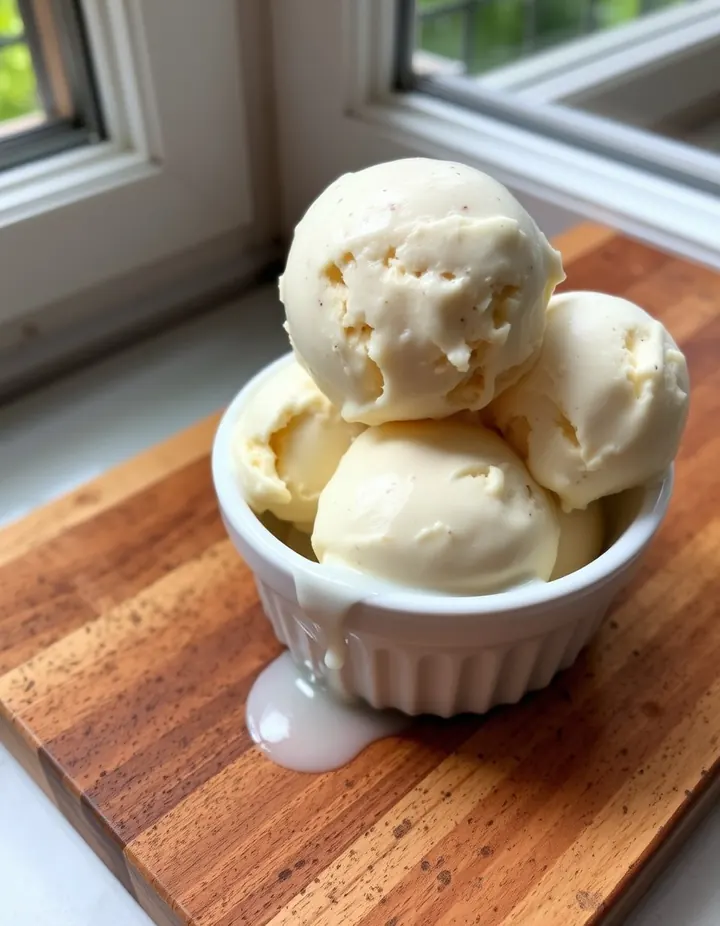 Vanilla Ice Cream108 recipes
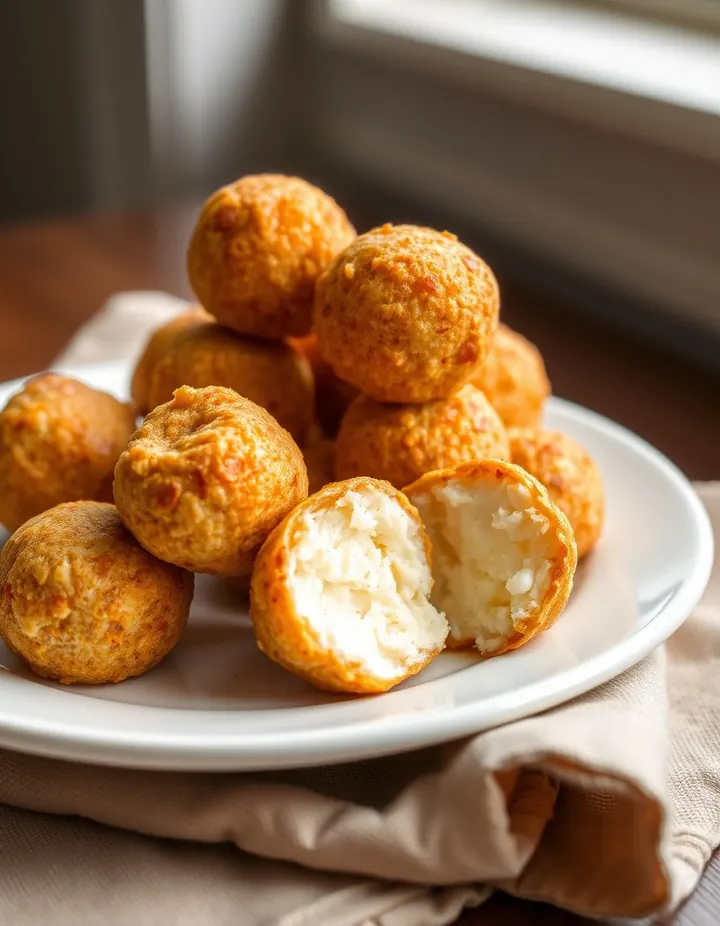 Cheese Balls97 recipes
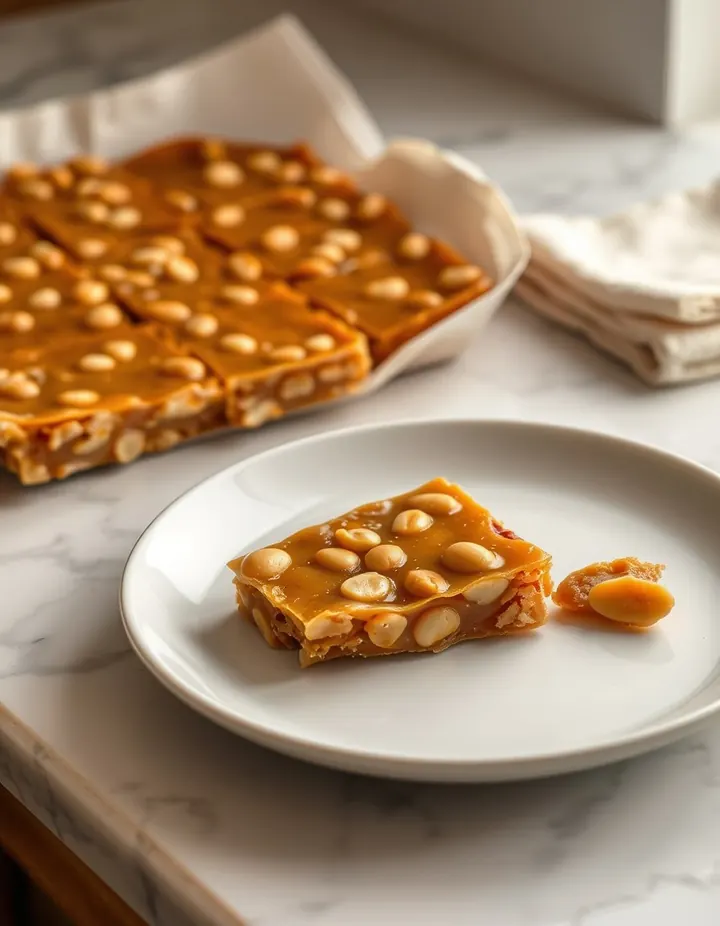 Peanut Candy82 recipes
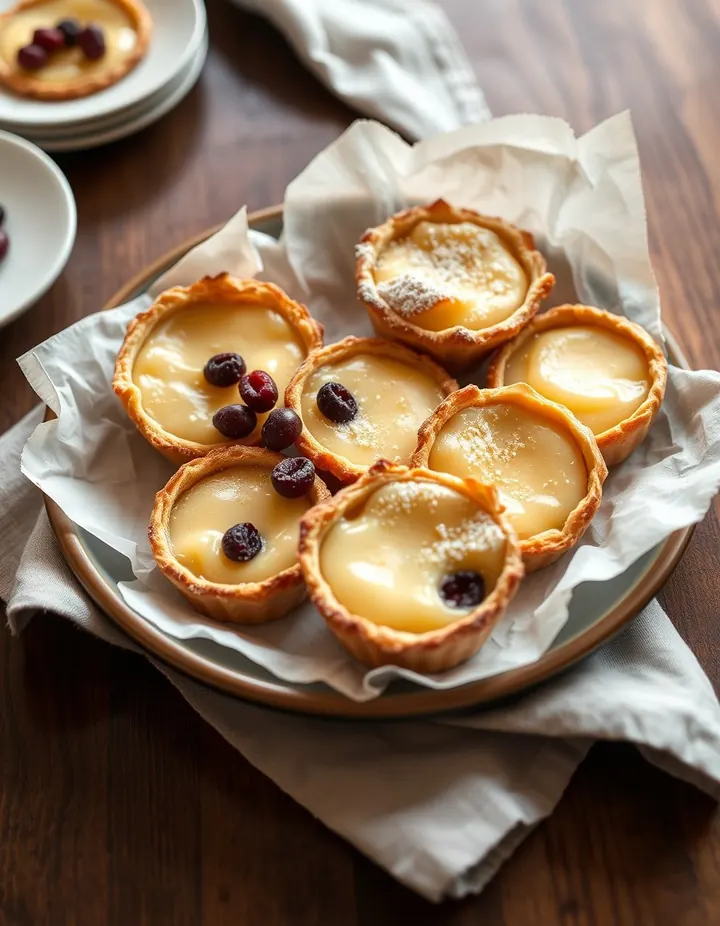 Cheese Cake55 recipes
The free Flavor Lab newsletter: one surprising pairing a week and the molecular reason it works, in 60 seconds. No spam, unsubscribe anytime.
Prefer an account? Create a free account to save pairings and unlock the full chemistry.