Why it works: Corn and pork are a kitchen classic. They rank in the top 9% of all ingredient pairs, and cooks put them together in 1,069 recipes. Both carry 2-nonenal, which smells fatty, green. The science ↓
Salvadorian White Corn Cakes with Pork, Beans, Cheese
Ingredients
Directions
Make the dough
Combine corn flour, water, and butter in a standing mixer fitted with a whisk attachment.
Mix until incorporated into dough.
Let dough rest for ½ hour.
Make the filling
Melt lard in a medium sauté pan.
Add onion and pork and cook until translucent.
Set aside and cool.
Assemble and cook
Portion the dough into small balls, about 1 ounce each, and flatten with hands.
Place about 1 tablespoon of pork stuffing on top of each flattened dough and sprinkle with cheese.
Cover with another flattened dough disk and seal edges by pinching them together.
Cook on an electric flat top or cast‑iron griddle for about 4 minutes per side, or until golden brown.
Serve with refried beans.
Nutrition, whole recipe (rough)
Counts 7 of 8 ingredients. The other 1 aren't in our nutrition table and add nothing above, so the real totals are higher.
What these numbers assume: 7 portions
| Ingredient | Portion assumed | kcal |
|---|---|---|
| Flour | 1 cup (125g) all-purpose | 455 |
| Pork | 100g cooked | 242 |
| Lard | 1 tbsp (12.8g) | 115 |
| Butter | 1 tbsp (14g) | 102 |
| Corn | 1/2 cup kernels (82g) | 77 |
| Onion | 1 medium (110g) | 44 |
| Salt | 1 tsp (6g) | 0 |
| Water | not in our table | 0 |
One typical portion per ingredient; the recipe's quantities are not counted. A rough guide only, not for medical or dietary planning.
Steps grouped into stages for easier reading; the method is the source's own.
Explore the science
The flavor team
The pairs that carry this dish. Each one is judged two ways: how much their aromas overlap, and how often cooks already put them together.
-
Corn + porktop 9% of all pairsSmell alikemoderateCooked together1,069 recipes
Shared aroma: 2-nonenal (fatty, green).
-
Onion + porktop 10% of all pairsSmell alikemoderateCooked together18,214 recipes
Shared aroma: 2-isopropyl-3-methoxypyrazine (earthy, pea).
-
Flour + buttertop 12% of all pairsSmell alikelowCooked together124,287 recipes
Shared aroma: isobutyraldehyde (malty, green).
-
Corn + oniontop 13% of all pairsSmell alikemoderateCooked together4,205 recipes
Shared aroma: hexanal (green, grassy).
-
Corn + flourtop 13% of all pairsSmell alikemoderateCooked together6,165 recipes
Shared aroma: isobutyraldehyde (malty, green).
Flour and butter barely smell alike, yet cooks put them together in 124,287 recipes: they work on texture and structure more than aroma.
Ranks compare each pair with 20,000 random ingredient pairs on CompKitchen. How we score pairs
What each ingredient does
- Tortilla-ground corn flour
- Forms the dough that gives the cakes their structure and corn flavor.
- Melted butter
- Adds fat that enriches the dough and softens its texture.
- Roasted pork
- Provides the savory, rich filling inside each cake.
- Queso blanco
- Melts slightly inside the cake, adding milky, salty flavor.
- Lard
- Fat used to cook the onion and pork, carrying flavor into the filling.
The step that matters
Cooking the cakes on the griddle. Cook over moderate heat so the dough cooks through and browns evenly. Too high a heat scorches the outside before the center is set, while too low a heat leaves them pale and doughy.
Swap the onion
How well each one fits the dish's main ingredients (corn, flour, butter, pork):
- Potatofits better
- Capsicumfits better
- Asparagusfits better
- Onionthe original
Fit is the average pairing score against corn, flour, butter, pork. Candidates are from the same food group and used in at least 100 recipes.
“What each ingredient does” and “The step that matters” were written by Claude from this recipe’s own method and reviewed in samples by CompKitchen.
You might also like
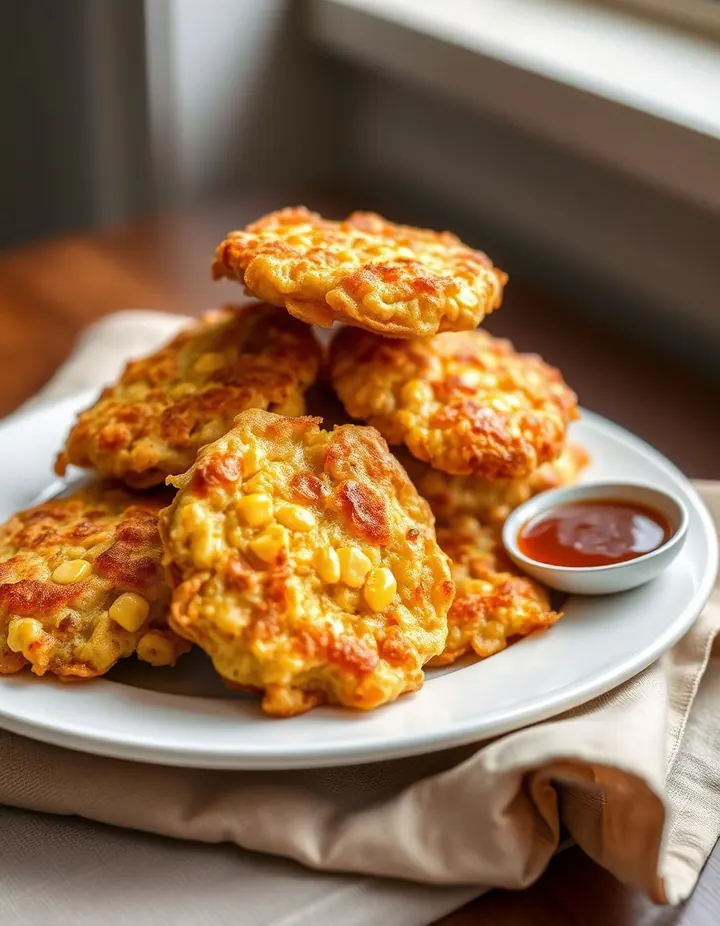 Corn Fritters203 recipes
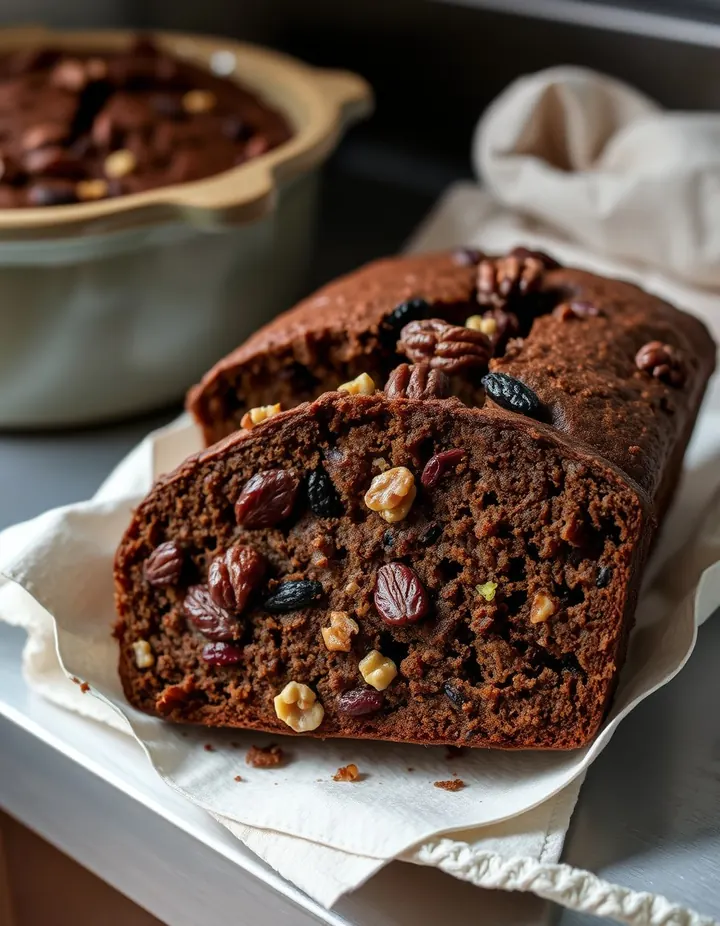 Pork Cake107 recipes
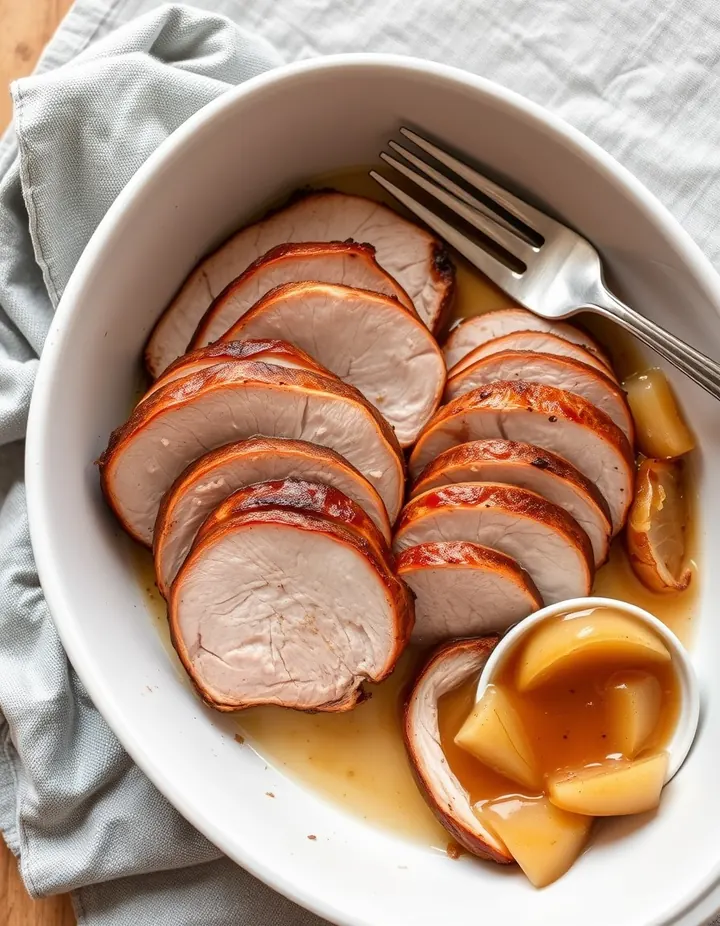 Roast Pork82 recipes
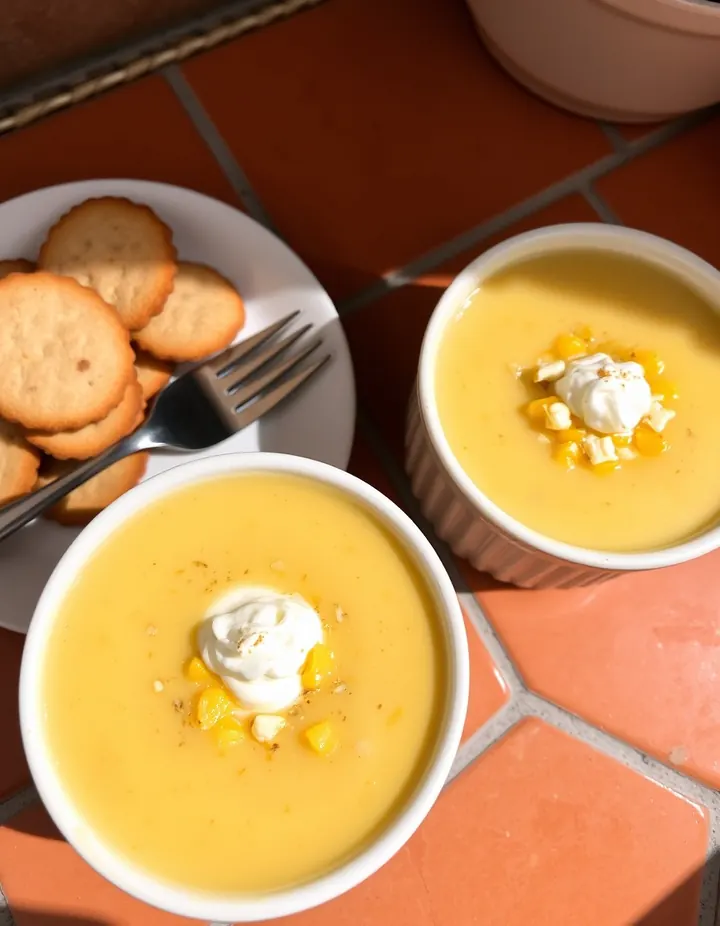 Cream of Corn Soup50 recipes
The free Flavor Lab newsletter: one surprising pairing a week and the molecular reason it works, in 60 seconds. No spam, unsubscribe anytime.
Prefer an account? Create a free account to save pairings and unlock the full chemistry.