Why it works: Coriander and lime match in chemistry and in kitchens. They rank in the top 1% of all ingredient pairs, and 3,536 recipes mention both. Both carry beta-phellandrene, which smells minty, terpene. The science ↓
Keng Pa Sai
Ingredients
Directions
Prepare the broth
Put 3 metal jugfuls (3 pints) of water in a soup pot and place the pot on the fire.
Add salt, the 6 spring onions, and the bunches of coriander leaves with their roots.
When the water boils, add the pork bones and put the lid on the pot.
Leave it until the bones are cooked sufficiently for the meat to fall off them.
Take the pot off the fire and spoon out the meat.
If there is still any fat left, cut it all off.
Strain the broth and return it to the pot.
Add the meat and return the pot to the fire.
Make the soup
Add the shallots, the jelly mushrooms and the fish sauce.
When the shallots are cooked, add the Chinese vermicelli.
When all is done, taste and check the saltiness.
Take the pot off the fire and add the prepared strips of omelette and the dried fish.
Serve
Serve in a bowl and garnish with the chopped spring onion leaves, the chopped coriander leaves, the finely chopped Kaffir lime leaves and the ground black pepper.
Accompany the dish with Jaew Kapi and fried vegetables.
This recipe comes from the Recipes Wiki on Fandom and is licensed CC BY-SA 4.0. Our formatting and summaries are shared under the same licence.
Steps grouped into stages for easier reading; the method is the source's own.
Explore the science
The flavor team
The pairs that carry this dish. Each one is judged two ways: how much aroma chemistry they share, and how many recipes mention both.
-
Coriander + limetop 1% of all pairsAroma overlapstrongMentioned together3,536 recipes
Shared aroma: beta-phellandrene (minty, terpene).
-
Shallot + mushroomtop 4% of all pairsAroma overlapmoderateMentioned together1,982 recipes
Shared aroma: 2,4-decadienal (seaweed).
-
Shallot + limetop 5% of all pairsAroma overlapstrongMentioned together258 recipes
Shared aroma: eucalyptol (eucalyptus, herbal).
-
Pork + mushroomtop 8% of all pairsAroma overlapmoderateMentioned together3,875 recipes
Shared aroma: 2-methoxy-4-propylphenol (allspice, anise).
-
Shallot + oniontop 8% of all pairsAroma overlapstrongMentioned together2,431 recipes
Shared aroma: 2,4-decadienal (seaweed).
Ranks compare each pair with 20,000 random ingredient pairs on CompKitchen. How we score pairs
What each ingredient does
- Pork bones
- Simmering releases collagen and gelatin, giving the broth body and a rich mouthfeel.
- Shallots
- Cooking softens them and mellows their sharp bite into a sweet, aromatic flavour.
- Jelly mushrooms
- Boiling gives them a slippery, springy texture that contrasts with the soft noodles.
- Kaffir lime leaves
- Their finely chopped oils add a bright, citrusy aroma to the broth.
- Fish sauce
- Adds salty, savoury depth that rounds out the broth.
- Eggs
- Thin omelette strips add soft, mild egg flavour and a tender texture.
The step that matters
Checking the saltiness. Salt from the fish sauce and seasoning concentrates as the broth reduces, and it is hard to correct once other ingredients are added, so taste carefully before serving.
Flavor stand-ins for the onion
How well each one fits the dish's main ingredients (pork, fish, shallot, mushroom, egg, coriander, lime):
- Chivebetter flavor fit
- Capsicumbetter flavor fit
- Spinachbetter flavor fit
- Onionthe original
Fit is the average pairing score against pork, fish, shallot, mushroom, egg, coriander, lime. Candidates are from the same food group and used in at least 100 recipes. This compares flavor only: it does not check the job the ingredient does in the dish (bulk, moisture, acidity, structure).
“What each ingredient does” and “The step that matters” were written by Claude from this recipe’s own method and reviewed in samples by CompKitchen.
You might also like
 Fried Fish120 recipes
 Pork Cake107 recipes
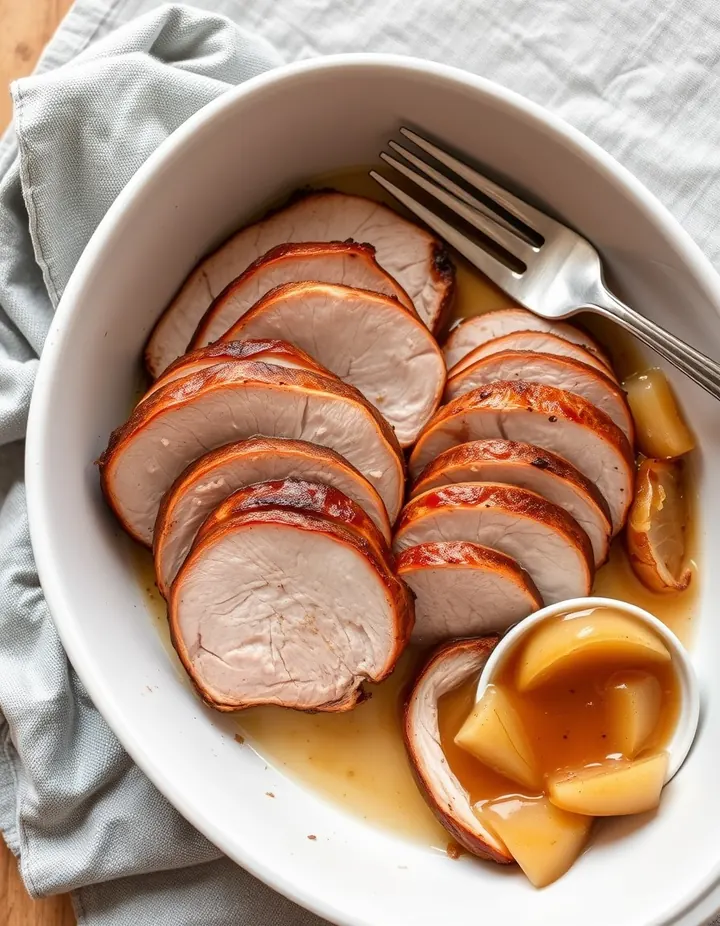 Roast Pork82 recipes
 Fish Croquettes81 recipes
The Sunday pairing: one pairing, the chemistry behind it, and how to cook it. No spam, unsubscribe anytime.
Prefer an account? Create a free account for sign-in; Pro adds the full results and chemistry.