Why it works: Tomato and rice match in chemistry and in kitchens. They rank in the top 6% of all ingredient pairs, and cooks put them together in 3,065 recipes. Both carry trans-2-nonenal, which smells cardboard, fatty. The science ↓
So'O-Yosopy
Ingredients
Directions
Prepare
Have the butcher grind the meat twice, then mash it in a mortar to make sure it is completely pulverized or use a food processor. Set the meat aside together with any juices.
Heat the oil in a skillet and sauté the onions and pepper until the onions are softened. Add the tomatoes and cook until the mixture is thick and well blended, about 5 minutes longer. Cool the mixture slightly.
Make the soup
Put the beef and its juices into a saucepan. Stir in the sautéed onions, pepper, and tomatoes, known as the sofrito, and 8 cups cold water. Mix well. Bring to a boil over moderate heat, stirring with a wooden spoon.
Add the rice or noodles and simmer, still stirring, until tender, about 15 minutes. At this point, season to taste with salt. If salt is added earlier the meat and the liquid, which should be completely blended, may separate.
Serve
Serve with a baked sweet potato or a thick slice of broiled yucca (cassava), or both, and Sopa Paraguaya, Paraguayan Corn Bread despite its misleading name. Sprinkle, if liked, with grated cheese.
Nutrition, whole recipe (rough)
What these numbers assume: 9 portions
| Ingredient | Portion assumed | kcal |
|---|---|---|
| Beef | 100g cooked | 250 |
| Rice | 1 cup cooked (158g) white | 206 |
| Olive Oil | 1 tbsp (14g) | 119 |
| Parmesan Cheese | 1 oz (28g) | 110 |
| Onion | 1 medium (110g) | 44 |
| Bell Pepper | 1 medium (119g) | 31 |
| Tomato | 1 medium (123g) | 22 |
| Pepper | 1 tsp ground (2.3g) | 6 |
| Salt | 1 tsp (6g) | 0 |
One typical portion per ingredient; the recipe's quantities are not counted. A rough guide only, not for medical or dietary planning.
Steps grouped into stages for easier reading; the method is the source's own.
Explore the science
The flavor team
The pairs that carry this dish. Each one is judged two ways: how much their aromas overlap, and how often cooks already put them together.
-
Tomato + ricetop 6% of all pairsSmell alikestrongCooked together3,065 recipes
Shared aroma: trans-2-nonenal (cardboard, fatty).
-
Pepper + tomatotop 7% of all pairsSmell alikemoderateCooked together17,923 recipes
Shared aroma: 2-isopropyl-3-methoxypyrazine (earthy, pea).
-
Onion + tomatotop 8% of all pairsSmell alikemoderateCooked together20,633 recipes
Shared aroma: 2-isopropyl-3-methoxypyrazine (earthy, pea).
-
Tomato + parmesan cheesetop 9% of all pairsSmell alikemoderateCooked together2,490 recipes
Shared aroma: 4'-methylacetophenone (bitter almond).
-
Rice + parmesan cheesetop 9% of all pairsSmell alikemoderateCooked together879 recipes
Shared aroma: 4'-methylacetophenone (bitter almond).
Ranks compare each pair with 20,000 random ingredient pairs on CompKitchen. How we score pairs
What each ingredient does
- Ground beef
- Provides the main body and protein of the soup; finely ground meat blends into the broth.
- Onions
- Soften and sweeten as they cook, forming the flavor base of the sofrito.
- Tomatoes
- Cook down into a thick, acidic base that gives the soup its color and body.
- Rice or vermicelli
- Absorbs liquid and thickens the soup as it simmers until tender.
The step that matters
Add the salt at the end. Salt added early can make the meat and liquid separate instead of staying completely blended, so season only after the rice is tender.
Swap the onion
How well each one fits the dish's main ingredients (pepper, tomato, rice, parmesan cheese):
- Capsicumfits better
- Spinachfits better
- Asparagusfits better
- Onionthe original
Fit is the average pairing score against pepper, tomato, rice, parmesan cheese. Candidates are from the same food group and used in at least 100 recipes.
“What each ingredient does” and “The step that matters” were written by Claude from this recipe’s own method and reviewed in samples by CompKitchen.
You might also like
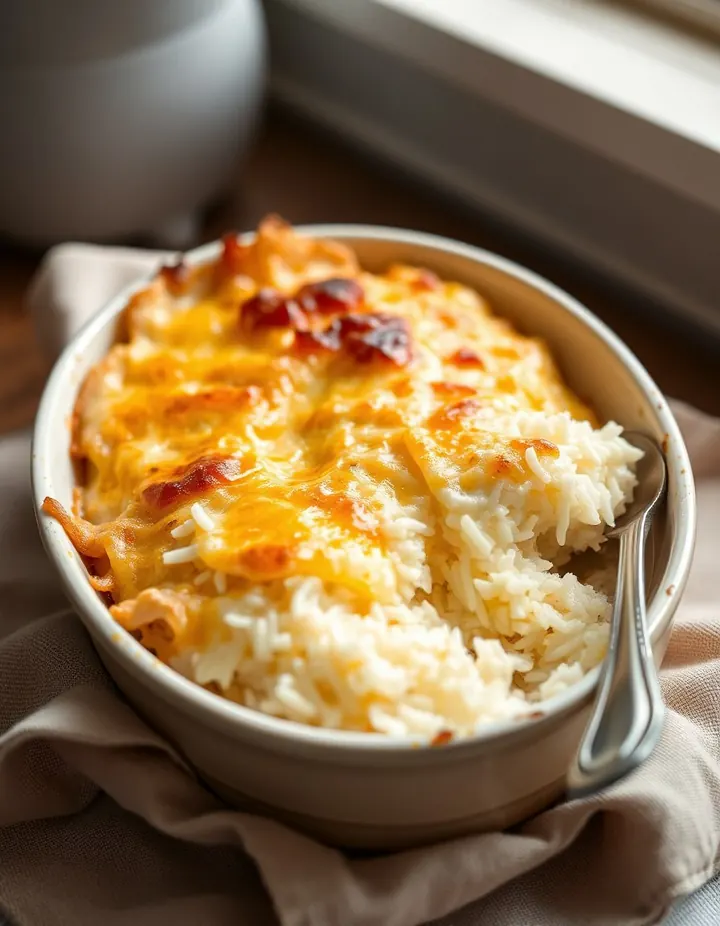 Rice and Cheese Casserole23 recipes
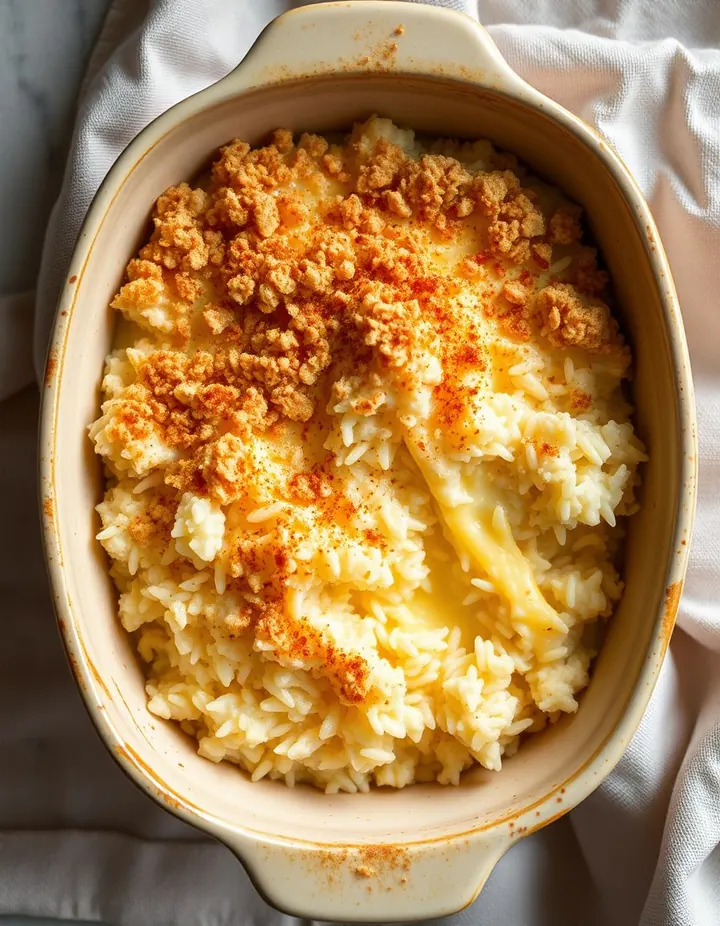 Cheese Rice12 recipes
 Tomato Soup526 recipes
 Cream of Tomato Soup107 recipes
The free Flavor Lab newsletter: one surprising pairing a week and the molecular reason it works, in 60 seconds. No spam, unsubscribe anytime.
Prefer an account? Create a free account to save pairings and unlock the full chemistry.