Why it works: Sugar and apple cider vinegar work together. They rank in the top 17% of all ingredient pairs, and cooks put them together in 455 recipes. Both carry guaiacol, which smells smoky, sweet. The science ↓
Rupsades or Portuguese Candy
Ingredients
Directions
Cook the mixture
Boil all ingredients until thick and brandy-colored.
Shape and wrap
Work small amounts on a cookie sheet to form twists and wrap in wax paper.
You have to work fast because when it cools it will not be pliable.
Be very careful, as this mixture is hot and can burn you.
Nutrition, whole recipe (rough)
Counts 2 of 3 ingredients. The other 1 aren't in our nutrition table and add nothing above, so the real totals are higher.
What these numbers assume: 2 portions
| Ingredient | Portion assumed | kcal |
|---|---|---|
| Sugar | 1 tbsp (12.5g) granulated | 49 |
| Vinegar | 1 tbsp (15ml) distilled | 3 |
| Water | not in our table | 0 |
One typical portion per ingredient; the recipe's quantities are not counted. A rough guide only, not for medical or dietary planning.
Steps grouped into stages for easier reading; the method is the source's own.
Explore the science
The flavor team
The pairs that carry this dish. Each one is judged two ways: how much their aromas overlap, and how often cooks already put them together.
-
Sugar + apple cider vinegartop 17% of all pairsSmell alikelowCooked together455 recipes
Shared aroma: guaiacol (smoky, sweet).
Ranks compare each pair with 20,000 random ingredient pairs on CompKitchen. How we score pairs
What each ingredient does
- Sugar
- Caramelizes as it boils, giving the mixture its brown color and sweet flavor.
- Apple cider vinegar
- Adds acidity that helps keep the sugar from crystallizing as it cooks.
The step that matters
Shape while the mixture is still warm. As the cooked sugar cools it stiffens and loses pliability, so twists must be formed quickly while it remains soft and workable.
“What each ingredient does” and “The step that matters” were written by Claude from this recipe’s own method and reviewed in samples by CompKitchen.
You might also like
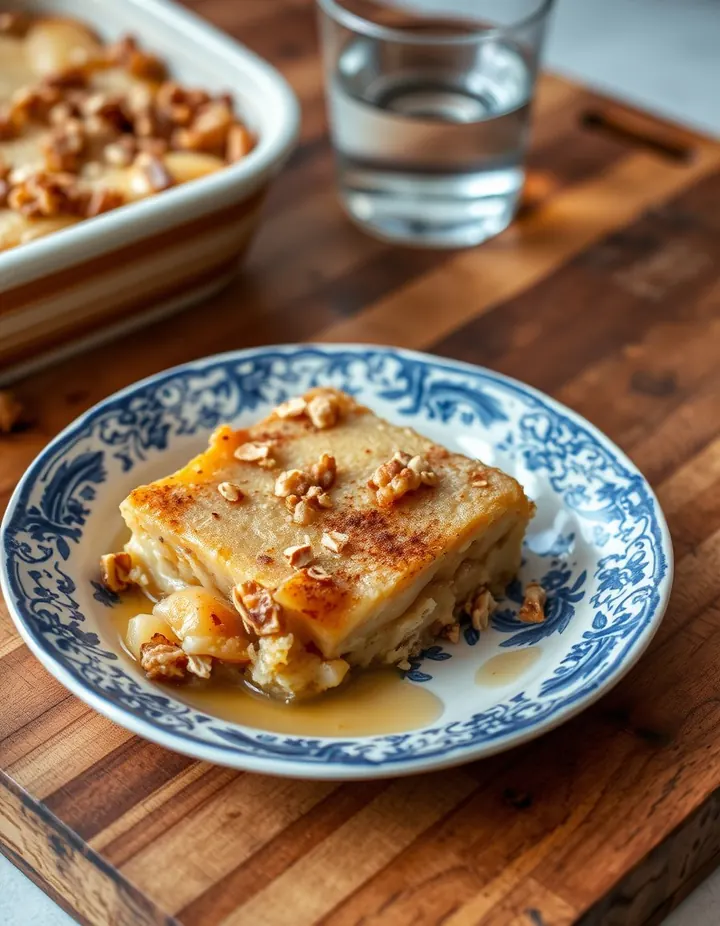 Apple Pudding256 recipes
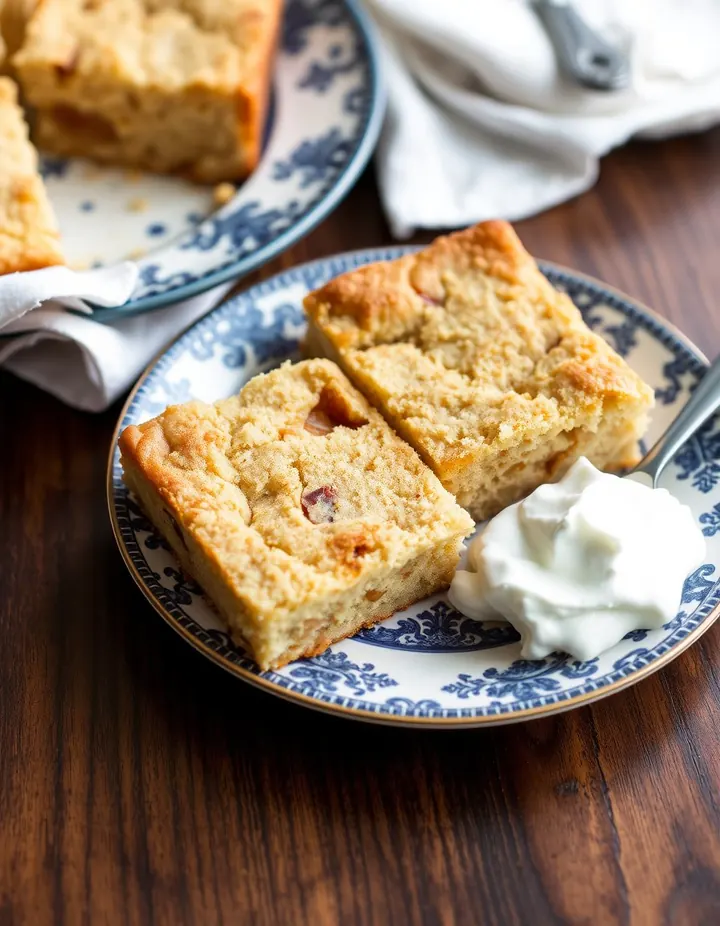 Apple Cake80 recipes
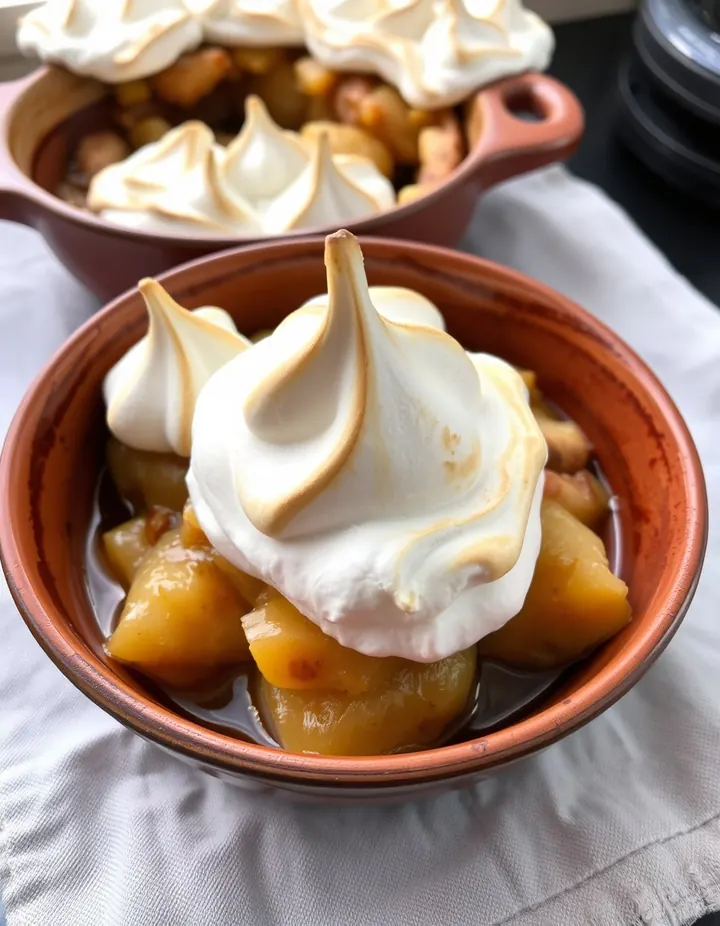 Apple Meringue75 recipes
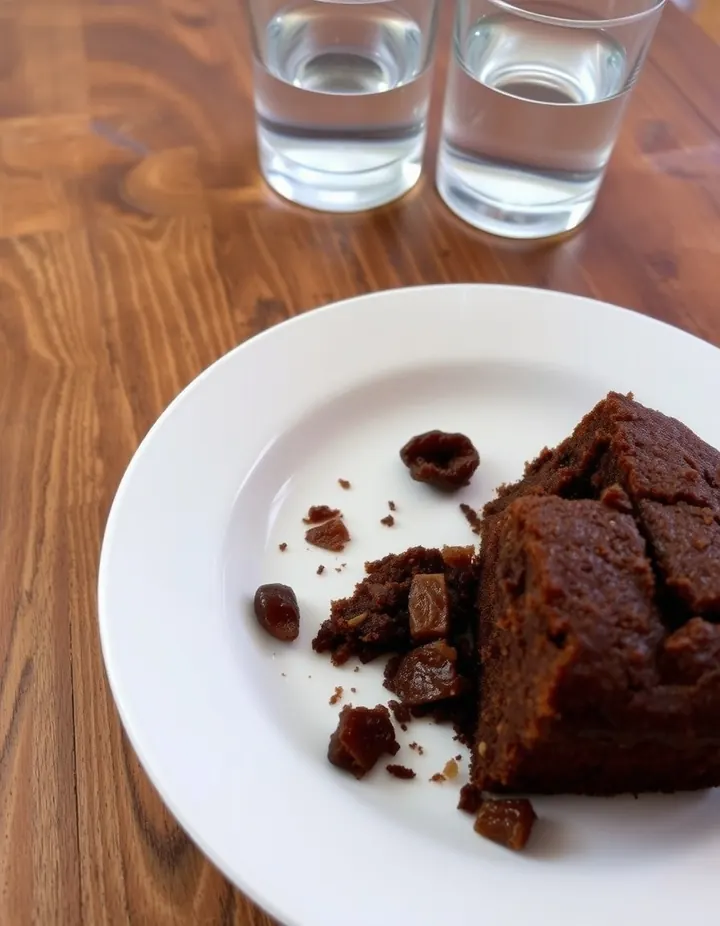 Dried Apple Cake51 recipes
The free Flavor Lab newsletter: one surprising pairing a week and the molecular reason it works, in 60 seconds. No spam, unsubscribe anytime.
Prefer an account? Create a free account to save pairings and unlock the full chemistry.