Why it works: Coriander and sunflower match in chemistry and in kitchens. They rank in the top 4% of all ingredient pairs, and cooks put them together in 369 recipes. Both carry eucalyptol, which smells eucalyptus, herbal. The science ↓
Afelia
Ingredients
Directions
Marinate
Marinate the pork cubes in the wine and spices for at least 4 hours, preferably overnight.
Remove the pork from the marination and set aside the remaining liquid.
Brown and braise
Heat the oil in a heavy-based pot and brown the pork cubes a few at a time until all are crisp and brown. Add more oil if necessary.
Remove excess oil from the pan.
Return all the pork to the pot, pour over the reserved marination, and add enough cold water to just cover the meat.
Cover the pot with a lid and cook gently, either in the oven or on the hob, for about 30 minutes or until the pork is tender.
Reduce the sauce
Allow most of the liquid to evaporate until a thick sauce remains.
If needed, cook the afelia uncovered for an additional 10 minutes to reduce excess liquid.
Nutrition, whole recipe (rough)
Counts 7 of 9 ingredients. The other 2 aren't in our nutrition table and add nothing above, so the real totals are higher.
What these numbers assume: 7 portions
| Ingredient | Portion assumed | kcal |
|---|---|---|
| Pork | 100g cooked | 242 |
| Sunflower | 1 oz (28g) hulled | 165 |
| Olive Oil | 1 tbsp (14g) | 119 |
| Wine | 2 tbsp cooking wine (30ml) | 25 |
| Black Pepper | 1 tsp ground (2.3g) | 6 |
| Cinnamon | 1 tsp ground (2.6g) | 6 |
| Salt | 1 tsp (6g) | 0 |
| Coriander | not in our table | 0 |
| Seed | not in our table | 0 |
One typical portion per ingredient; the recipe's quantities are not counted. A rough guide only, not for medical or dietary planning.
Steps grouped into stages for easier reading; the method is the source's own.
Explore the science
The flavor team
The pairs that carry this dish. Each one is judged two ways: how much their aromas overlap, and how often cooks already put them together.
-
Coriander + sunflowertop 4% of all pairsSmell alikestrongCooked together369 recipes
Shared aroma: eucalyptol (eucalyptus, herbal).
-
Coriander + cinnamontop 5% of all pairsSmell alikestrongCooked together1,635 recipes
Shared aroma: beta-phellandrene (minty, terpene).
-
Cinnamon + sunflowertop 5% of all pairsSmell alikestrongCooked together239 recipes
Shared aroma: eucalyptol (eucalyptus, herbal).
-
Coriander + peppertop 6% of all pairsSmell alikestrongCooked together5,949 recipes
Shared aroma: myristicin (spice, warm).
-
Pepper + cinnamontop 9% of all pairsSmell alikestrongCooked together4,890 recipes
Shared aroma: methyl cinnamate (strawberry).
Ranks compare each pair with 20,000 random ingredient pairs on CompKitchen. How we score pairs
What each ingredient does
- Lean pork
- Provides the meat that becomes tender during slow cooking.
- Red wine
- Its acidity helps flavour and tenderise the pork during marinating.
- Coriander seeds
- Add a citrusy, aromatic flavour that defines the dish.
- Cinnamon
- Adds warm, aromatic sweetness to the marinade and sauce.
- Sunflower or vegetable oil
- Conducts heat for browning the pork, building crisp, savoury colour.
The step that matters
Brown the pork in batches. Crowding the pot makes the meat steam rather than brown, so it loses the crisp, savoury crust that builds flavour. Browning in small batches gives each cube room to caramelise.
Swap the cinnamon
How well each one fits the dish's main ingredients (pork, red wine, coriander, pepper, sunflower):
- Thymefits better
- Cuminfits better
- Rosemaryfits better
- Cinnamonthe original
Fit is the average pairing score against pork, red wine, coriander, pepper, sunflower. Candidates are from the same food group and used in at least 100 recipes.
“What each ingredient does” and “The step that matters” were written by Claude from this recipe’s own method and reviewed in samples by CompKitchen.
You might also like
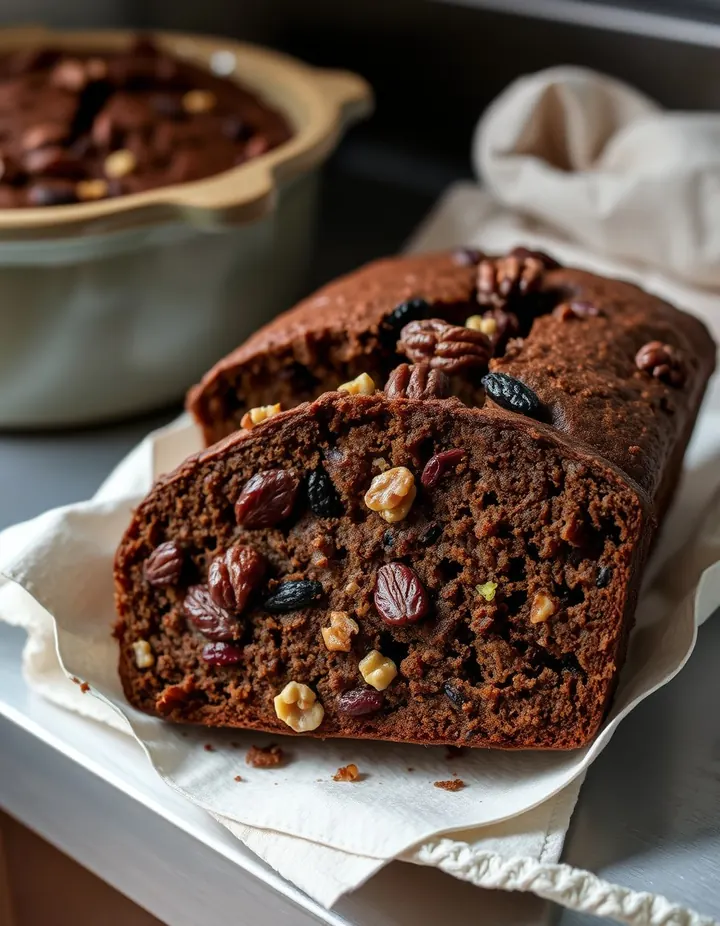 Pork Cake107 recipes
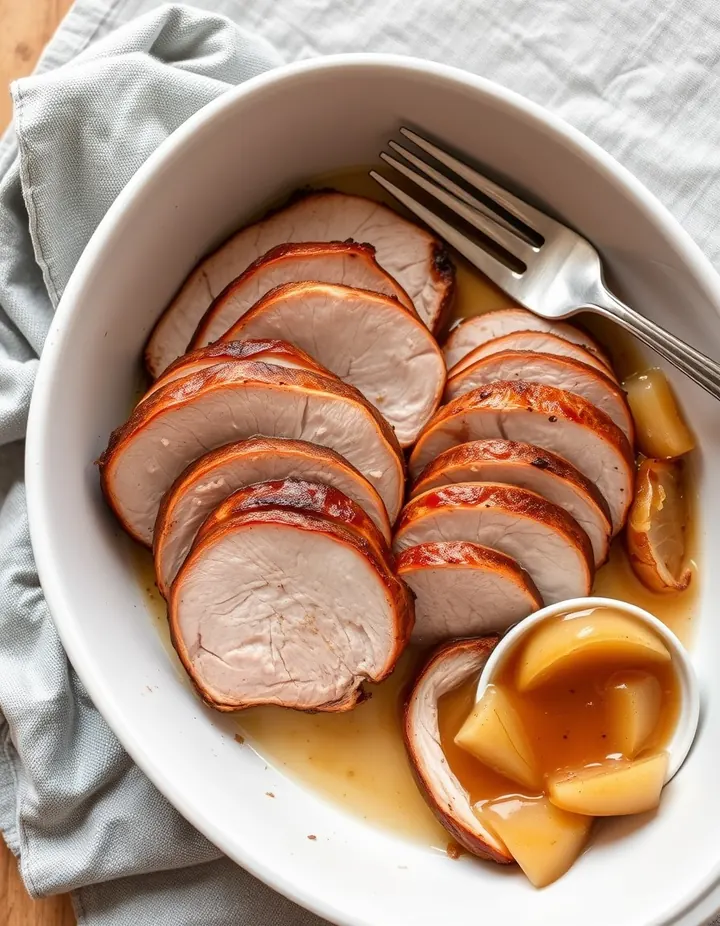 Roast Pork82 recipes
 Tomato Soup526 recipes
 Brown Bread461 recipes
The free Flavor Lab newsletter: one surprising pairing a week and the molecular reason it works, in 60 seconds. No spam, unsubscribe anytime.
Prefer an account? Create a free account to save pairings and unlock the full chemistry.