Why it works: Curry leaf and garlic work together. They rank in the top 11% of all ingredient pairs, and 10 recipes mention both. Both carry linalool, which smells floral, citrus. The science ↓
The recipe
Ingredients
Directions
Toast the spices
Mix all the ingredients.
In a large wok, toast the coconut curry mix over low heat until the coconut has turned golden brown.
Stir the contents at regular intervals while toasting to ensure even browning.
Toast the curry mix in small quantities to avoid uneven browning.
Once toasted, let cool.
Grind and store
Dry grind the mixture to a semi-coarse stage.
Keep in an airtight container until required.
Serve
Blend the required amount of ground coconut curry mix to a smooth paste.
Use as required.
This curry paste can also be used raw without toasting.
This recipe comes from the Recipes Wiki on Fandom and is licensed CC BY-SA 4.0. Our formatting and summaries are shared under the same licence.
Steps grouped into stages for easier reading; the method is the source's own.
Found this recipe through an AI assistant? CompKitchen also shows which ingredients go well together and why, from the aroma molecules they share and how often recipes combine them. Try the pairing tools.
Explore the science
The flavor team
The pairs that carry this dish. Each one is judged two ways: how much aroma chemistry they share, and how many recipes mention both.
-
Curry leaf + garlictop 11% of all pairsAroma overlaplowMentioned together10 recipes
Shared aroma: linalool (floral, citrus).
-
Cinnamon + clovetop 1% of all pairsAroma overlapstrongMentioned together14,027 recipes
Shared aroma: ethyl cinnamate (sweet, balsamic).
-
Cumin + turmerictop 1% of all pairsAroma overlapstrongMentioned together1,698 recipes
Shared aroma: myrcene (balsamic, herbaceous).
-
Cardamom + turmerictop 1% of all pairsAroma overlapstrongMentioned together667 recipes
Shared aroma: myrcene (balsamic, herbaceous).
-
Cinnamon + cardamomtop 1% of all pairsAroma overlapstrongMentioned together1,299 recipes
Shared aroma: beta-phellandrene (minty, terpene).
Ranks compare each pair with 20,000 random ingredient pairs on CompKitchen. How we score pairs
What each ingredient does
- Coconut
- Toasting it golden adds nutty, roasted flavour and fat that carries the paste's aroma.
- Dried chilli peppers
- Provide heat and deep colour in the paste.
- Cumin
- Adds earthy, warm aroma that is released more fully by toasting.
- Fennel seed
- Contributes sweet, anise-like aroma that deepens when toasted.
- Turmeric powder
- Gives the paste its yellow colour and a mildly bitter, earthy note.
- Onion
- Adds body and sweetness that helps the paste blend smoothly.
The step that matters
Toast in small quantities over low heat, stirring often. Coconut and spices brown quickly and unevenly. Crowding the wok or using high heat can scorch some pieces while others stay raw, giving a bitter, uneven flavour in the finished paste.
Flavor stand-ins for the coconut
How well each one fits the dish's main ingredients (fennel, cumin, pepper, cinnamon, cardamom, clove, turmeric):
- Limebetter flavor fit
- Lemonbetter flavor fit
- Orangebetter flavor fit
- Coconutthe original
Fit is the average pairing score against fennel, cumin, pepper, cinnamon, cardamom, clove, turmeric. Candidates are from the same food group and used in at least 100 recipes. This compares flavor only: it does not check the job the ingredient does in the dish (bulk, moisture, acidity, structure).
“What each ingredient does” and “The step that matters” were written by Claude, an AI, from this recipe’s own method. They are not checked recipe by recipe, so they can be wrong.
Make it your own
Stand-ins, a drink, and quick taste fixes for this dish, ranked by how well each fits its other ingredients: shared aroma molecules and how often recipes combine them.
You might also like
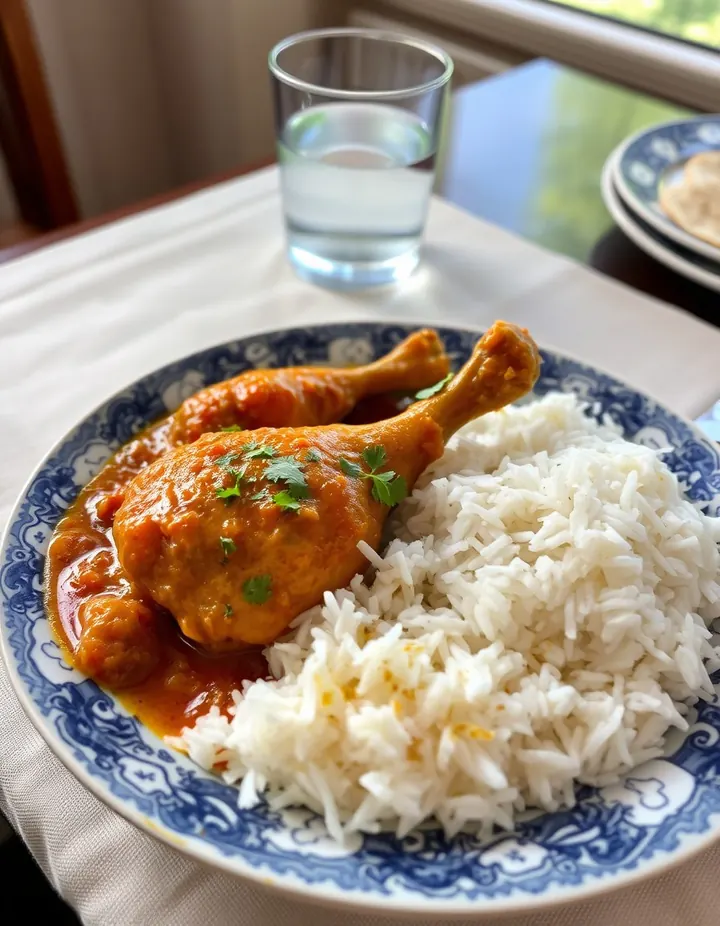 Illustration
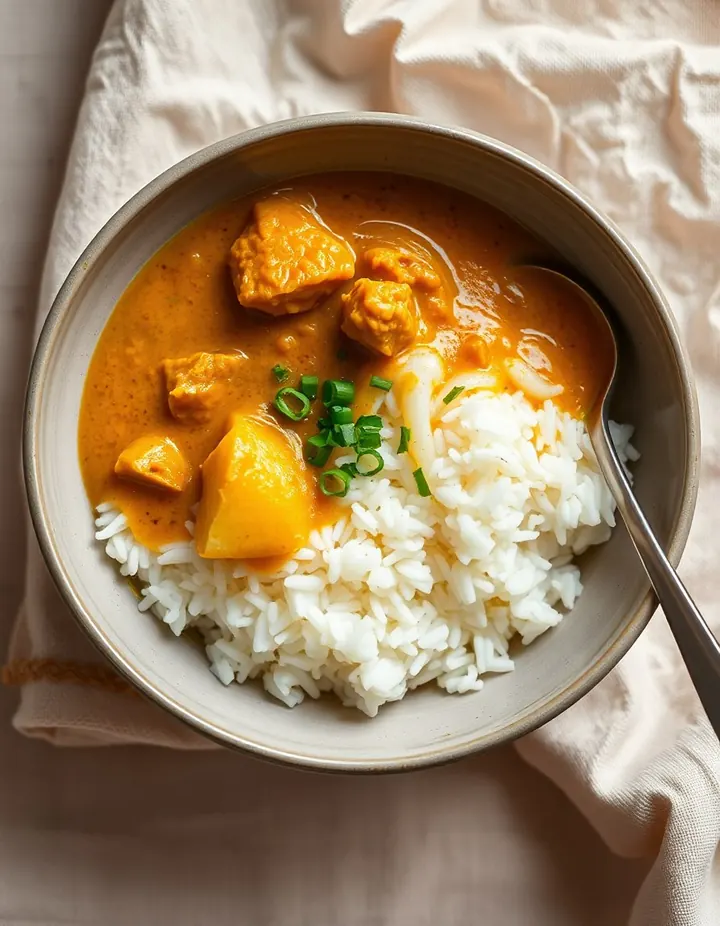 Illustration
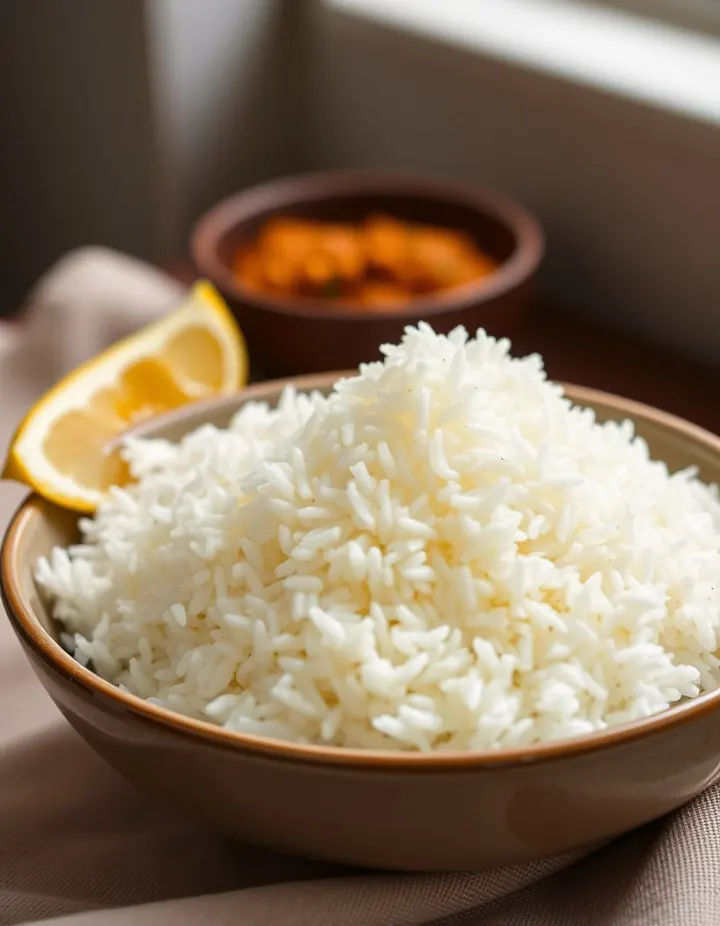 Illustration
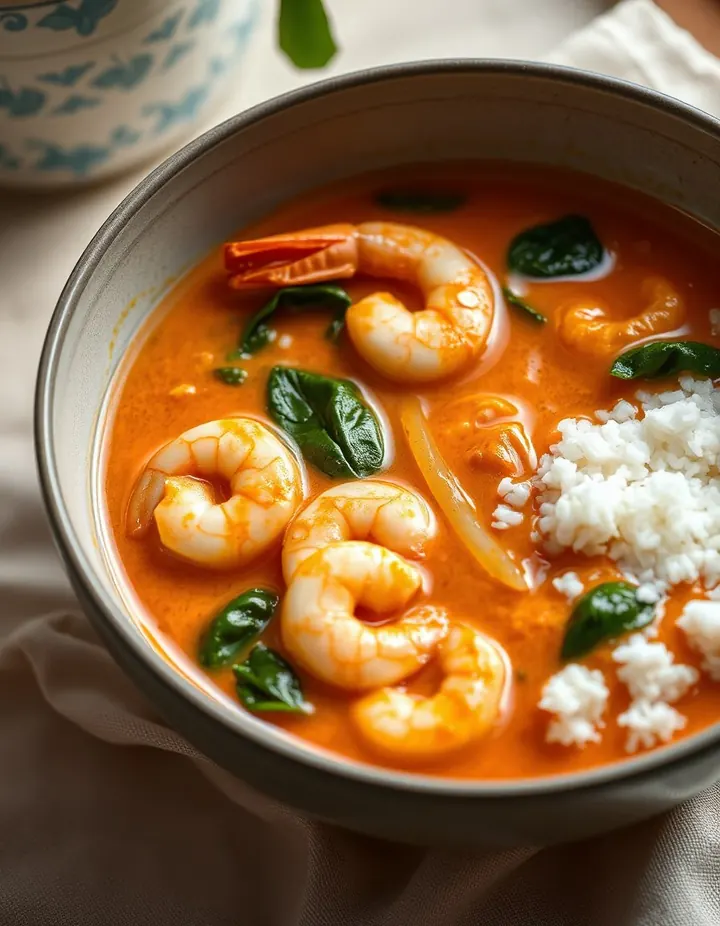 Illustration
The Sunday pairing: one pairing, the chemistry behind it, and how to cook it. No spam, unsubscribe anytime.
Prefer an account? Create a free account for sign-in; Pro adds the full results and chemistry.