Why it works: Banana and grape work together. They rank in the top 5% of all ingredient pairs, and cooks put them together in 496 recipes. Both carry 1-octen-3-one, which smells mushroom, metallic. The science ↓
Dried Fruit Sweet Red Wine
Ingredients
Directions
Prepare
Activate the yeast in a starter bottle.
Boil the sugar in 0.5 litre water until it is a syrup and leave it to cool. Store it in a stoppered container.
Wash, dry and chop the dried fruit. Place them in a fermentation bucket and pour 2.5 litres boiling water over them. Stir well, cover and leave for 24 hours, stirring twice more during this time.
Ferment
After 24 hours add the grape concentrate, the additives, 0.5 litres of the sugar syrup and the yeast culture. Cover it and leave for 4 days for fermentation to start, stirring at least once a day.
Strain the liquid from the pulp into a jar, fit an airlock, and put it in a warm place to ferment, shaking it daily. When the fermentation dies down, add more sugar syrup, about 140 ml, until either all the sugar is used or the fermentation ceases.
Mature
Leave to settle and rack when a sediment is formed. This wine will take a long time to mature and is best left in the jar than being bottled.
It is advisable to top up after racking with either grape concentrate or a fruit juice.
Nutrition, whole recipe (rough)
What these numbers assume: 5 portions
| Ingredient | Portion assumed | kcal |
|---|---|---|
| Flour | 1 cup (125g) all-purpose | 455 |
| Date | 1 date (24g) medjool | 66 |
| Grape | 1/2 cup (76g) | 62 |
| Red Grape | 1/2 cup (76g) | 62 |
| Sugar | 1 tbsp (12.5g) granulated | 49 |
One typical portion per ingredient; the recipe's quantities are not counted. A rough guide only, not for medical or dietary planning.
Steps grouped into stages for easier reading; the method is the source's own.
Explore the science
The flavor team
The pairs that carry this dish. Each one is judged two ways: how much their aromas overlap, and how often cooks already put them together.
-
Banana + grapetop 5% of all pairsSmell alikemoderateCooked together496 recipes
Shared aroma: 1-octen-3-one (mushroom, metallic).
-
Dates + bananatop 10% of all pairsSmell alikemoderateCooked together61 recipes
Shared aroma: acetic acid (sour, vinegar).
-
Raisin + datestop 12% of all pairsSmell alikemoderateCooked together358 recipes
Shared aroma: isobutyraldehyde (malty, green).
-
Dates + grapetop 13% of all pairsSmell alikemoderateCooked together108 recipes
Shared aroma: anethole (sweet, anise).
-
Raisin + sugartop 13% of all pairsSmell alikemoderateCooked together12,481 recipes
Shared aroma: beta-damascenone (apple, rose).
Ranks compare each pair with 20,000 random ingredient pairs on CompKitchen. How we score pairs
What each ingredient does
- Sultanas
- Provide sugars and body, softening into the wine's fruity base.
- Raisins
- Add concentrated sugar and fruit flavour to the must.
- Dried elderberries
- Contribute colour, tannin and fruity character to the red wine.
- Granulated white sugar
- Feeds the yeast, producing alcohol and carbon dioxide during fermentation.
- Red grape concentrate
- Supplies fermentable sugar and grape flavour for the red wine.
The step that matters
Adding sugar syrup in stages. Adding sugar gradually rather than all at once keeps the yeast from being overwhelmed by sugar, which can stall fermentation and leave the wine sweeter than intended.
Swap the raisin
How well each one fits the dish's main ingredients (dates, banana, grape, sugar):
- Figfits better
- Vanillafits better
- Applefits better
- Raisinthe original
Fit is the average pairing score against dates, banana, grape, sugar. Candidates are from the same food group and used in at least 100 recipes.
“What each ingredient does” and “The step that matters” were written by Claude from this recipe’s own method and reviewed in samples by CompKitchen.
You might also like
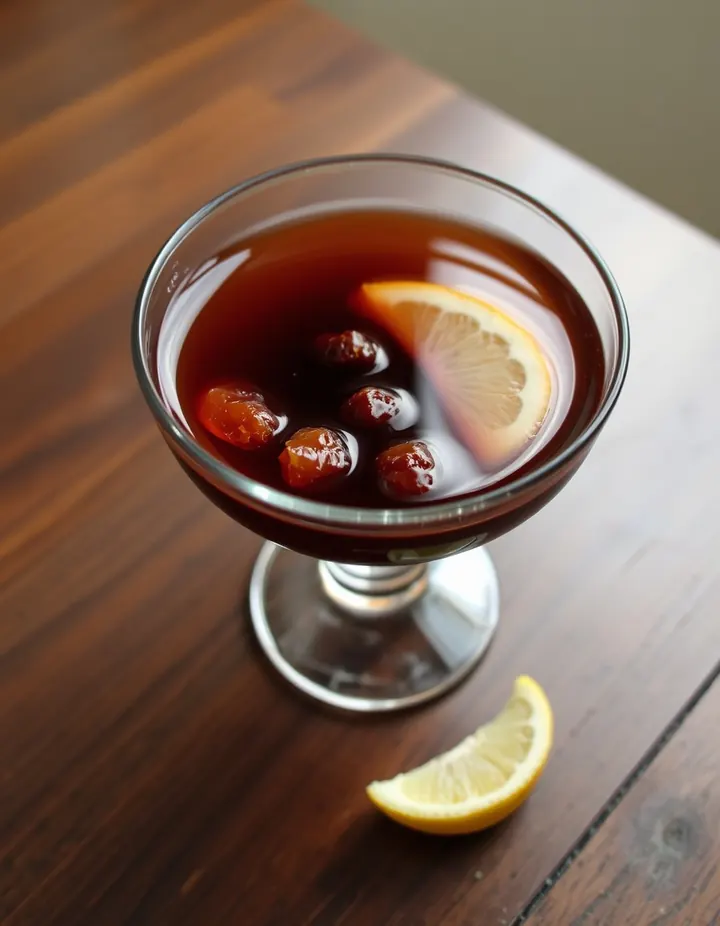 Raisin Wine64 recipes
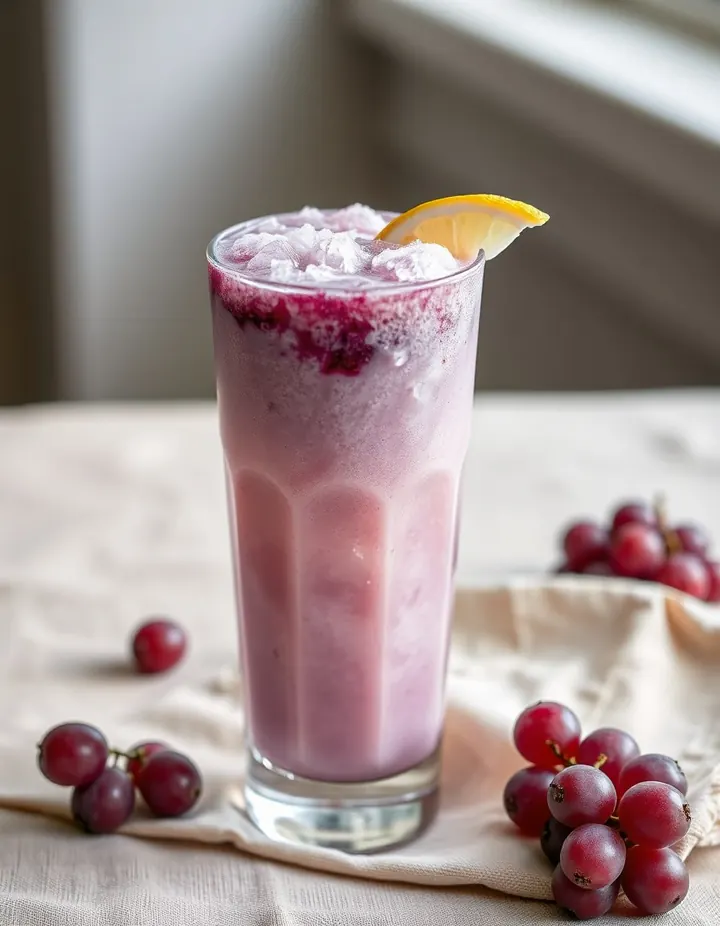 Grape Frappe10 recipes
 Vegetable Soup350 recipes
 Raspberry Vinegar214 recipes
The free Flavor Lab newsletter: one surprising pairing a week and the molecular reason it works, in 60 seconds. No spam, unsubscribe anytime.
Prefer an account? Create a free account to save pairings and unlock the full chemistry.