Why it works: Grape and wine work together. They rank in the top 9% of all ingredient pairs, and cooks put them together in 819 recipes. Both carry 1-p-menthene-8-thiol, which smells grapefruit. The science ↓
Mint and Tea Wine
Ingredients
Directions
Prepare the must
Wash and chop the dried fruit and place it into a fermentation vessel (or the grape concentrate) together with the sugar.
Wash and bruise the mint leaves and add them to the vessel, leaving out the stalks.
Prepare 2.4 liters of hot tea and strain it into the vessel. Stir well with a wooden or plastic spoon to dissolve the sugar.
When cool (21 °C or 70 °F), add the citric acid, pectic enzyme, yeast nutrient, and the activated yeast.
Ferment and bottle
Cover the vessel and leave to ferment for five days.
After five days, strain everything into a glass fermentation jar.
If necessary, top it up with more must obtained by washing the pulp with weak, lukewarm tea.
Fit a bung and airlock and leave to ferment to completion.
When fermentation is complete, rack from the lees and bottle the wine when it is mature and ready.
Nutrition, whole recipe (rough)
Counts 5 of 8 ingredients. The other 3 aren't in our nutrition table and add nothing above, so the real totals are higher.
What these numbers assume: 5 portions
| Ingredient | Portion assumed | kcal |
|---|---|---|
| Flour | 1 cup (125g) all-purpose | 455 |
| Grape | 1/2 cup (76g) | 62 |
| Sugar | 1 tbsp (12.5g) granulated | 49 |
| Wine | 2 tbsp cooking wine (30ml) | 25 |
| Mint | 2 tbsp fresh (3g) | 2 |
| Peppermint | not in our table | 0 |
| Tea | not in our table | 0 |
| Fruit | not in our table | 0 |
One typical portion per ingredient; the recipe's quantities are not counted. A rough guide only, not for medical or dietary planning.
Steps grouped into stages for easier reading; the method is the source's own.
Explore the science
The flavor team
The pairs that carry this dish. Each one is judged two ways: how much their aromas overlap, and how often cooks already put them together.
-
Grape + winetop 9% of all pairsSmell alikemoderateCooked together819 recipes
Shared aroma: 1-p-menthene-8-thiol (grapefruit).
-
Grape + sherrytop 9% of all pairsSmell alikemoderateCooked together229 recipes
Shared aroma: 2-isobutyl-3-methoxypyrazine (green bell pepper, earthy).
-
Mint + grapetop 15% of all pairsSmell alikemoderateCooked together262 recipes
Shared aroma: alpha-pinene (pine, turpentine).
-
Mint + winetop 16% of all pairsSmell alikelowCooked together442 recipes
Shared aroma: eucalyptol (eucalyptus, herbal).
-
Mint + sherrytop 19% of all pairsSmell alikelowCooked together83 recipes
Shared aroma: 1-octen-3-ol (mushroom, earthy).
Ranks compare each pair with 20,000 random ingredient pairs on CompKitchen. How we score pairs
What each ingredient does
- Mint leaves
- Provide the characteristic mint aroma and flavour that defines the wine.
- Sugar
- Feeds the yeast during fermentation and sets the sweetness and alcohol level.
- Dried fruit
- Supplies fruit flavour and body to the wine.
- Sherry-type wine yeast
- Converts the sugar into alcohol during fermentation.
- Citric acid
- Adds acidity that brightens the flavour and balances the sweetness.
The step that matters
Cool the tea before adding the yeast. Yeast is killed or stressed by very hot liquid, so the must must be cooled to about 21 °C before the activated yeast goes in. Adding it too early can stop fermentation from starting.
Swap the mint
How well each one fits the dish's main ingredients (grape, sugar, wine, sherry):
- Cinnamonfits better
- Thymefits better
- Clovefits better
- Mintthe original
Fit is the average pairing score against grape, sugar, wine, sherry. Candidates are from the same food group and used in at least 100 recipes.
“What each ingredient does” and “The step that matters” were written by Claude from this recipe’s own method and reviewed in samples by CompKitchen.
You might also like
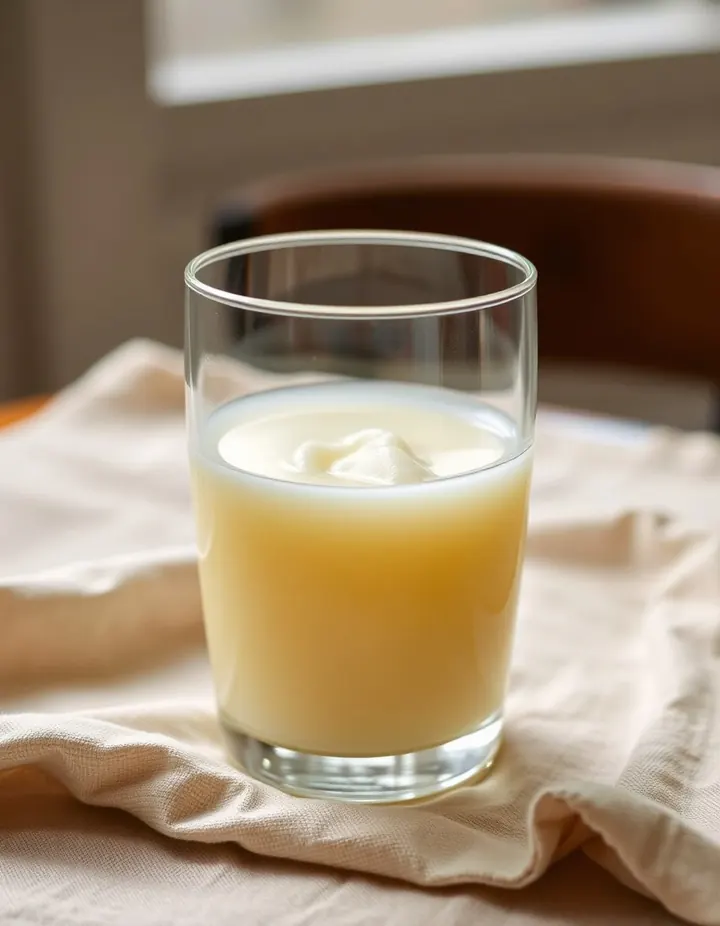 Wine Whey111 recipes
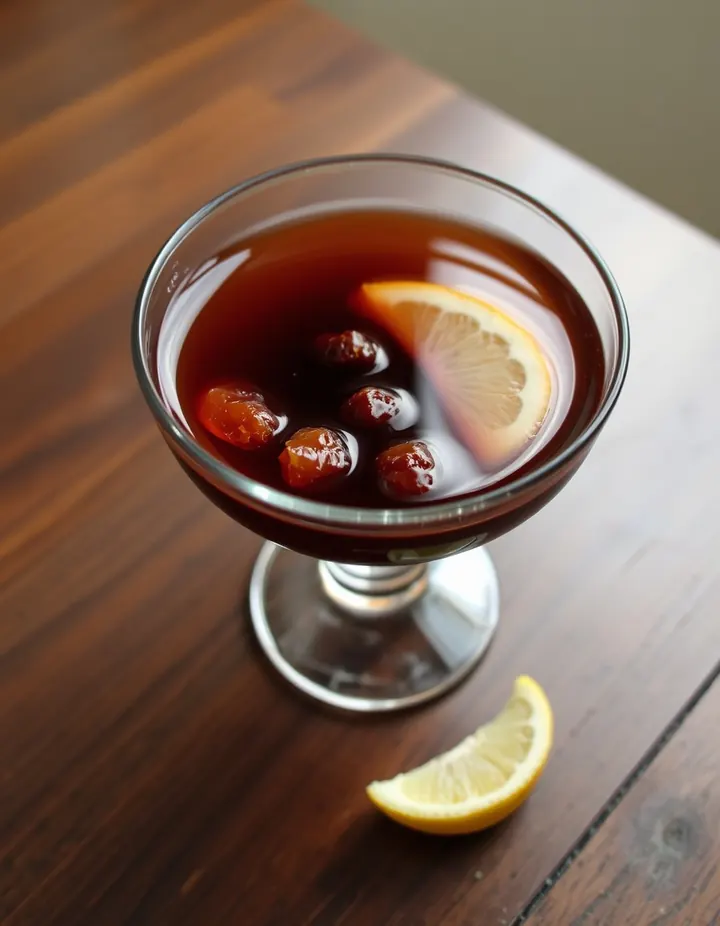 Raisin Wine64 recipes
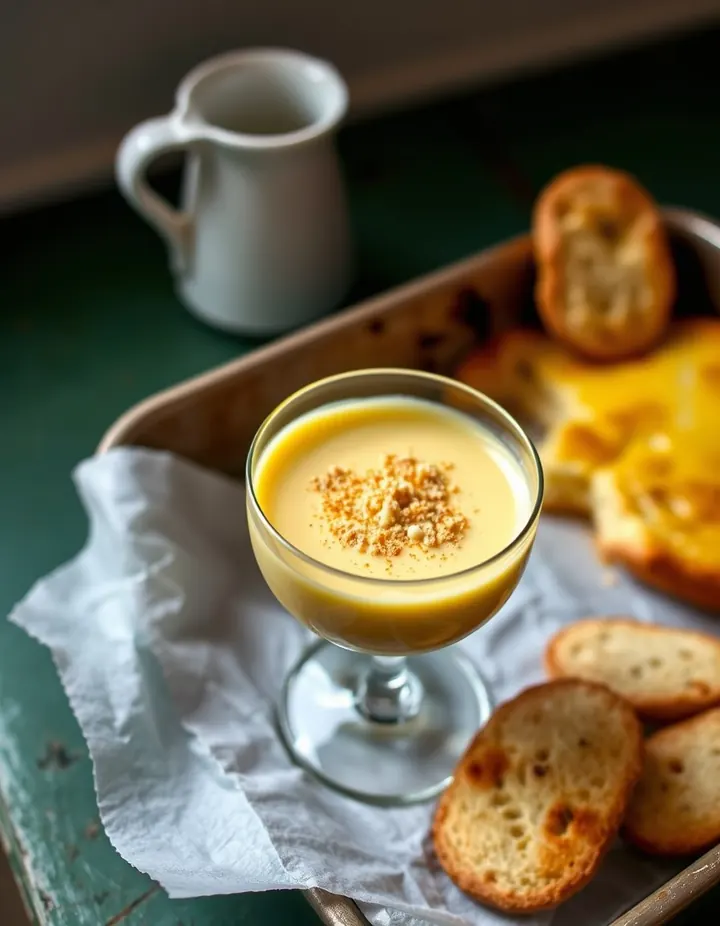 Egg Wine58 recipes
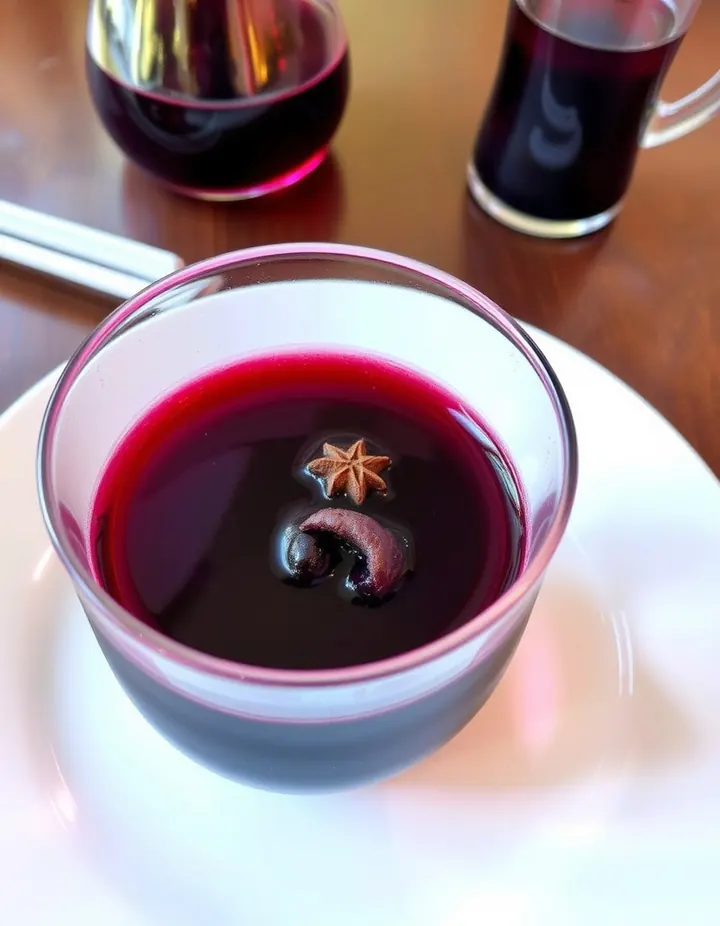 Elderberry Wine51 recipes
The free Flavor Lab newsletter: one surprising pairing a week and the molecular reason it works, in 60 seconds. No spam, unsubscribe anytime.
Prefer an account? Create a free account to save pairings and unlock the full chemistry.