Why it works: Butter and cheese are a kitchen classic. They rank in the top 8% of all ingredient pairs, and cooks put them together in 7,962 recipes. Both carry delta-dodecalactone, which smells sweet, creamy. The science ↓
Ensaymada I
Ingredients
Directions
Make the dough
Put lukewarm water in a bowl.
Add sugar and yeast.
Let stand for 10 minutes then add all-purpose flour and mix with a wooden spoon.
Cover with a towel and let rise in a warm place until double its bulk.
Add egg yolks, sugar and butter to flour mixture.
Add to this the 2 cups of flour and knead with lard.
Let rise again in warm place (about 3 hours) until double in bulk.
Shape and fill
Divide into 6 to 12 portions.
Roll each portion to 1/4 inch thick on a greased board.
Spread with butter and sprinkle with grated cheese.
Roll up, starting from one end and twisting like a knot.
Place each roll into an ensaymada mould lined with wax paper and greased with lard.
Keep in a warm place until each roll doubles its bulk (about 4 hours).
Bake and finish
Bake at 350 for 10 minutes or until light brown.
Brush with butter and sprinkle with grated cheese and sugar.
Nutrition, whole recipe (rough)
Counts 6 of 7 ingredients. The other 1 aren't in our nutrition table and add nothing above, so the real totals are higher.
What these numbers assume: 6 portions
| Ingredient | Portion assumed | kcal |
|---|---|---|
| Flour | 1 cup (125g) all-purpose | 455 |
| Lard | 1 tbsp (12.8g) | 115 |
| Cheese | 1 oz (28g) cheddar | 113 |
| Butter | 1 tbsp (14g) | 102 |
| Egg | 1 large egg (50g) | 78 |
| Sugar | 1 tbsp (12.5g) granulated | 49 |
| Water | not in our table | 0 |
One typical portion per ingredient; the recipe's quantities are not counted. A rough guide only, not for medical or dietary planning.
Steps grouped into stages for easier reading; the method is the source's own.
Explore the science
The flavor team
The pairs that carry this dish. Each one is judged two ways: how much their aromas overlap, and how often cooks already put them together.
-
Butter + cheesetop 8% of all pairsSmell alikemoderateCooked together7,962 recipes
Shared aroma: delta-dodecalactone (sweet, creamy).
-
Flour + buttertop 12% of all pairsSmell alikelowCooked together124,287 recipes
Shared aroma: isobutyraldehyde (malty, green).
-
Sugar + flourtop 15% of all pairsSmell alikemoderateCooked together92,116 recipes
Shared aroma: phenylacetaldehyde (hawthorne, honey).
-
Flour + eggtop 15% of all pairsSmell alikelowCooked together106,462 recipes
Shared aroma: isobutyraldehyde (malty, green).
-
Egg + buttertop 17% of all pairsSmell alikemoderateCooked together118,967 recipes
Shared aroma: decanal (soap, orange peel).
Flour and butter barely smell alike, yet cooks put them together in 124,287 recipes: they work on texture and structure more than aroma.
Ranks compare each pair with 20,000 random ingredient pairs on CompKitchen. How we score pairs
What each ingredient does
- All-purpose flour
- Forms the gluten network that gives the dough its structure and chew.
- Egg yolks
- Add richness, tenderness and colour to the soft dough.
- Butter
- Adds fat for a tender crumb and flavour, and browns the top.
- Yeast
- Produces gas as it ferments, making the dough rise and become airy.
- Queso de bola cheese
- Adds a salty, savoury flavour contrast to the sweet bread.
- Lard
- Adds fat that keeps the dough soft and helps it knead smoothly.
The step that matters
Let each roll double in a warm place. Under-proofing leaves the rolls dense, while over-proofing makes them collapse and bake up coarse. Yeast activity depends on warmth, so the rolls need time to reach full volume before baking.
“What each ingredient does” and “The step that matters” were written by Claude from this recipe’s own method and reviewed in samples by CompKitchen.
You might also like
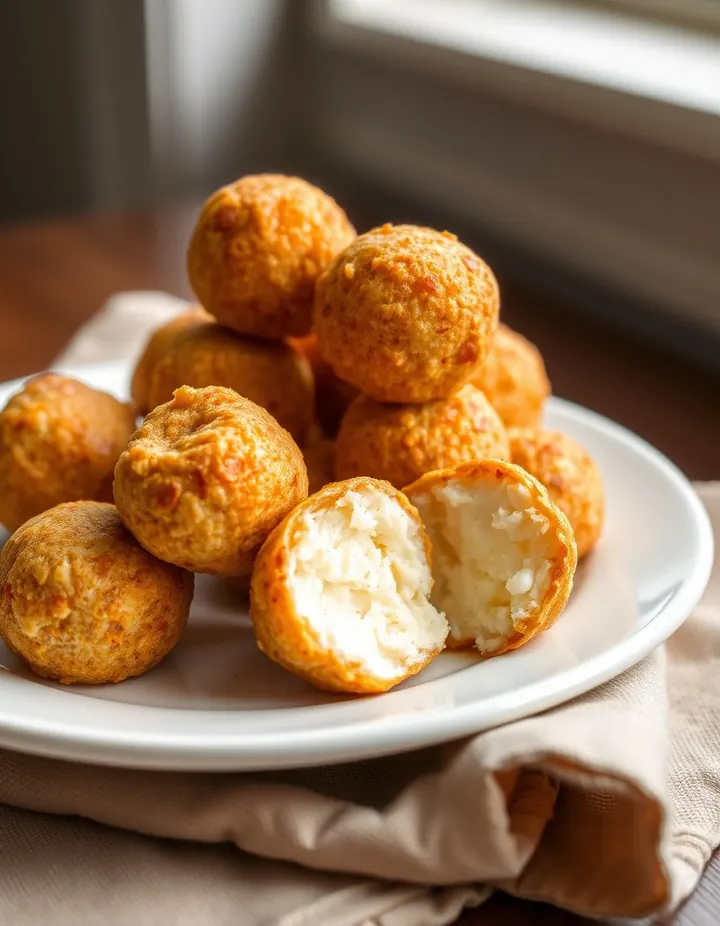 Cheese Balls97 recipes
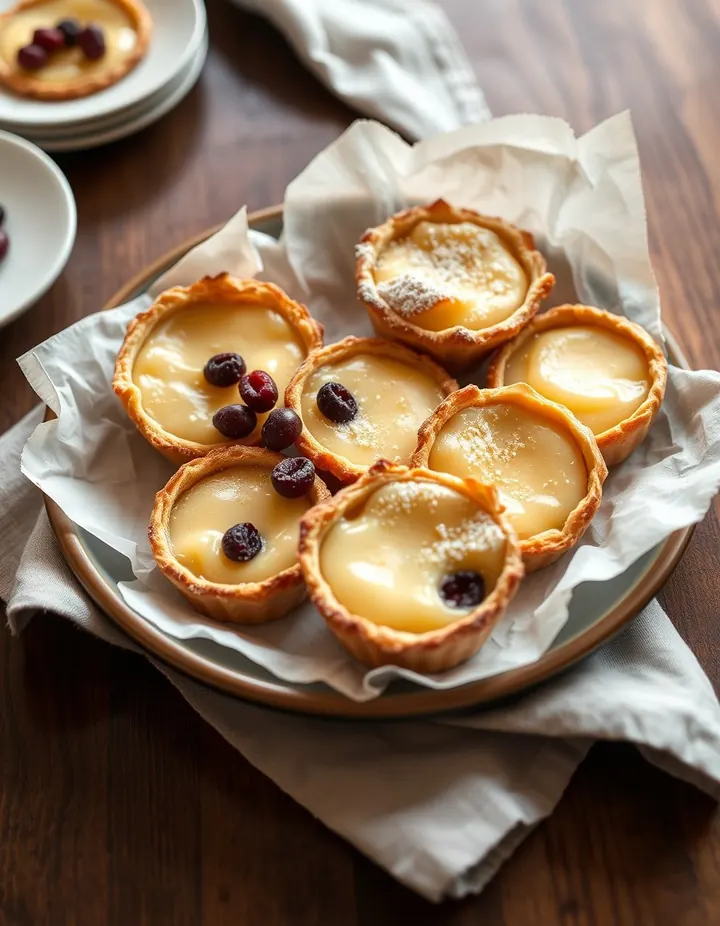 Cheese Cake55 recipes
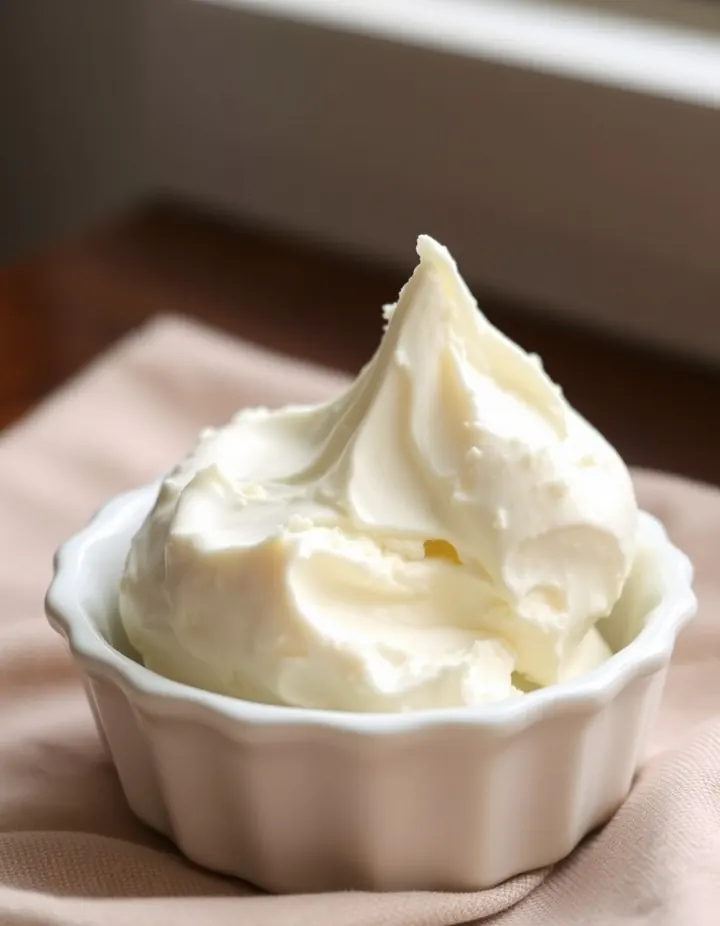 Cream Cheese46 recipes
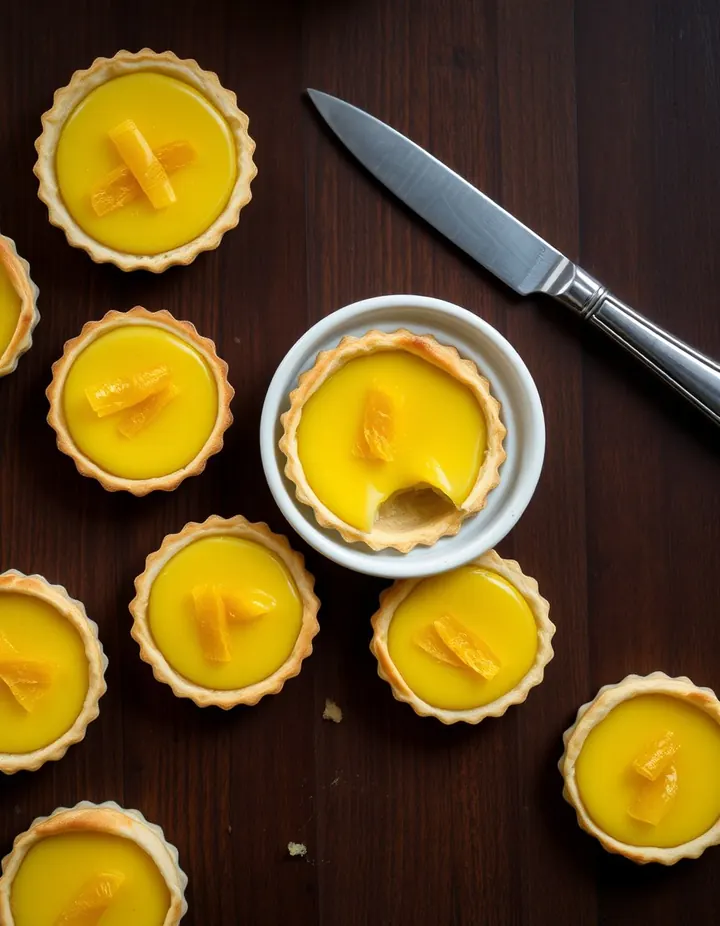 Lemon Pie37 recipes
The free Flavor Lab newsletter: one surprising pairing a week and the molecular reason it works, in 60 seconds. No spam, unsubscribe anytime.
Prefer an account? Create a free account to save pairings and unlock the full chemistry.