Why it works: Gin and lemon work together. They rank in the top 23% of all ingredient pairs, and cooks put them together in 306 recipes. Both carry alpha-pinene, which smells pine, turpentine. The science ↓
Gin and Tonic
Ingredients
Directions
Squeeze the wedge of lime (or lemon, lime is preferable) around the rim of the glass and drop it into the bottom.
Add plenty of ice, about 2/3 filling the glass.
Pour the gin first, then fill the glass to the top with tonic water.
Nutrition, whole recipe (rough)
Counts 2 of 4 ingredients. The other 2 aren't in our nutrition table and add nothing above, so the real totals are higher.
What these numbers assume: 2 portions
| Ingredient | Portion assumed | kcal |
|---|---|---|
| Lemon | juice of 1 lemon (48ml) | 12 |
| Lime | juice of 1 lime (44ml) | 11 |
| Water | not in our table | 0 |
| Gin | not in our table | 0 |
One typical portion per ingredient; the recipe's quantities are not counted. A rough guide only, not for medical or dietary planning.
Steps grouped into stages for easier reading; the method is the source's own.
Explore the science
The flavor team
The pairs that carry this dish. Each one is judged two ways: how much their aromas overlap, and how often cooks already put them together.
-
Gin + lemontop 23% of all pairsSmell alikelowCooked together306 recipes
Shared aroma: alpha-pinene (pine, turpentine).
Ranks compare each pair with 20,000 random ingredient pairs on CompKitchen. How we score pairs
What each ingredient does
- Gin
- Provides the spirit base and the main aromatic character of the drink.
- Tonic water
- Adds carbonation for lift and quinine bitterness that balances the sweetness of the mixer.
- Lime
- Adds acidity and citrus aroma from the peel and juice that brightens the drink.
The step that matters
Pour the tonic last and gently. Carbonation escapes quickly from tonic water once opened or agitated. Pouring it slowly down the side of the glass over ice keeps more fizz in the finished drink.
“What each ingredient does” and “The step that matters” were written by Claude from this recipe’s own method and reviewed in samples by CompKitchen.
You might also like
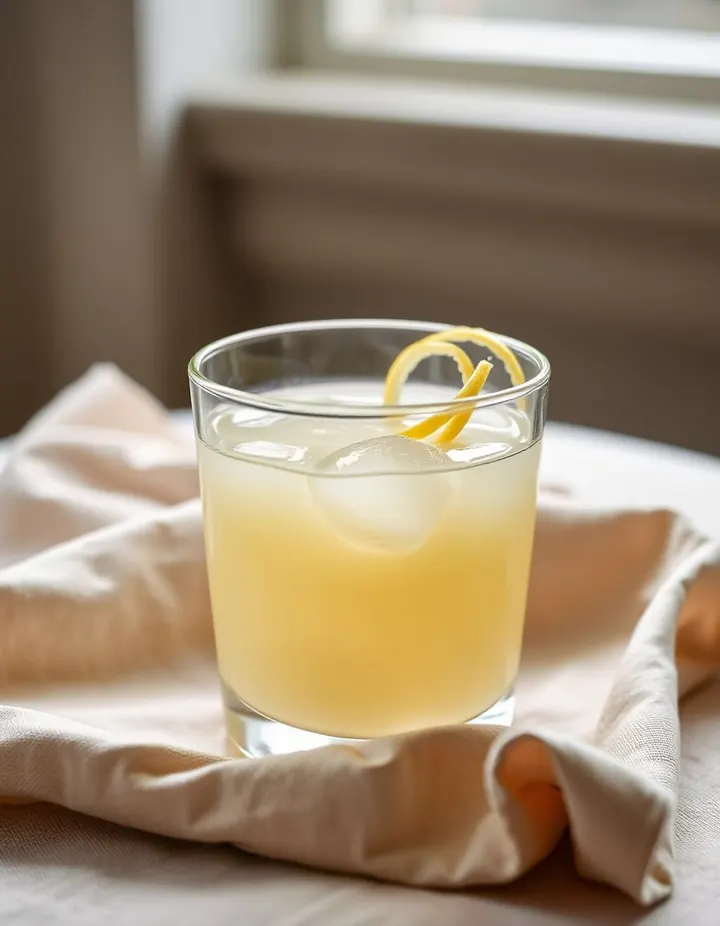 Lemon Whey33 recipes
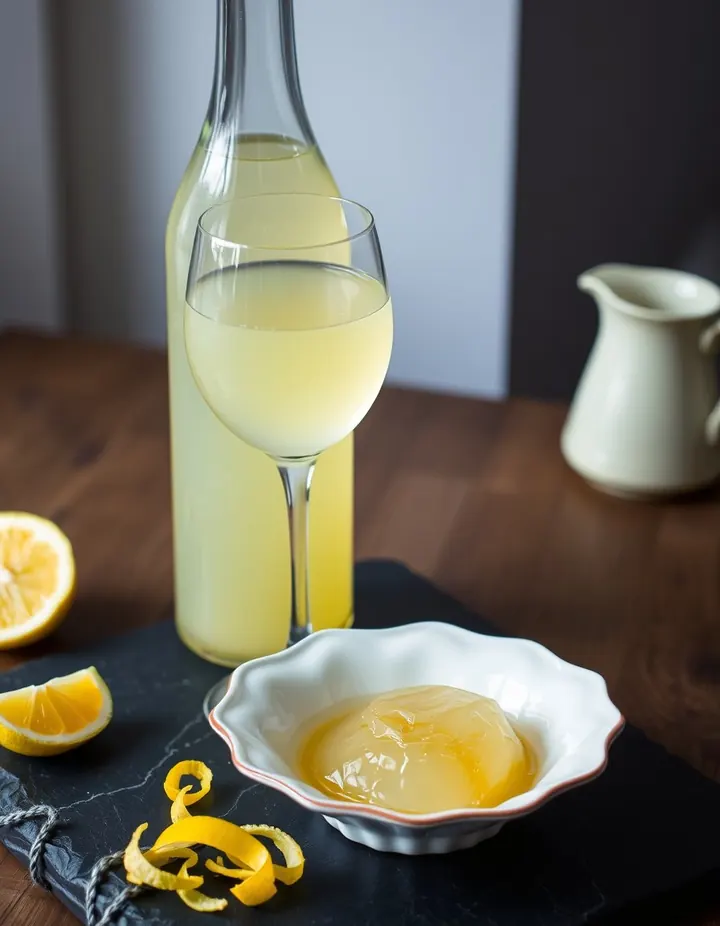 Lemon Wine31 recipes
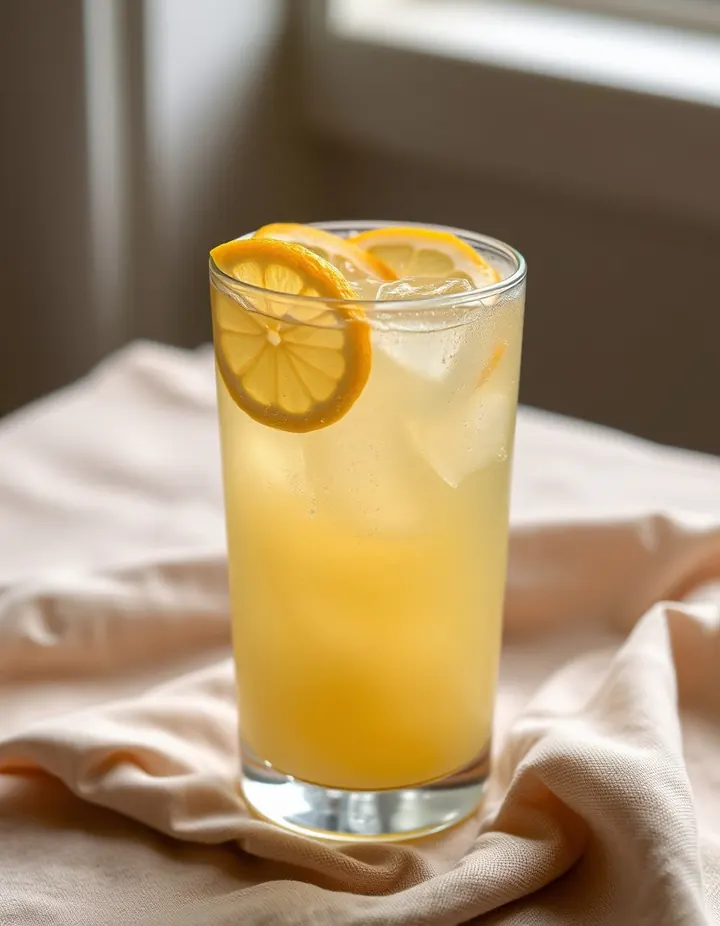 Lemon Squash10 recipes
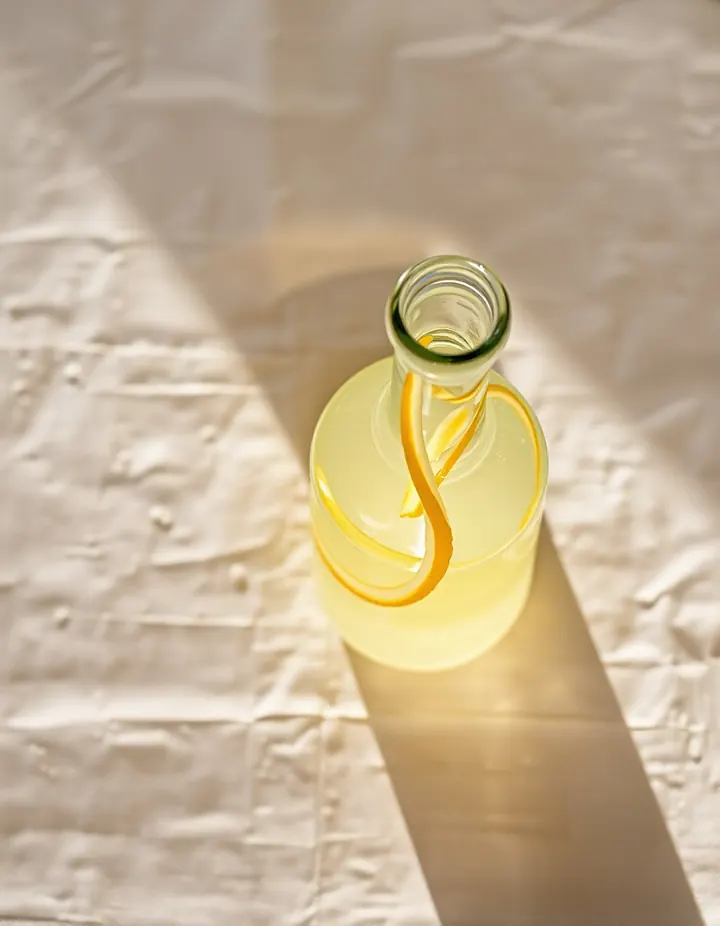 Lemon Essence8 recipes
The free Flavor Lab newsletter: one surprising pairing a week and the molecular reason it works, in 60 seconds. No spam, unsubscribe anytime.
Prefer an account? Create a free account to save pairings and unlock the full chemistry.