Why it works: Asparagus and mustard match in chemistry and in kitchens. They rank in the top 4% of all ingredient pairs, and 213 recipes mention both. Both carry 2-isopropyl-3-methoxypyrazine, which smells earthy, pea. The science ↓
The recipe
Ingredients
Directions
Prepare the vegetables
Steam the asparagus for about 5 minutes or until crisp-tender. Drain and rinse under cold water.
Toss together the asparagus, kidney beans, onion, and mint in a large mixing bowl.
Make and add the dressing
Place the oil, vinegar, mustard, onion, and garlic powders, salt and pepper, and parsley in an airtight container, cover tightly and shake until combined.
Pour dressing over the asparagus mixture then gently toss to coat.
Serve
Divide salad among salad plates and serve.
This recipe comes from the Recipes Wiki on Fandom and is licensed CC BY-SA 4.0. Our formatting and summaries are shared under the same licence.
Steps grouped into stages for easier reading; the method is the source's own.
Explore the science
The flavor team
The pairs that carry this dish. Each one is judged two ways: how much aroma chemistry they share, and how many recipes mention both.
-
Asparagus + mustardtop 4% of all pairsAroma overlapstrongMentioned together213 recipes
Shared aroma: 2-isopropyl-3-methoxypyrazine (earthy, pea).
-
Onion + garlictop 1% of all pairsAroma overlapstrongMentioned together29,030 recipes
Shared aroma: furaneol (caramel, strawberry).
-
Olive + garlictop 3% of all pairsAroma overlapmoderateMentioned together23,449 recipes
Shared aroma: linalool (floral, citrus).
-
Vinegar + mustardtop 4% of all pairsAroma overlaplowMentioned together14,067 recipes
Shared aroma: isobutyraldehyde (malty, green).
-
Onion + mustardtop 4% of all pairsAroma overlapstrongMentioned together9,243 recipes
Shared aroma: 2-isopropyl-3-methoxypyrazine (earthy, pea).
Vinegar and mustard share little aroma chemistry, yet 14,067 recipes mention both: they likely work on texture and structure more than aroma.
Ranks compare each pair with 20,000 random ingredient pairs on CompKitchen. How we score pairs
What each ingredient does
- Asparagus
- Forms the crisp-tender base of the salad, giving the main texture and bulk.
- Kidney beans
- Add firm, starchy body that makes the salad more filling and substantial.
- Olive oil
- Carries fat-soluble flavours and gives the dressing a smooth, coating body.
- Balsamic vinegar
- Supplies acidity that brightens the dressing and balances the oil.
- Dijon-style mustard
- Adds sharp flavour and helps the oil and vinegar stay combined as an emulsion.
The step that matters
Steam the asparagus until crisp-tender, then cool it. Overcooking turns asparagus soft and olive-drab, while stopping the cooking with cold water keeps it bright green and firm so it holds its texture when tossed with the dressing.
Flavor stand-ins for the kidney beans
How well each one fits the dish's main ingredients (asparagus, onion, mint, olive, vinegar, mustard, garlic):
- Sesamebetter flavor fit
- Beansbetter flavor fit
- Peasbetter flavor fit
- Kidney beansthe original
Fit is the average pairing score against asparagus, onion, mint, olive, vinegar, mustard, garlic. Candidates are from the same food group and used in at least 100 recipes. This compares flavor only: it does not check the job the ingredient does in the dish (bulk, moisture, acidity, structure).
“What each ingredient does” and “The step that matters” were written by Claude from this recipe’s own method and reviewed in samples by CompKitchen.
You might also like
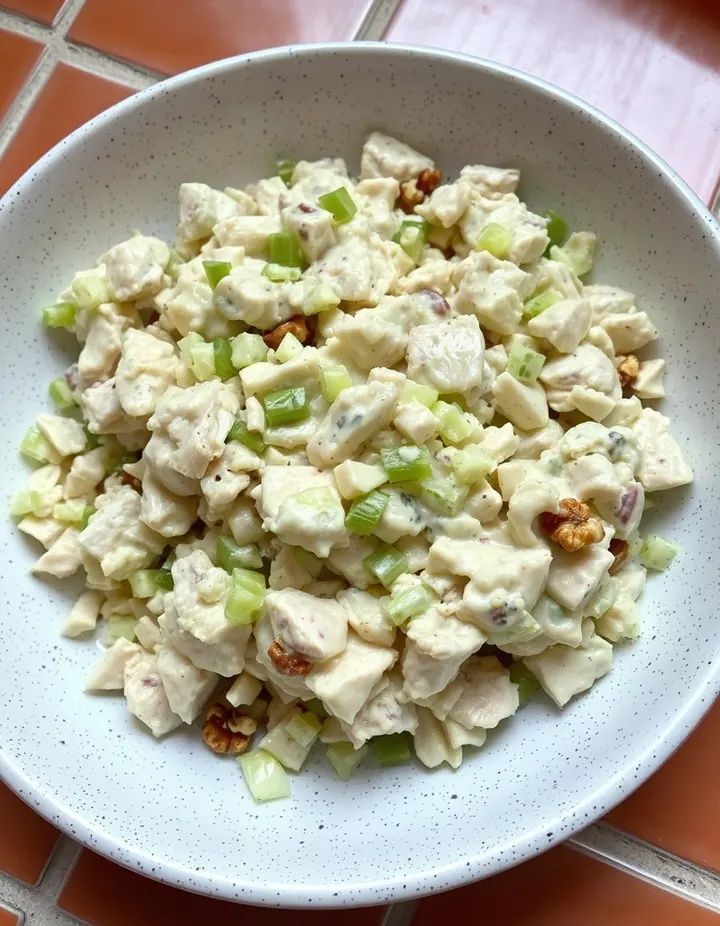 Illustration
 Illustration
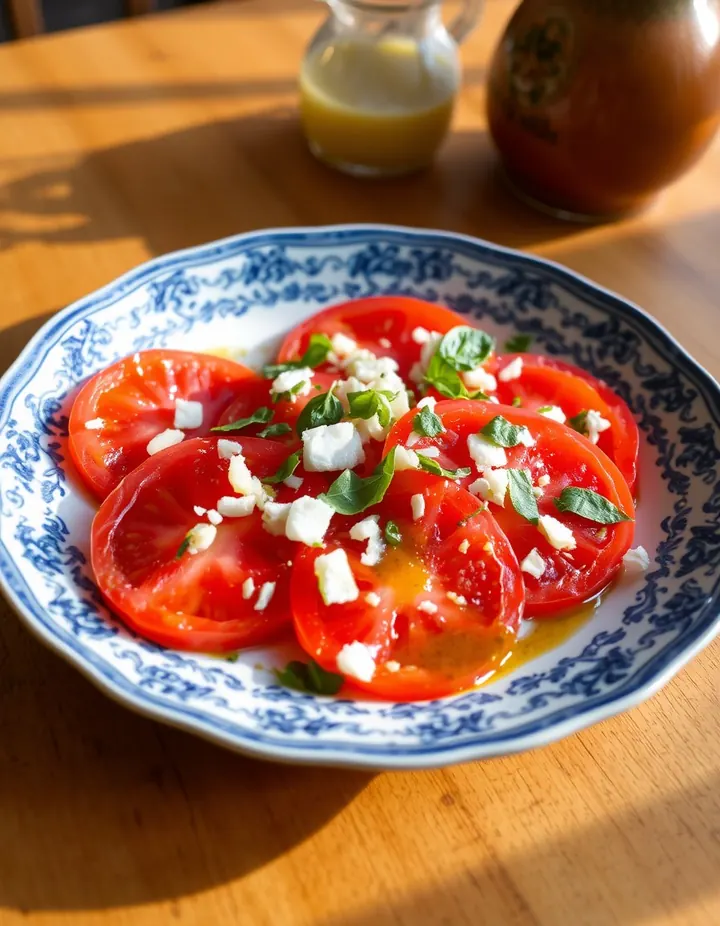 Illustration
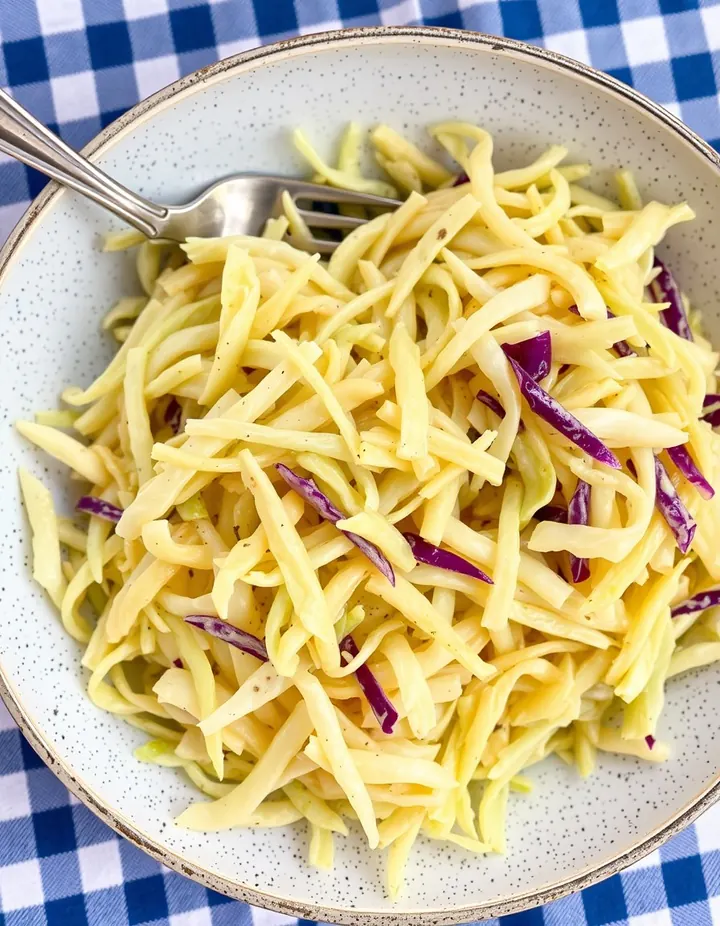 Illustration
The Sunday pairing: one pairing, the chemistry behind it, and how to cook it. No spam, unsubscribe anytime.
Prefer an account? Create a free account for sign-in; Pro adds the full results and chemistry.