Why it works: Mustard and capers match in chemistry and in kitchens. They rank in the top 1% of all ingredient pairs, and cooks put them together in 624 recipes. Both carry coumarin, which smells sweet, hay. The science ↓
Baked Shad Glazed with Dijon Mustard, Capers and Dill
Ingredients
Directions
Prepare and bake
Lightly season the shad fillet.
Place the fillet in a moderately hot non‑reactive skillet with a touch of butter.
Transfer the skillet to a 375‑degree oven.
Bake about 3 minutes until the shad is halfway done.
Glaze the shad lightly with Dijon mustard.
Squeeze lemon over the shad.
Add a splash of white wine, fish stock, or water (about 1 fl. oz).
Continue to bake 2–3 minutes until the shad is almost cooked.
Make the sauce and serve
Carefully remove the shad to a plate.
Swirl 1 tsp butter into the pan juices, then add capers and fresh dill.
Spoon the butter sauce over the shad.
Serve with your favorite green vegetable, such as broccoli or green beans, and mashed potatoes.
Nutrition, whole recipe (rough)
Counts 7 of 8 ingredients. The other 1 aren't in our nutrition table and add nothing above, so the real totals are higher.
What these numbers assume: 7 portions
| Ingredient | Portion assumed | kcal |
|---|---|---|
| Salmon | 100g cooked | 208 |
| Butter | 1 tbsp (14g) | 102 |
| Wine | 2 tbsp cooking wine (30ml) | 25 |
| Lemon | juice of 1 lemon (48ml) | 12 |
| Dill | 5 sprigs fresh (1g) / 1 tsp dried | 4 |
| Mustard | 1 tsp (5g) yellow | 3 |
| Capers | 1 tbsp (9g) drained | 2 |
| Water | not in our table | 0 |
One typical portion per ingredient; the recipe's quantities are not counted. A rough guide only, not for medical or dietary planning.
Steps grouped into stages for easier reading; the method is the source's own.
Explore the science
The flavor team
The pairs that carry this dish. Each one is judged two ways: how much their aromas overlap, and how often cooks already put them together.
-
Mustard + caperstop 1% of all pairsSmell alikestrongCooked together624 recipes
Shared aroma: coumarin (sweet, hay).
-
Lemon + dilltop 1% of all pairsSmell alikestrongCooked together976 recipes
Shared aroma: beta-phellandrene (minty, terpene).
-
Mustard + dilltop 2% of all pairsSmell alikestrongCooked together560 recipes
Shared aroma: 2-isopropyl-3-methoxypyrazine (earthy, pea).
-
Capers + dilltop 2% of all pairsSmell alikestrongCooked together117 recipes
Shared aroma: coumarin (sweet, hay).
-
Lemon + caperstop 5% of all pairsSmell alikestrongCooked together1,222 recipes
Shared aroma: coumarin (sweet, hay).
Ranks compare each pair with 20,000 random ingredient pairs on CompKitchen. How we score pairs
What each ingredient does
- Shad fillet
- Forms the flaky main body of the dish, cooked gently by oven heat.
- Butter
- Adds richness and carries flavor, and forms the base of the pan sauce.
- Dijon mustard
- Adds sharp tang and a light glaze that helps flavor the surface of the fish.
- Lemon
- Adds acidity that brightens the rich fish and butter sauce.
- Fish stock, white wine or water
- Adds moisture to the pan so the fish steams gently and does not dry out.
The step that matters
Removing the shad before it overcooks. Fish cooks quickly and keeps cooking from residual heat after leaving the oven. Pulling it when it is almost done, as the step says, keeps the flesh moist and tender instead of dry and tough.
“What each ingredient does” and “The step that matters” were written by Claude from this recipe’s own method and reviewed in samples by CompKitchen.
More baked shad recipes
You might also like
 Lemon Sauce236 recipes
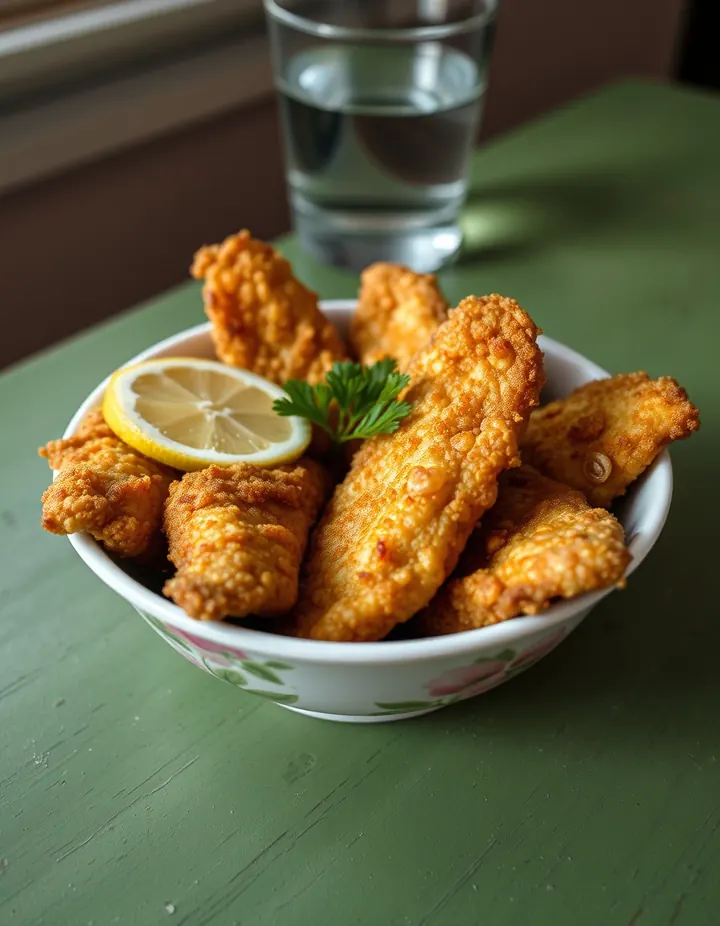 Fried Fish120 recipes
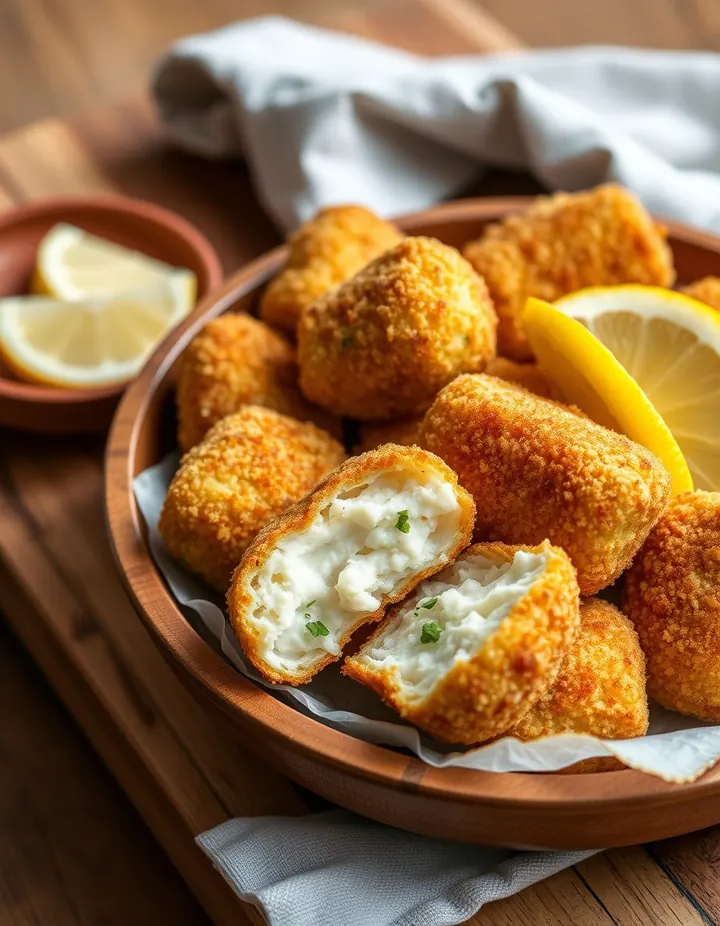 Fish Croquettes81 recipes
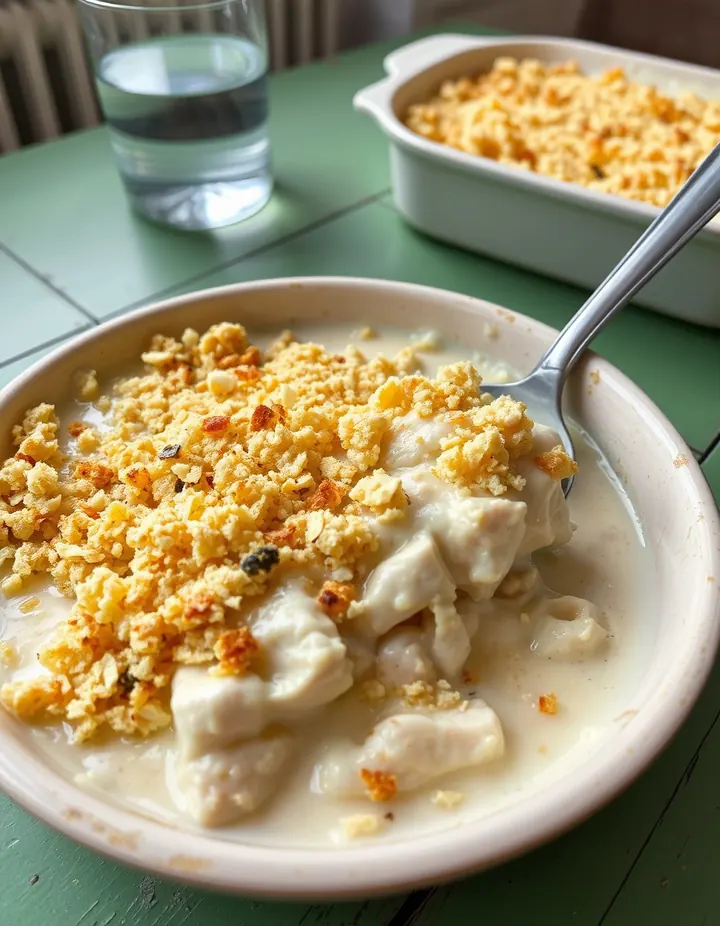 Scalloped Cod69 recipes
The free Flavor Lab newsletter: one surprising pairing a week and the molecular reason it works, in 60 seconds. No spam, unsubscribe anytime.
Prefer an account? Create a free account to save pairings and unlock the full chemistry.