Why it works: Basmati rice and carrot work together. They rank in the top 12% of all ingredient pairs, and 93 recipes mention both. Both carry 2-methoxy-4-vinylphenol, which smells clove, smoky. The science ↓
The recipe
Ingredients
Contains: milk (auto-detected from the ingredients and method; we can miss things, so check labels)
Directions
Prepare
Wash the rice in cool water, squeezing gently with your fingers, until the water runs clear.
Put the rice in 2 cups of cool water to soak for 20 minutes.
Strain the soak water into a saucepan and heat the saucepan.
Leave the rice to dry in a strainer.
Preheat the oven to 350°F (175°C).
While the rice is drying, chop the onion finely and set aside.
Dice the carrots and set aside.
Measure the spices.
Cook the pilaf
Heat the oil over medium-high flame in a heavy, oven-proof skillet or casserole dish.
Add the spices.
When the spices become fragrant, add the butter and onions.
Cook until the onions are tender and light golden brown.
Add the carrots and cook for 3–5 minutes.
Add the rice and cook, stirring very gently for 5 minutes.
Add salt.
Add the heated soak water.
Bring the mixture to a boil.
Reduce the heat.
Simmer until the water on top of the rice has boiled off.
Bake and serve
Cover tightly.
Cook for 20 minutes at 350°F (175°C).
Remove from the oven.
Let rest for 10 minutes.
Serve.
This recipe comes from the Recipes Wiki on Fandom and is licensed CC BY-SA 4.0. Our formatting and summaries are shared under the same licence.
Steps grouped into stages for easier reading; the method is the source's own.
Explore the science
The flavor team
The pairs that carry this dish. Each one is judged two ways: how much aroma chemistry they share, and how many recipes mention both.
-
Basmati rice + carrottop 12% of all pairsAroma overlaplowMentioned together93 recipes
Shared aroma: 2-methoxy-4-vinylphenol (clove, smoky).
-
Cinnamon + clovetop 1% of all pairsAroma overlapstrongMentioned together14,027 recipes
Shared aroma: ethyl cinnamate (sweet, balsamic).
-
Cinnamon + cumintop 2% of all pairsAroma overlapstrongMentioned together1,103 recipes
Shared aroma: 4-methoxybenzaldehyde (sweet, anise).
-
Carrot + cumintop 2% of all pairsAroma overlapstrongMentioned together776 recipes
Shared aroma: methyl cinnamate (strawberry).
-
Carrot + clovetop 3% of all pairsAroma overlapstrongMentioned together4,916 recipes
Shared aroma: cuminaldehyde (Spicy, cumin).
Ranks compare each pair with 20,000 random ingredient pairs on CompKitchen. How we score pairs
What each ingredient does
- Basmati rice
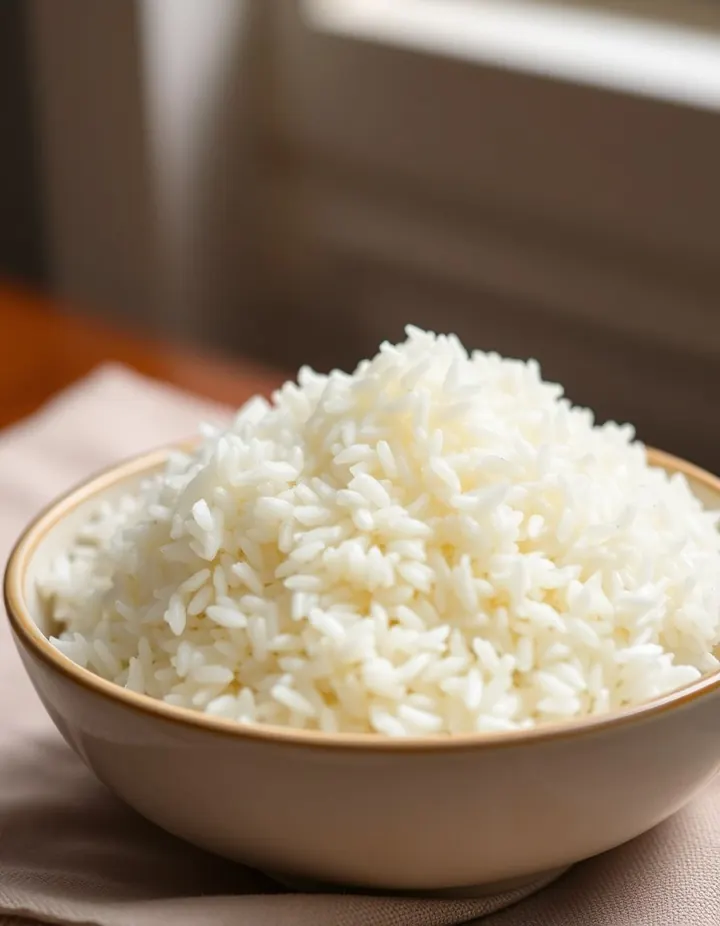
- Forms the bulk of the dish; its starch cooks into separate, fluffy grains.
- Butter
- Adds richness and flavour, and helps the onions brown.
- Onion
- Adds sweetness and savoury depth as it softens and browns.
- Carrots
- Add sweetness and colour, and soften during cooking.
- Cumin seeds
- Release aroma when bloomed in hot oil, flavouring the whole dish.
The step that matters
Stirring the rice gently in the fat. Rice grains are fragile; rough stirring breaks them and releases surface starch, which makes the pilaf gluey instead of fluffy and separate.
Flavor stand-ins for the onion
How well each one fits the dish's main ingredients (basmati rice, carrot, cinnamon, clove, cumin, butter):
- Capsicumbetter flavor fit
- Tomatobetter flavor fit
- Potatobetter flavor fit
- Onionthe original
Fit is the average pairing score against basmati rice, carrot, cinnamon, clove, cumin, butter. Candidates are from the same food group and used in at least 100 recipes. This compares flavor only: it does not check the job the ingredient does in the dish (bulk, moisture, acidity, structure).
“What each ingredient does” and “The step that matters” were written by Claude from this recipe’s own method and reviewed in samples by CompKitchen.
You might also like
 Illustration
 Illustration
 Illustration
 Illustration
The Sunday pairing: one pairing, the chemistry behind it, and how to cook it. No spam, unsubscribe anytime.
Prefer an account? Create a free account for sign-in; Pro adds the full results and chemistry.