Why it works: Shallot and chive match in chemistry and in kitchens. They rank in the top 1% of all ingredient pairs, and cooks put them together in 450 recipes. Both carry 1-octen-3-ol, which smells mushroom, earthy. The science ↓
Potted Shrimp
Ingredients
Directions
Cook the shrimp
In a large skillet cook shallots with bay leaf in 1 tablespoon butter over moderate heat, stirring, until soft.
Add shrimp and salt and pepper to taste and cook, stirring occasionally, until shrimp are pink and cooked through, about 3 minutes.
Add sherry and boil mixture until almost all liquid is evaporated.
Cool mixture and discard bay leaf.
Transfer shrimp with tongs to a cutting board, reserving shallot mixture, and chop fine.
Make the potted shrimp
In a bowl stir together remaining 5 tablespoons butter and cream cheese until smooth.
Stir in shrimp, shallot mixture, lemon juice, chives, and salt and pepper to taste and transfer to a 1½-cup crock.
Chill potted shrimp, covered, at least 4 hours and up to 24.
Serve
Serve potted shrimp with crackers or Melba toast.
Nutrition, whole recipe (rough)
What these numbers assume: 9 portions
| Ingredient | Portion assumed | kcal |
|---|---|---|
| Flour | 1 cup (125g) all-purpose | 455 |
| Butter | 1 tbsp (14g) | 102 |
| Shrimp | 100g cooked | 99 |
| Cream Cheese | 1 oz (28g) | 99 |
| Onion | 1 medium (110g) | 44 |
| Wine | 2 tbsp cooking wine (30ml) | 25 |
| Lemon | juice of 1 lemon (48ml) | 12 |
| Bay Leaf | 1 leaf (0.6g) | 2 |
| Chives | 1 tbsp (3g) | 1 |
One typical portion per ingredient; the recipe's quantities are not counted. A rough guide only, not for medical or dietary planning.
Steps grouped into stages for easier reading; the method is the source's own.
Explore the science
The flavor team
The pairs that carry this dish. Each one is judged two ways: how much their aromas overlap, and how often cooks already put them together.
-
Shallot + chivetop 1% of all pairsSmell alikestrongCooked together450 recipes
Shared aroma: 1-octen-3-ol (mushroom, earthy).
-
Shallot + lemontop 6% of all pairsSmell alikestrongCooked together2,523 recipes
Shared aroma: eucalyptol (eucalyptus, herbal).
-
Butter + cream cheesetop 8% of all pairsSmell alikemoderateCooked together2,747 recipes
Shared aroma: ethyl octanoate (fruity, wine).
-
Lemon + chivetop 10% of all pairsSmell alikestrongCooked together1,122 recipes
Shared aroma: decanal (soap, orange peel).
-
Shrimp + chivetop 11% of all pairsSmell alikemoderateCooked together282 recipes
Shared aroma: decanal (soap, orange peel).
Ranks compare each pair with 20,000 random ingredient pairs on CompKitchen. How we score pairs
What each ingredient does
- Shrimp
- Provides the main body and flavor of the spread once chopped fine.
- Unsalted butter
- Adds richness and a smooth, spreadable fat base for the mixture.
- Cream cheese
- Adds creaminess and body so the spread holds together when chilled.
- Shallots
- Add a mild aromatic onion flavor when cooked soft in butter.
- Medium-dry sherry
- Adds depth and a savory, slightly sweet note as its liquid cooks away.
The step that matters
Boil off the sherry until almost all liquid is evaporated. Leftover liquid would make the spread wet and loose, and it can dilute the butter and cream cheese base so it does not set up well when chilled.
Swap the lemon
How well each one fits the dish's main ingredients (shallot, butter, shrimp, sherry, cream cheese, chive):
- Avocadofits better
- Coconutfits about as well
- Lemonthe original
- Bananafits about as well
Fit is the average pairing score against shallot, butter, shrimp, sherry, cream cheese, chive. Candidates are from the same food group and used in at least 100 recipes.
“What each ingredient does” and “The step that matters” were written by Claude from this recipe’s own method and reviewed in samples by CompKitchen.
You might also like
 Lemon Sauce236 recipes
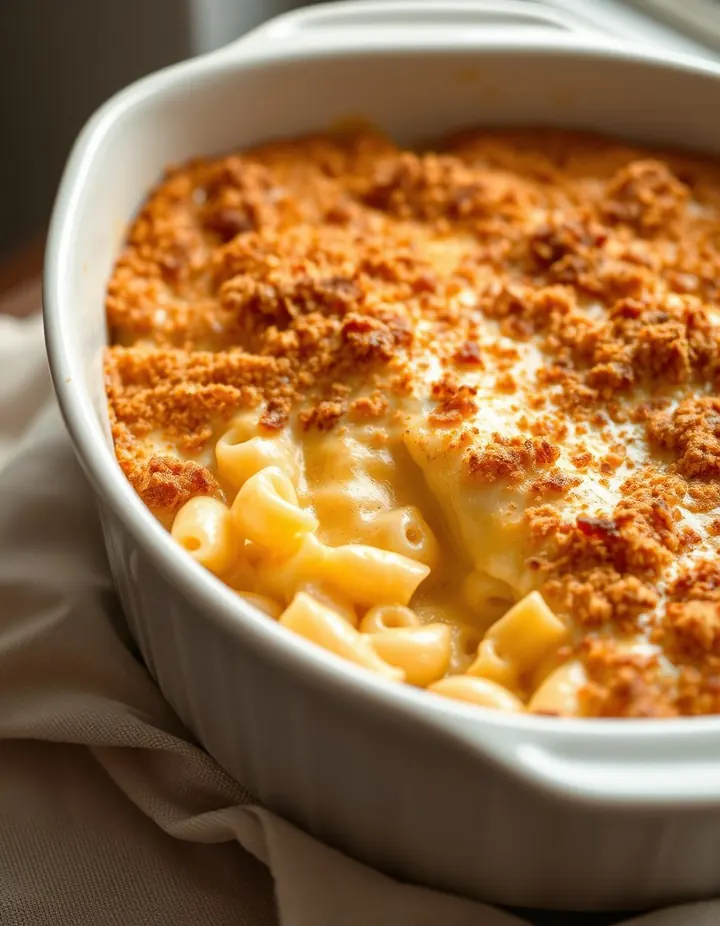 Macaroni and Cheese102 recipes
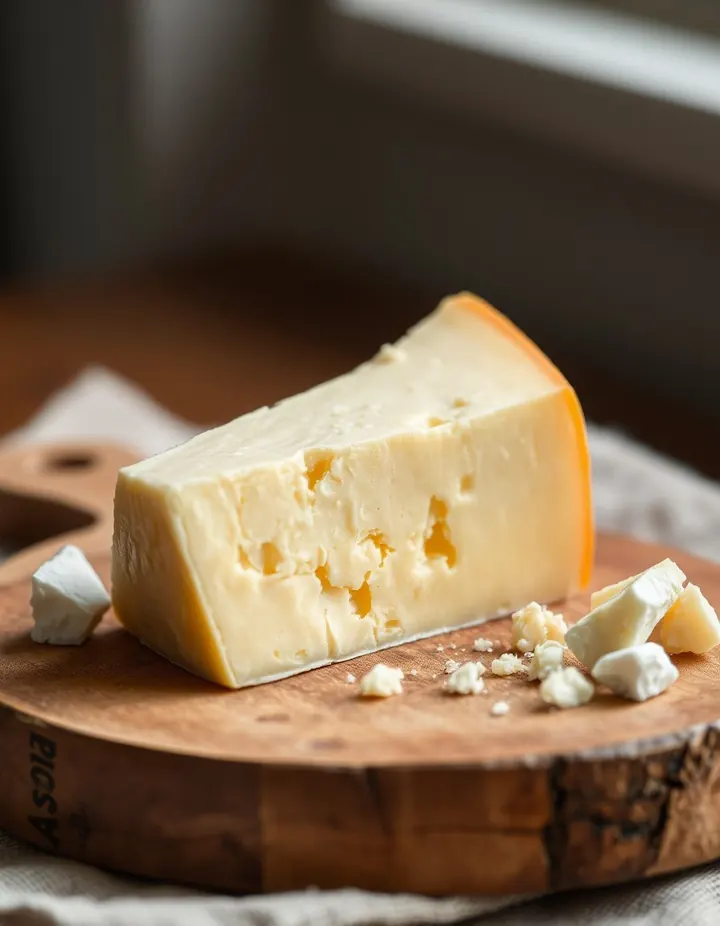 Cheese Making50 recipes
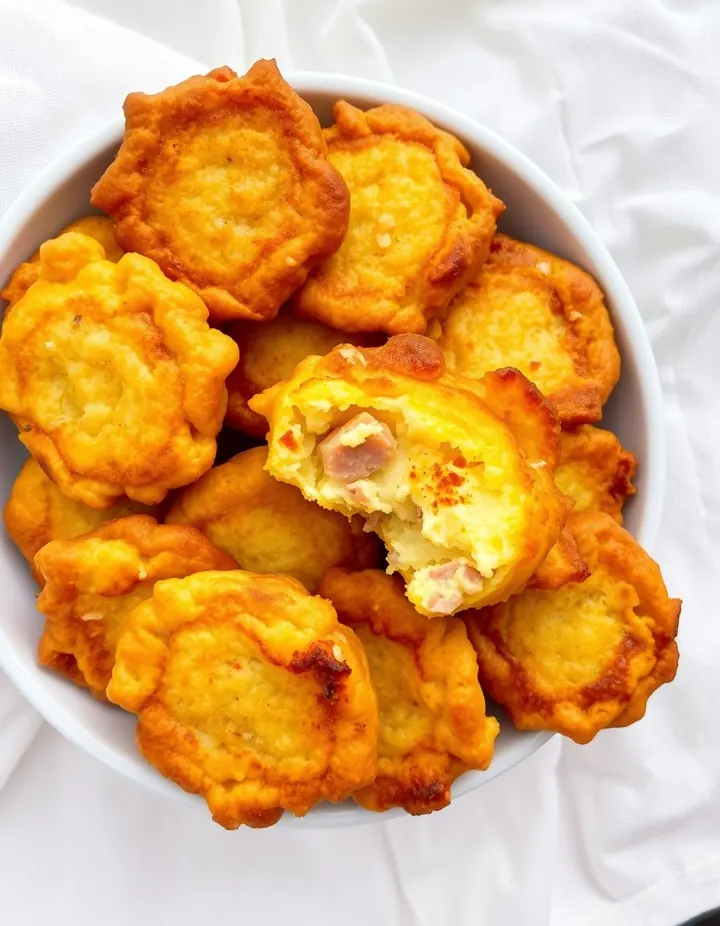 Cheese Fritters34 recipes
The free Flavor Lab newsletter: one surprising pairing a week and the molecular reason it works, in 60 seconds. No spam, unsubscribe anytime.
Prefer an account? Create a free account to save pairings and unlock the full chemistry.