Why it works: Pork and mustard are a kitchen classic. They rank in the top 5% of all ingredient pairs, and 2,440 recipes mention both. Both carry 2-isopropyl-3-methoxypyrazine, which smells earthy, pea. The science ↓
The recipe
Ingredients
Contains: milk, wheat, soy, fish (auto-detected from the ingredients and method; we can miss things, so check labels)
Also mentioned in the method: noodles
Directions
Prepare the pork
Cut tenderloin into eight pieces.
Place each piece between two pieces of plastic wrap or waxed paper and flatten to ½-inch thickness.
Sprinkle with lemon pepper.
Cook and serve
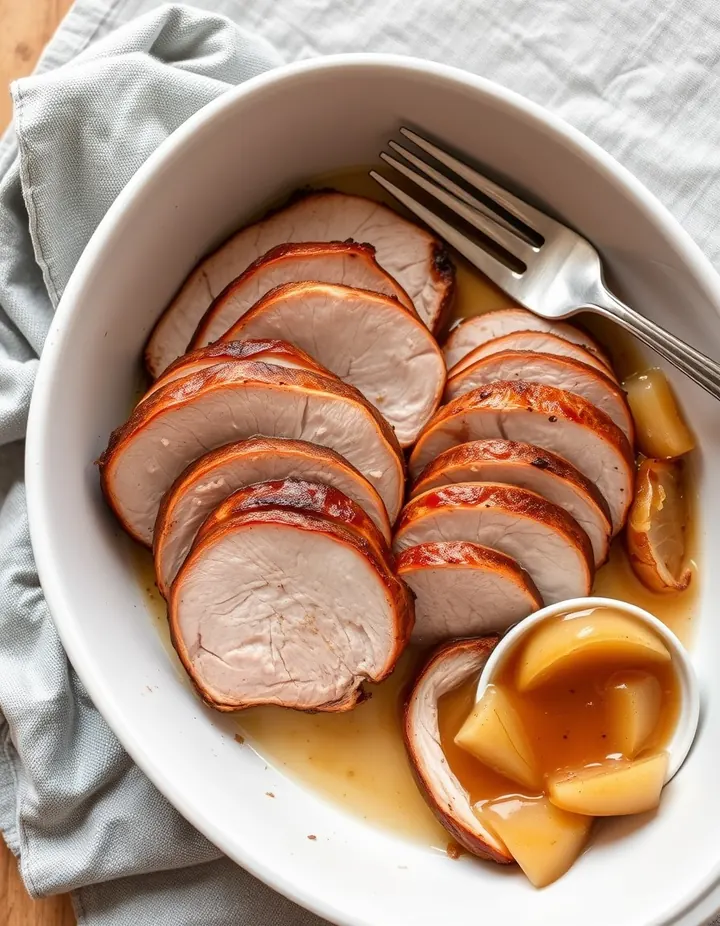
Melt butter in a large skillet over medium heat; cook pork for 3 to 4 minutes on each side or until no longer pink and juices run clear.
Remove to a serving platter and keep warm.
To the pan juices, add lemon juice, Worcestershire sauce and mustard; heat through, stirring occasionally.
Pour over the pork and sprinkle with parsley.
This is good served with noodles or rice.
This recipe comes from the Recipes Wiki on Fandom and is licensed CC BY-SA 4.0. Our formatting and summaries are shared under the same licence.
Steps grouped into stages for easier reading; the method is the source's own.
Explore the science
The flavor team
The pairs that carry this dish. Each one is judged two ways: how much aroma chemistry they share, and how many recipes mention both.
-
Pork + mustardtop 5% of all pairsAroma overlapmoderateMentioned together2,440 recipes
Shared aroma: 2-isopropyl-3-methoxypyrazine (earthy, pea).
-
Lemon + parsleytop 1% of all pairsAroma overlapstrongMentioned together14,036 recipes
Shared aroma: beta-phellandrene (minty, terpene).
-
Pepper + parsleytop 2% of all pairsAroma overlapstrongMentioned together34,118 recipes
Shared aroma: 4'-methylacetophenone (bitter almond).
-
Lemon + peppertop 2% of all pairsAroma overlapstrongMentioned together27,039 recipes
Shared aroma: 2-nonenal (fatty, green).
-
Pork + buttertop 6% of all pairsAroma overlapstrongMentioned together13,848 recipes
Shared aroma: 2-furfurylthiol (coffee, roasted).
Ranks compare each pair with 20,000 random ingredient pairs on CompKitchen. How we score pairs
What each ingredient does
- Pork tenderloin
- Forms the main body of the dish; flattening it thins the meat so it cooks quickly and evenly.
- Butter
- Adds richness and helps brown the surface of the pork in the skillet.
- Lemon juice
- Adds acidity that brightens the pan sauce and balances the richness of the butter.
- Dijon mustard
- Adds sharp flavor and helps emulsify the pan juices into a smoother sauce.
- Worcestershire sauce
- Adds savory, umami depth to the pan sauce.
The step that matters
Cook the pork until no longer pink. Thin pieces cook fast, so overcooking dries them out, while undercooking leaves pork unsafe. Checking that the juices run clear and the meat is no longer pink confirms it is done.
Flavor stand-ins for the mustard
How well each one fits the dish's main ingredients (pork, lemon, pepper, butter, sauce, parsley):
- Capsicumbetter flavor fit
- Potatobetter flavor fit
- Carrotbetter flavor fit
- Mustardthe original
Fit is the average pairing score against pork, lemon, pepper, butter, sauce, parsley. Candidates are from the same food group and used in at least 100 recipes. This compares flavor only: it does not check the job the ingredient does in the dish (bulk, moisture, acidity, structure).
“What each ingredient does” and “The step that matters” were written by Claude from this recipe’s own method and reviewed in samples by CompKitchen.
You might also like
 Illustration
 Illustration
 Illustration
 Illustration
The Sunday pairing: one pairing, the chemistry behind it, and how to cook it. No spam, unsubscribe anytime.
Prefer an account? Create a free account for sign-in; Pro adds the full results and chemistry.